
5 Cozy At-Home Date Ideas

Cozy At-Home Date Ideas

Affiliate Disclaimer:
This post may contain affiliate links. If you purchase through these links, I may earn a small commission at no extra cost to you. I only recommend services I genuinely trust and believe will make your life easier. Thanks for supporting my blog!

There was a point where I realised something slightly unhinged but very true: I was spending more time getting ready for dates than actually enjoying them. The outfit stress. The traffic. The loud restaurants where you’re basically shouting about your childhood trauma over overpriced mocktails. One night, I stayed in instead — candles lit, food simmering, phones on silent — and it hit me. Cozy At-Home Date Ideas aren’t the backup plan. They’re the main character.

If you’re craving connection without chaos, intention without pressure, and romance without outside noise, these Cozy At-Home Date Ideas might just change how you see date night forever. Especially if you’re in your soft-life era (or aggressively entering it).

This is Heart Flow territory — slower, warmer, more present.


1. The Cozy Cook-Together Night (a.k.a. foreplay but with garlic)

There’s something deeply intimate about cooking together. Not a full-blown MasterChef situation — just one comforting meal, shared prep, and soft music in the background. One person chops, the other stirs, and suddenly you’re laughing over who almost burnt the onions.

This is one of those cozy at-home date ideas that creates natural conversation without forcing it. You’re side by side, not across from each other, which weirdly makes emotional chats easier.

Soft tip: Choose a recipe you’ve never made before so you’re learning together. Team bonding, but make it cute.


2. A Living Room Cinema Night (but curated, not chaotic)

Forget scrolling Netflix for 45 minutes and settling for something mid. A proper at-home cinema night is intentional. Pick a theme: romantic classics, Studio Ghibli, early 2000s comfort films, or documentaries that spark conversation.

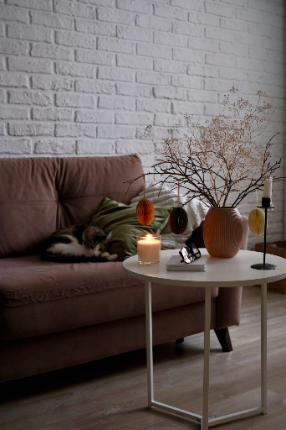
Layer blankets, dim the lights, light a candle, and suddenly your lounge feels like a private screening.

This is one of those cozy at-home date ideas that feels nostalgic and safe — especially if life’s been loud lately.

Soft tip: Put phones away. Yes, actually. The film hits different when you’re present.


3. Coffee, Desserts & Deep Chats Night

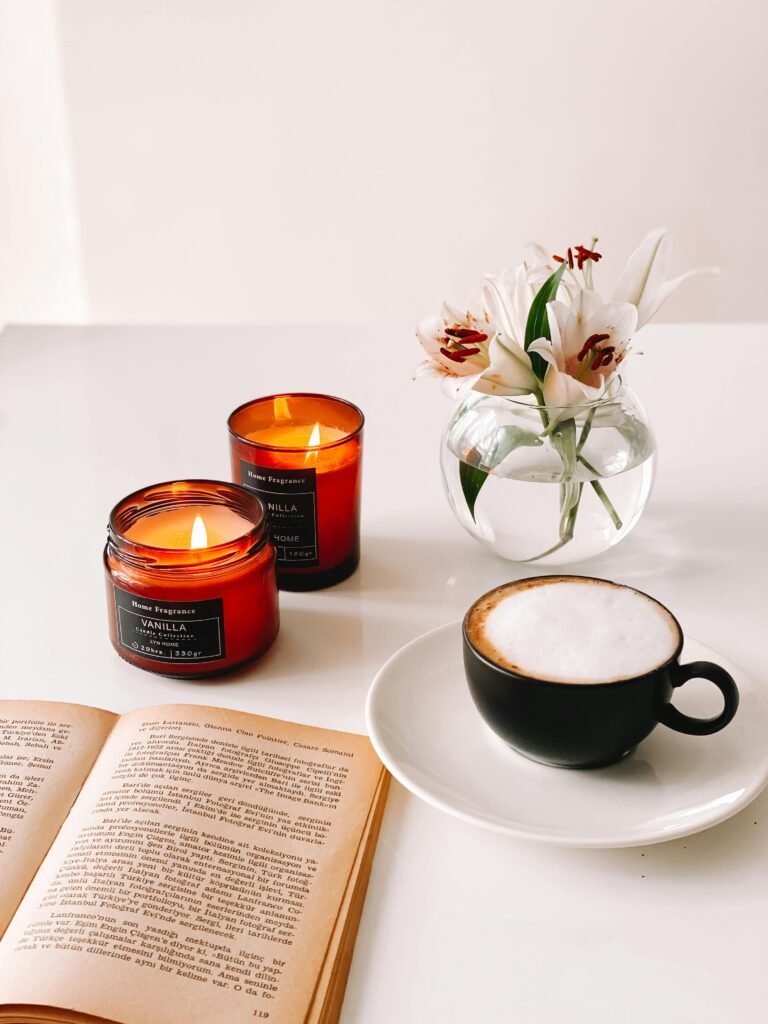
This one is criminally underrated. Instead of a full meal, make it about dessert and conversation. Brew good coffee or tea, plate something sweet (even store-bought counts), and sit somewhere cosy — couch, floor cushions, balcony, wherever feels intimate.

Use conversation prompts if you want depth without awkwardness. Questions about childhood memories, dreams, faith, or future hopes feel more natural when the setting is relaxed.

It’s one of the cozy at-home date ideas that builds emotional intimacy fast — without pressure.

Soft tip: Light instrumental or lo-fi music keeps the vibe warm without distracting.


4. Creative Night In (no talent required, promise)

Paint, journal, collage, vision-board, bake bread, write letters — the activity doesn’t matter. The point is creating something together, without needing to be good at it.

Creative dates invite playfulness. They lower walls. You see how someone expresses themselves when there’s no script.

Among all cozy at-home date ideas, this one is especially healing if you’re both tired, introverted, or coming out of busy seasons.

Soft tip: Don’t critique each other’s work. This is a judgment-free zone. Even stick figures deserve respect.


5. The Slow Sunday Reset Date

This isn’t about entertainment — it’s about presence. Cook breakfast together. Clean the space gently. Do a short devotional, gratitude list, or quiet reflection. Then rest. Nap. Read. Exist.

It’s a date that says, “I feel safe with you in stillness.” And honestly? That’s elite.

Their content focuses on slow living, intentional routines, and creating meaningful rituals at home.

Soft tip: Don’t over-plan. Let the day breathe.


Why Cozy At-Home Dates Just Hit Different

At-home dates remove performance. There’s no audience, no noise, no pressure to impress strangers. You’re choosing each other — intentionally.

And the truth? Cozy At-Home Date Ideas often reveal compatibility faster than fancy nights out. How you communicate, rest, laugh, and share space says more than any restaurant reservation ever could.

Especially if you’re someone who values peace, emotional safety, and soft love — staying in isn’t settling. It’s selecting.


Final Thoughts

If you’ve been feeling disconnected, overstimulated, or simply tired of dating that feels like a production, try one of these Cozy At-Home Date Ideas this week. Start small. Light a candle. Put the phones down. Let the moment be enough.

And if this resonated, read the rest of the blog for more soft-life, heart-led ways to romanticise your everyday.

Style Curly Hair Easily: How to Manage Your Curls Without Stress

Style Curly Hair Easily

Affiliate Disclaimer:
This post may contain affiliate links. If you purchase through these links, I may earn a small commission at no extra cost to you. I only recommend services I genuinely trust and believe will make your life easier. Thanks for supporting my blog!

I’ll be honest: there was a season of my life when my curls felt like… well, a mystery I hadn’t signed up for. I’d wake up, frizz‑freak a little, and wonder why salon curls on Instagram looked so effortless while mine were screaming “HELLO HUMIDITY”. But then I discovered a few soft‑flow routines that helped me style curly hair easily without the stress, without the hours, and with way more confidence.

If you’ve ever stared at your reflection, deep‑conditioning mask in hand, asking, “Is my hair plotting against me?” — I feel you. Let’s walk through a gentle, stylish approach to loving (and managing) your curls — with inspo you’ll actually want to try.


Why “Style Curly Hair Easily” Isn’t a Myth

Curly hair doesn’t need drama; it needs direction. When we talk about how to style curly hair easily, we’re really talking about getting to know your curl type, your favourite products, and a couple of go‑to routines that aren’t exhausting. Hair should feel like a soft flow, not a full production.

Think of your curls the way you’d think of your favourite latte: the right ingredients, a bit of patience, and a vibe that makes you feel like yourself. No stress. Just flow.


Start With the Right Cleanse: Low‑Foam, High Love

Curly hair thrives on moisture, and sulphate‑heavy shampoos can strip your strands faster than you can say “frizz”.

Tip: Try a low‑foam or co‑wash cleanser once or twice a week to preserve natural oils.

Why it Helps: Hydrated curls = happier curls. A gentle cleanse keeps your pattern defined, not dry.


Hydration Is Your Best Friend

If moisture were a person, curly hair would write it love letters. That’s why the style curly hair easily mantra starts with hydration.

Tip: Use a leave‑in conditioner on wet hair. Work it through with your fingers — think of it like giving your curls a little drink.

Why it Helps: Water + leave‑in = curls that stretch, bounce, and pulse with life all day.


Embrace the “Plop” (Yes, It’s a Thing)

So you’ve washed and conditioned — now what? Enter “plopping”: a method of wrapping your curls in a cotton tee to dry without frizz.

Tip: After applying products, lay a soft T‑shirt on a surface, flip your hair forward into it, and wrap. Leave it for 10–30 minutes.

Why it Helps: Reduces drying time and keeps curl shape intact — if you want a more defined look, plopping is a quick win.


Diffuse Like a Pro (But Chill)

Diffusing is basically blow‑drying with a gentle hug. It gives shape without heat damage if you’re light‑handed.

Tip: Use a diffuser on low heat and low speed. Cup curls at the ends and lift toward your scalp — ideally while lounging with a smoothie.

Why it Helps: Helps set curls, adds volume, and speeds drying — more time for coffee, less time staring in the mirror.


Satin & Silk: Not Just Pretty Words

Your pillowcase might be cute, but if it’s cotton, your curls are losing moisture overnight.

Tip: Sleep on satin or silk, or tie your hair with a silk scarf.

Why it Helps: Less friction = less frizz = more defined curls when you wake up.


The Mindset Shift: Your Curls Are Alive

Here’s the truth: curls are like people — they react to love, hydration, patience, and sometimes rebellion (cough: humidity). When you stop treating them like a stress‑inducing project and start treating them like something you’re in conversation with, the whole experience becomes lighter.

Learning how to style curly hair easily isn’t about perfection — it’s about finding a flow that suits your rhythm, your routine, and your vibe.


Final Thoughts: Curly Isn’t Complicated — It’s Curly

Curly hair doesn’t need complexity; it needs consistency. A few good products, a little knowledge of your texture, and a bunch of self‑acceptance (because let’s be real, confidence is the best accessory) are all you really need.

Try small changes one by one. Pin inspo from creators you love. Enjoy the process — curls are great storytellers of your personality and flair.


Try This Today: Pick one tip above — maybe plopping or a satin pillowcase — and make it your tiny curl win for the week. Then come back and tell me how it changed your vibe.

Want more flow inspo? Read the rest of the blog for beauty, lifestyle, and wellness tips that make life feel like soft magic.

Warm vs Cool Colours: What Works Best in Each Room of Your Home

Warm vs Cool Colours

If you’ve ever stood in a paint aisle holding five nearly identical beige swatches and thought, why is this so stressful? — welcome to the club. Choosing colours sounds fun and aesthetic until your living room suddenly feels like a waiting area at a dentist’s office. This is exactly where Warm vs Cool Colours come in. Understanding the difference (and how to use them properly) can completely change how your home feels, not just how it looks.

In this Home Flow guide, we’re breaking down Warm vs Cool Colours room by room — softly, stylishly, and without turning this into an Interior Design degree. Think curated inspiration, gentle guidance, and a few “ohhh that makes sense” moments.


What Are Warm vs Cool Colours? (A Quick, No-Fluff Breakdown)

Let’s keep this cute and simple.

Warm colours include shades with red, orange, or yellow undertones — think terracotta, beige, warm whites, caramel browns, blush, and soft olive. They feel cosy, inviting, and lived-in.

Cool colours lean towards blue, green, and purple undertones — like sage, grey, icy whites, navy, and soft blues. These feel calm, airy, and refreshing.

The magic of Colours isn’t about picking one forever. It’s about knowing where each works best.

Warm Colors

Living Room: Warm vs Cool Colours for Everyday Comfort

Your living room is where life actually happens — naps, guests, deep chats, and doom-scrolling.

Warm tones work best here because they instantly feel welcoming. Soft taupes, creamy whites, warm greige, and muted earthy tones create that “sit down, stay awhile” energy.

If you love a cooler palette, balance it with warmth through textures — a linen sofa, wooden furniture, or warm-toned cushions.

Taupe & Greige Paint Colors

Bedroom: Colours for Restful Sleep

When it comes to the bedroom, Colours becomes very personal.

Cool colours like sage green, dusty blue, or soft grey are incredible for calming the nervous system. They visually recede, making the room feel more spacious and serene — ideal if your brain doesn’t know how to switch off.

That said, overly cool rooms can feel a bit hotel-ish. Layer in warmth with soft lighting, wooden bedside tables, or warm textiles.

Blue Bedrooms

Kitchen: Warm vs Cool Colours for Energy and Flow

Kitchens are social, energetic spaces — even if you’re just making toast.

Warm colours like creamy whites, warm greys, soft beige, or muted clay tones help kitchens feel inviting and lived-in. They’re especially gorgeous in homes with natural wood finishes.

Cool colours can work — especially soft blues or greens — but they shine best in light-filled kitchens with lots of warmth elsewhere.

White and Beige Kitchen Ideas

Bathroom: Warm vs Cool Colours for Freshness

Bathrooms are where cool colours truly shine.

Soft blues, pale greys, sage greens, and crisp cool whites instantly feel clean and spa-like. These tones reflect light well, which is perfect for smaller bathrooms.

If cool feels too stark, add warmth through brass taps, wooden stools, or woven accessories. Balance is the whole point of Warm vs Cool Colours, after all.

The Best Cream Bathrooms

Home Office: Warm vs Cool Colours for Focus

Your home office needs to support productivity without draining you.

Cool colours like soft green or blue improve concentration and reduce visual noise — perfect if you’re staring at a screen all day.

However, too cool can feel sterile, so sneak in warmth through lighting, desks, or artwork.

The perfect gray shade to paint your home office

Entryway & Hallways: First Impressions Matter

These spaces are often overlooked, but they set the tone.

Warm colours work beautifully here — they make a home feel instantly welcoming. Soft beige, warm white, or muted earthy tones help create flow between rooms.


Final Thoughts on Warm vs Cool Colours

The key takeaway from Warm vs Cool Colours isn’t rules — it’s intention. Warm colours connect and comfort. Cool colours calm and refresh. The best homes blend both with ease.

If a space feels “off”, it’s often not the furniture — it’s the undertone doing you dirty.

Try this tip today: next time you’re choosing paint, hold the swatch next to wood, fabric, and lighting in the room. Undertones reveal themselves real quick.

If you loved this Home Flow guide, read the rest of the blog for more soft, stylish living tips that make your home feel like you.

Easy Makeup Looks for Busy Women

Easy Makeup Looks for Busy Women

Affiliate Disclaimer:
This post may contain affiliate links. If you purchase through these links, I may earn a small commission at no extra cost to you. I only recommend services I genuinely trust and believe will make your life easier. Thanks for supporting my blog!

Let’s be honest: most mornings are a blur. You’re half-awake, mentally juggling your to-do list, and wondering if dry shampoo counts as self-care (it does, by the way). That’s exactly why Easy Makeup Looks for Busy Women are less about perfection and more about looking alive, fresh, and intentional — without sacrificing your peace or your time.

You don’t need a full beat. You need smart shortcuts, good products, and a vibe that says “effortless” even if life is currently… not. Below are curated, realistic Easy Makeup Looks for Busy Women that fit into real routines — inspired by creators and brands who get it.


The “Clean Skin, Good Energy” Look

This is the holy grail of Easy Makeup Looks for Busy Women — minimal, breathable, and forgiving on tired mornings.

Think: skin first, everything else optional.

A lightweight skin tint or tinted moisturiser evens things out without demanding precision. Add a touch of concealer where needed, brush up your brows, and you’re done.

Why it works:
It enhances instead of covering. Your skin still looks like skin.

Soft tip: Apply with fingers. Brushes are for days when you’re emotionally stable and on time.


The One-Product Glow Moment

If your makeup bag could only have one hero product, let it be a cream blush.

This is one of those Easy Makeup Looks that feels low-effort but high impact. Dab it on cheeks, tap a little on lips, and if you’re feeling wild, add some to eyelids.

Why it works:
Cream products blend quickly and forgive shaky hands.

Soft tip: Smile lightly when applying blush — instant lift, zero contour maths.


The Polished Brows, Nothing Else Look

On days when everything feels like too much, brows alone can carry the entire face.

Groomed brows are a quiet flex in the world of Easy Makeup Looks for Busy Women. A tinted brow gel adds structure and makes it look like you tried — even if you absolutely did not.

Why it works:
Brows frame your face and instantly make you look pulled together.

Soft tip: Brush brows slightly upwards for that effortless, editorial feel.


The Five-Minute “Zoom Ready” Look

This is for meetings, coffee catch-ups, or “I need to look presentable from the shoulders up.”

A touch of concealer, mascara, and lip balm = done. This is one of the most practical Easy Makeup Looks for Busy Women because it works anywhere, anytime.

Why it works:
Mascara opens the eyes. Lip balm adds life. Concealer hides the evidence.

Soft tip: Brown mascara is softer than black and more forgiving on rushed mornings.


The Effortless Lip-Led Look

Sometimes the whole look is just… the lip.

A glossy nude, soft berry, or muted rose instantly upgrades even the simplest base. This is one of those Easy Makeup Looks for Busy Women that feels intentional without needing balance elsewhere.

Why it works:
Lips add colour and confidence in seconds.

Soft tip: Apply lip product after getting dressed — trust me.


The Soft Neutral Eye (No Palette Stress)

Forget dramatic eyeshadow. A single neutral cream shadow or bronzer swept across lids gives subtle definition and polish.

This is a classic choice for Easy Makeup Looks for Busy Women who want just enough.

Why it works:
One shade = no blending drama.

Soft tip: Use your ring finger. It applies the least pressure and blends best.


How to Make Easy Makeup Looks Work for Your Life

Here’s the real secret: the best Easy Makeup Looks for Busy Women are repeatable.

  • Keep products visible, not buried
  • Stick to cream and multi-use formulas
  • Build a routine you can do half-asleep
  • Stop chasing trends that don’t suit your lifestyle

Makeup should support your day — not slow it down.


Final Thoughts

You don’t need more time. You need better choices.

Makeup Looks for Busy Women are about working with your life, not against it. A few thoughtful products, a soft approach, and permission to keep things simple can completely change how you show up.

Try one of these looks this week — or better yet, rotate them depending on your energy.

Read the rest of the blog for more soft, stylish ways to simplify your everyday routines.

Seasonal Travel Guide: Find the Best Month to Travel

Seasonal Travel Guide

There’s a very specific kind of chaos that happens when you book a trip without checking the season. You arrive sweaty when you packed knits, or you land in what you thought was paradise… only to discover it’s monsoon season and the sun took annual leave. Been there. Learned the hard way.

That’s why this Seasonal Travel Guide exists — not to turn you into a weather app, but to help you choose the right month to travel so your trip feels aligned, unforced, and honestly? A bit dreamy.

If you’ve ever wondered When is actually the best time to go?, this Seasonal Travel Guide will walk you through travel seasons in a soft, intuitive way — no spreadsheets, no stress.


High Season: When Everyone Else Is Going

High season is peak popularity. Think summer in Europe, December in tropical destinations, or cherry blossom season in Japan.

Why people love it:

  • Best weather
  • Festivals and events
  • Vibrant atmosphere
Japan Cherry Blossom Season

Why it might not love you back:

  • Crowds. So many crowds.
  • Higher prices for flights and accommodation

If you thrive on energy and don’t mind sharing views with 400 strangers, high season can be brilliant. For destination-specific peak months, Lonely Planet offers clear seasonal breakdowns worth bookmarking.

In this Seasonal Travel Guide, consider high season your social butterfly option — exciting, colourful, but rarely calm.


Shoulder Season: The Soft-Life Sweet Spot

If Seasonal Travel had a favourite child, shoulder season would be it.

Shoulder season sits just before or after peak season — usually spring and autumn. The weather is still pleasant, but the crowds have eased off and prices start behaving.

Why it works:

  • Comfortable temperatures
  • Fewer tourists
  • Better value without sacrificing experience

This Seasonal Travel Guide gently suggests shoulder season if you want beauty without burnout.


Low Season: Quiet, Moody, and Underrated

Low season gets a bad reputation, but honestly? It’s misunderstood.

This usually includes winter months or rainy seasons — when most tourists stay home.

Why low season can be magical:

  • Deeply discounted prices
  • Peace and quiet
  • A more local, authentic feel

Yes, the weather might be unpredictable. But places like Scotland, Kyoto, or coastal Portugal take on a moody, cinematic quality in low season.

Kyoto, Japan

For introverts or reflective travellers, low season deserves real consideration in any Seasonal Travel Guide.


Choosing the Best Month Based on Your Travel Style

Instead of asking, “When is the best time to go?” try asking, “What do I want this trip to feel like?”

For sunshine and beaches

Late spring and early autumn are ideal — warm water, fewer tourists, and better hotel availability.

For culture and city breaks

Autumn is elite. Cooler weather, museum season, and café culture at its best.

Antalya, Antalya, Türkiye

For nature and scenery

Timing matters most here. Check bloom seasons, foliage months, or wildlife migration periods. National Geographic Travel often shares seasonal nature highlights worth exploring.

This Seasonal Travel Guide isn’t about perfection — it’s about alignment.


Quick Seasonal Planning Tips (That Actually Help)

  • Always check school holiday calendars — prices spike fast
  • Look at rainfall, not just temperature
  • Search “destination + shoulder season” before booking
  • Save seasonal highlight posts from creators on Instagram for visual references

Even a simple Google search paired with this Seasonal Travel Guide can save you money, stress, and disappointment.


Travel Slowly, Travel Intentionally

The right month can turn a good trip into one that lingers with you long after you’re home.
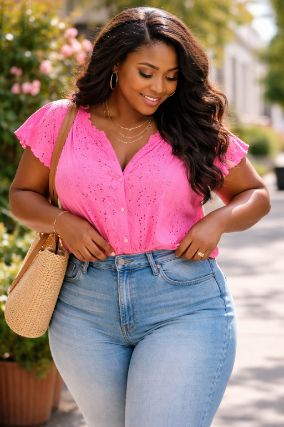
Seasonal travel isn’t about chasing trends — it’s about choosing moments that feel calm, beautiful, and considered. This Seasonal Travel Guide exists to remind you that timing is a form of self-care.

If this helped, read the rest of the blog for more soft, thoughtful travel and lifestyle inspiration — and maybe start planning your next trip with a little more flow.

Conversation Starters That Actually Work

Conversation Starters That Actually Work

If you’ve ever stood there holding your phone, overthinking a reply, or sat across from someone wondering how on earth do I keep this conversation alive, welcome. You’re among friends. I’ve had moments where I wanted connection so badly, but my brain served me tumbleweed energy instead. That’s exactly why Conversation Starters That Actually Work became a thing I had to learn — the gentle, human kind that don’t feel like job interviews or cringe icebreakers.

In this post, we’re talking about Conversation Starters That Actually Work in real life — on dates, friendships, family dinners, coffee queues, and even those “we’re both here so… hi?” moments. Not scripted. Not forced. Just soft, curious, open-ended ways to connect heart-to-heart.


Why Most Conversation Starters Feel So Awkward

Let’s be honest:
“Where are you from?”
“So, what do you do?”
“Did you watch anything good?”

They’re not bad, but they’re tired. Overused. Emotionally flat.

The reason conversation feel different is because they’re rooted in curiosity, not performance. You’re not trying to impress. You’re trying to understand. Big difference.


1. The “Right Now” Question

Try:
“What’s something that’s been on your mind lately?”

This is one of those conversation starters that Actually work because it meets people where they are — not where society expects them to be.

It opens the door to:

  • Excitement
  • Stress
  • Reflection
  • Or something beautifully unexpected

Soft tip: Ask this only when you’re ready to actually listen. No multitasking. No half-attention.


2. The Memory Trigger

Try:
“What’s a small moment from your childhood you still think about?”

This one works because memories bypass small talk and go straight to meaning. People light up when they feel safe enough to remember.

Why it works:
Memories humanise us. They soften defences. And yes — this is absolutely one of those conversation starters that actually Work when you want emotional depth without heaviness.


3. The Gentle Opinion Opener

Try:
“What’s something you believe now that you didn’t a few years ago?”

This isn’t debate-bait. It’s reflection-bait.

It invites growth stories, perspective shifts, and often leads to conversations about healing, faith, boundaries, or purpose — especially in sacred spaces.

Flow note: This question works beautifully on walks, coffee dates, or long voice notes.


4. The Curated Curiosity Question

Try:
“What’s something you’re currently enjoying — a show, habit, or routine?”

This is an elevated version of “What are you watching?”
Less lazy. More intentional.

Why it works:
It’s light, but still personal. And yes — it earns its place among conversation starters that actually work because it leaves room for follow-up.


5. The Values Check-In

Try:
“What does a good day look like for you these days?”

This question quietly reveals priorities without interrogating anyone.

You’ll hear about:

  • Rest
  • Productivity
  • Faith
  • Relationships
  • Healing

Use this when: You want to understand someone’s inner world, not just their schedule.


6. The Shared Environment Starter

Try:
“How are you actually finding this place/event/season?”

Context-based questions are underrated conversation starters because they’re organic. You’re both already there. No awkward leap required.

Pro tip: Share your own answer too. Conversation is a two-way street, not a podcast interview.


7. The Soft Faith & Meaning Question (Optional but Powerful)

Try:
“What’s been grounding you lately?”

This isn’t preachy. It’s open.

Someone might say:

  • Prayer
  • Gym
  • Therapy
  • Journaling
  • Nature
  • Music

This is one of those conversations when you want depth without forcing vulnerability.


How to Make Conversation Starters Actually Work (The Real Secret)

Here’s the truth no one tells you:
It’s not the question. It’s the energy.

You can ask the perfect question and still kill the vibe if:

  • You rush the response
  • You’re waiting to talk instead of listening
  • You’re performing instead of connecting

The best conversation starters that actually work are paired with:

  • Eye contact
  • Presence
  • Gentle follow-up questions
  • And shared honesty

Even saying, “That’s interesting — tell me more,” can change everything.


When to Let Silence Do the Talking

Soft Flow Living reminder: silence isn’t awkward — it’s spacious.

Some of the deepest conversations happen after the pause. Don’t rush to fill it. Let the moment breathe.

Creators in mindful living spaces often highlight this — stillness is part of connection too.


Choose Curiosity Over Performance

You don’t need to be witty.
You just need genuine interest.

Conversation starters are simply invitations — not tests, not scripts, not strategies. When you lead with softness and curiosity, connection follows naturally.

Try one today. Just one.
And if it feels awkward? Congratulations — you’re human.

How to Build a Cohesive Colour Scheme For Your Home

How to Build a Cohesive Colour Scheme For your home

If you’ve ever stood in a paint aisle holding six “neutral” samples that somehow all look beige-ish but wildly incompatible, welcome. You’re not bad at interiors. You’re just overwhelmed. Learning How to Build a Cohesive Colour Scheme For your home isn’t about talent or having a Pinterest-perfect life. It’s about clarity, restraint, and not letting one rogue cushion bully the whole room.

This guide is a soft, stylish way to understand How to Build a Cohesive Colour Scheme For your home without overthinking it, overbuying it, or crying on the floor at 10pm. Light, visual, and curated — Home Flow vibes only.


Start With the Feeling, Not the Paint Chart

Before colour swatches and mood boards, ask yourself one question:
How do I want this space to feel?

Calm? Warm? Fresh? A bit grown and put-together? That emotional anchor is the foundation of How to Build a Cohesive Colour Scheme For your home.

How Do You Want Your Home to Feel?

Practical tip: Write down three words you want your room to embody. Those words guide every colour choice after.


Choose a Hero Colour (Yes, Just One)

A cohesive colour scheme always has a lead role. One hero colour. Everything else supports it.

This doesn’t mean bold or loud — your hero could be warm white, sage green, muted clay, or soft grey. The key to How to Build a Cohesive Colour Scheme For your home is commitment, not chaos.

Create a Colour Scheme That Flows

Practical tip: If choosing feels stressful, take inspiration from something you already love in the room — a rug, artwork, or sofa — and let that dictate your hero colour.


Build a Supporting Cast of 2–3 Colours

Once your hero is locked in, add two or three supporting shades max. Not seven. Not “just in case”. This is where homes either feel curated or… like a clearance aisle.

The classic interior rule is variations of:

  • One main colour
  • One soft neutral
  • One accent tone

Practical tip: Stick to the same undertone family (warm with warm, cool with cool) to avoid visual tension.


Use Neutrals as the Quiet Glue

Neutrals are not “boring”. They’re the background singers holding the whole song together.

Warm whites, soft beiges, greiges, and muted taupes help colours flow between rooms without shouting.

When thinking about How to Build a Cohesive Colour Scheme For your home, neutrals give your eye somewhere to rest. And honestly, your nervous system will thank you.

Practical tip: Repeat the same neutral across walls, trims, and large furniture for instant cohesion.


Repeat Colours in Small, Intentional Ways

Cohesion isn’t about matching everything. It’s about repetition that feels natural.

That blue cushion? Echo it in a vase. That wood tone? Let it show up again in a frame or stool.

How to plan a whole home colour scheme

This concept is core to How to Build a Cohesive Colour Scheme For your home. The eye loves familiarity. Repetition creates rhythm.

Practical tip: Aim to repeat each colour at least three times throughout the space.


Let Texture Do Some of the Work

If everything is the same colour and the same texture, it can feel flat. Texture adds depth without adding visual noise.

How To Use Texture In Interior Design

When learning How to Build a Cohesive Colour Scheme For your home, texture is the cheat code that makes simple palettes look styled rather than basic.

Practical tip: If you’re scared of colour, lean into texture first — it builds confidence without commitment.


Flow Matters More Than Perfection

Your home doesn’t need to look like a showroom. It needs to flow.

That means rooms should speak to each other, not compete. Use similar base colours throughout, then vary intensity room to room.

This bigger-picture thinking is essential to How to Build a Cohesive Colour Scheme For your home that actually feels lived-in and peaceful.

Practical tip: Stand in a doorway and scan adjoining rooms. If one room visually “shouts”, something needs simplifying.


Trust Your Eye (And Edit Ruthlessly)

Here’s the truth: cohesion often comes from removing things, not adding.

If a colour consistently feels “off”, it probably is. Editing is part of How to Build a Cohesive Colour Scheme For your home, even if it means accepting that an impulsive décor buy no longer fits the vibe.

Designers edit constantly. You’re allowed to as well.

Practical tip: If you hesitate every time you look at an item, it’s not pulling its weight.


Final Thoughts: Soft, Intentional, Yours

Learning How to Build a Cohesive Colour Scheme For your home isn’t about rules — it’s about creating a space that feels calm, intentional, and supportive of your everyday life. Start with feeling, choose fewer colours, repeat thoughtfully, and let texture carry you.

Try one tip today. Save the rest for later. And let your home breathe a little.

Read the rest of the blog for more Home Flow inspiration and soft living ideas

The Most Flattering Curly Haircuts for Every Curl Type

Curly Haircuts for Every Curl Type

Affiliate Disclaimer:
This post may contain affiliate links. If you purchase through these links, I may earn a small commission at no extra cost to you. I only recommend services I genuinely trust and believe will make your life easier. Thanks for supporting my blog!

Finding the Perfect Cut for Your Curls

Ever stared at your curls in the mirror and thought, “If only my haircut truly understood me”? I’ve been there. Curly hair is beautiful, full of personality, and totally unique—but that also means it comes with its own set of challenges. The right haircut can make your curls bounce with life, reduce daily styling stress, and leave you feeling effortlessly confident. Today, I’m sharing the most flattering curly haircuts for every curl type, with inspiration from talented stylists and creators who really know how to work with curls.

Whether your curls are loose waves, tight coils, or anything in between, these ideas are here to guide you toward your next head-turning look.


1. Loose Waves (2A–2B)

Loose, soft waves are dreamy and easy-going. If your hair naturally falls into gentle waves, a long layered cut can enhance movement without weighing down your hair.

Tip: Ask your stylist for subtle face-framing layers that start around your jawline. It adds structure while keeping your waves soft and flowy.


2. Medium Curls (2C–3A)

Medium curls are bouncy and versatile but can become frizzy if cut incorrectly. Shoulder-length layers work beautifully, giving your curls room to spring while controlling bulk.

Tip: A long bob (lob) with textured ends is perfect for everyday styling. You can air-dry or use a diffuser for a naturally polished look.


3. Tight Curls (3B–3C)

Tighter curls are full of personality and texture. The key is to avoid heavy, one-length cuts that weigh down the curl pattern. Instead, opt for layers that enhance the curl’s shape.

Tip: Ask for “curly layers,” which stylists cut dry to follow your curl pattern. This keeps your curls springy and defined.


4. Coily Hair (4A–4B)

Coily hair is tightly packed, voluminous, and full of life. A shape-focused cut, like a rounded afro or tapered cut, can let your coils shine without looking heavy.

Tip: Moisture is everything for coily curls. Pair your haircut with deep-conditioning treatments to define each coil.


5. Mixed Textures (3C–4A)

Many of us have a mix of curl types, which can be tricky to cut evenly. A versatile layered cut allows each curl to express itself without clumping or losing shape.

Tip: Consider a “curly cut and shape” session with a stylist who understands multi-texture curls—they can balance volume and length naturally.


Styling Tips to Complement Your Cut

  • Diffusing: Always use a diffuser on low heat to avoid frizz and keep your curl shape intact.
  • Layered Care: Layered curls need regular trims to prevent uneven shrinkage and maintain bounce.
  • Product Pairing: Lightweight curl creams or gels can enhance your haircut’s shape without weighing curls down.
  • Sleep Routine: Silk or satin pillowcases prevent frizz and preserve the haircut overnight.

Curly Haircuts for Confidence

Choosing a haircut for curly hair isn’t just about aesthetics—it’s about embracing the uniqueness of your curls and making daily hair routines easier. The most flattering curly haircuts for every curl type can transform not only your style but also how you feel stepping out each day. Whether you’re rocking loose waves, tight coils, or a mix of textures, the right cut can bring out your natural beauty effortlessly.

Remember, your curls are a part of your identity. Celebrate them with a cut that lets them shine, and don’t be afraid to experiment with layers, lengths, and shapes. Even small adjustments can create a huge impact.

Ready to try a new curl-friendly haircut? Find a trusted stylist. Your curls deserve the love and attention that will make them look and feel amazing.

Try this tip today: Book a consultation with a curl specialist or start by experimenting with subtle layers at home. You’ll be amazed at how much a flattering cut can boost your confidence.
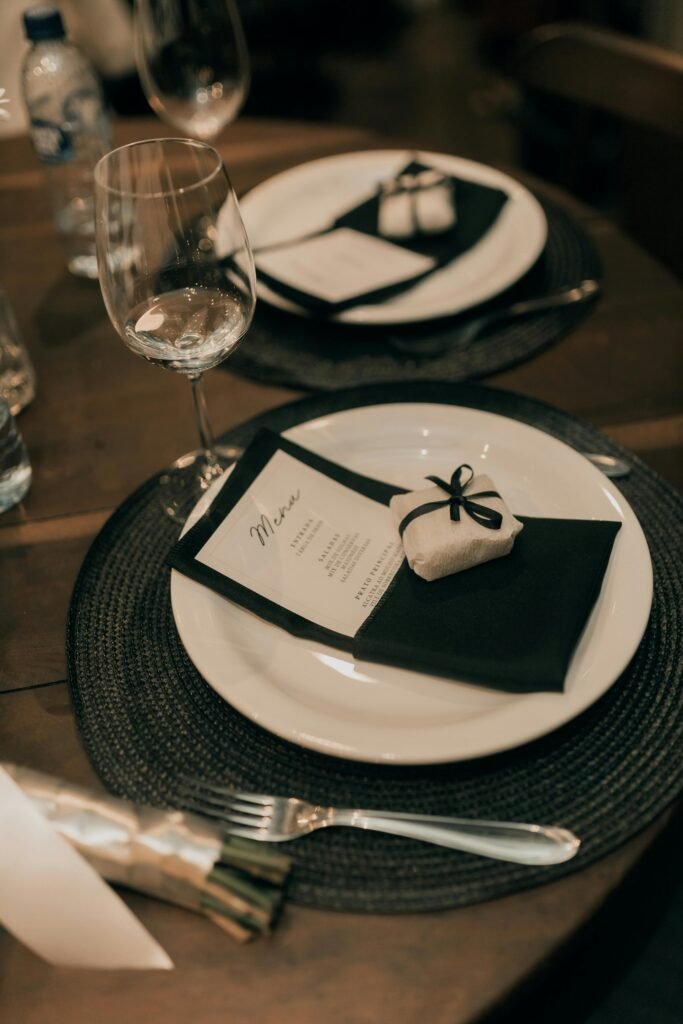
Read the rest of the blog for more visual inspiration and tips to master your curls!

Colour Theory for Calm Homes: How to Choose Calming Colours

colour theory for calm homes

There’s nothing quite like walking into your home after a long day and feeling an instant sense of calm wash over you. Yet, sometimes the colours we surround ourselves with—bright reds, harsh yellows, or clashing patterns—can make a space feel chaotic instead of comforting. That’s where understanding colour theory for calm homes comes in. By thoughtfully selecting shades that promote serenity, you can transform your home into a sanctuary that feels like a gentle hug every time you step inside.

Why Colour Theory Matters

Colour isn’t just decoration; it’s a mood-setter. Different hues can trigger emotions, influence energy, and even affect how productive or relaxed you feel. For instance, soft blues can calm a racing mind, while muted greens evoke freshness and balance. Understanding colour theory for calm homes allows you to choose shades deliberately rather than randomly, creating harmony in each room.

How To Elevate A Neutral Colour Scheme

Start with a Neutral Base

When it comes to calming spaces, neutrals are your best friend. Soft creams, warm greys, or gentle taupes provide a versatile foundation for the room. A neutral palette doesn’t feel bland; instead, it creates a breathable canvas that allows accents and textures to shine.

Tip: Layer different tones within the same neutral family—like pairing a sandy beige with off-white trim—for depth without clutter.

Introduce Soothing Colours

Once your neutral base is set, it’s time to bring in calming colours. Traditionally, soft blues, sage greens, lavender, and muted pinks are associated with relaxation. These shades work beautifully in bedrooms, bathrooms, and living areas where tranquillity is key.

Light Blue Living Rooms

Pinterest is a goldmine for inspiration. Search for “soft pastel interiors” or “calming colour palettes” to find visually stunning examples from creators like Justina Blakeney, who masterfully blends colour and texture for harmonious spaces. You can explore her work here.

Consider Colour Placement

Colour theory isn’t just about picking shades—it’s about knowing where to place them. For example:

  • Ceilings: A soft blue ceiling can make a room feel airy and serene.
  • Walls: Muted greens or lavender provide a gentle backdrop for furniture and artwork.
  • Accents: Pillows, throws, and rugs are perfect for introducing subtle pops of calming colour.

This approach ensures your home feels cohesive, not chaotic, and allows you to experiment without committing to bold choices.

Play with Undertones

Two shades can look similar but create completely different moods depending on their undertones. A grey with a warm undertone feels cosy, while a cooler grey can feel crisp and modern. When applying colour theory for calm homes, always test paint samples in natural light before committing.

Understanding Undertones

Mix Textures for Added Calm

Colour isn’t the only element that creates serenity. Layering textures—like a soft wool rug, linen curtains, or a velvet cushion—can enhance the calming effect of your chosen palette. Textures catch the eye in subtle ways, making a neutral or muted room feel warm and inviting.

Limit Overly Bold Patterns

While patterns add personality, too many bold prints can overwhelm a calming colour scheme. Stick to gentle florals, subtle geometrics, or monochromatic patterns. Even one patterned piece, like a throw pillow or a framed artwork, can bring visual interest without disrupting the peaceful vibe.

Interior stylist Sarah Sherman Samuel shares inspiring examples of calm, patterned interiors on her Instagram.

Bring Nature Inside

Natural elements complement calming colours perfectly. Wooden furniture, potted plants, and woven baskets add warmth and texture while enhancing the sense of serenity. A room with soft greens, creams, and earthy tones instantly feels like a little oasis.

Decorating with Pots and Stands

Final Thoughts

Applying colour theory for calm homes doesn’t have to be intimidating. Start small with a neutral base, layer in soothing shades, and experiment with textures and natural elements. With intention and a touch of inspiration, your home can become a sanctuary that reflects both style and peace.

Remember, your space should feel good to live in, not just look good in photos. Try one tip today—maybe a soft wall colour or a new textured throw—and notice the calm it brings.

Read the rest of the blog for more Home Flow tips, décor ideas, and ways to make your home feel like a true haven.

Easy Recipes for Couples to Bond Over Food

Easy Recipes for Couples

There’s something oddly intimate about cooking with someone you care about. Not the chaotic, Gordon Ramsay–energy cooking. I’m talking about the soft kind. Music playing. Sleeves rolled up. Someone stealing food off the chopping board.

That’s why Easy Recipes for Couples matter so much more than we realise. They’re not about impressing anyone. They’re about connection. Presence. Shared laughs. And the low-key joy of making something together without one of you rage-quitting halfway through.

I’ve found that the best bonding moments don’t happen at fancy restaurants. They happen in small kitchens, with simple ingredients, and zero pressure to perform. So if you’re craving more us time — whether you’re newly dating, long-term, or just intentionally slowing down — this list of Easy Recipes for Couples is for you.

No overcomplication. No culinary ego. Just food as a love language.


Why Cooking Together Is Underrated Relationship Therapy

Cooking together forces you to communicate — gently.
It reveals personalities (the planner vs the chaos gremlin).
And it creates a shared goal that isn’t emotionally heavy.

Unlike “deep chats” that can feel intense, cooking together creates space for connection without pressure. Hands busy, hearts open. It’s elite bonding, honestly.

Psychologists even say shared activities strengthen emotional intimacy — but let’s be real, it just feels nice to cook with someone who feels safe.

Flatbread Pizzas: Because Everyone Wants Control

Flatbread pizzas are the ultimate “meet me halfway” meal. Same base, different toppings, zero arguments.

You both get creative, swap bites, and quietly judge each other’s topping choices (lovingly, of course).

Why it works for couples:

  • Minimal prep
  • Customisable
  • Feels playful, not serious

Tip: Put everything in small bowls and let it feel like a pizza bar. Effortlessly romantic.

One-Pan Creamy Chicken (Less Dishes, More Vibes)

If a recipe needs five pots, I’m out. One-pan meals are the backbone of Easy Recipes for Couples because no one wants to bond over washing dishes.

Creamy chicken dishes — think garlic, herbs, a splash of cream or coconut milk — feel indulgent without being complicated.

Why couples love this:

  • One person stirs, the other chats
  • The kitchen stays calm
  • Cleanup doesn’t ruin the mood

Light a candle. Pour a drink. Let the pan do the heavy lifting.

Tacos Night: Soft Chaos, Maximum Fun

Tacos are basically edible teamwork.

You prep together, assemble together, and somehow always end up laughing. They’re casual, messy, and perfect for easing tension — which is exactly why they belong on any Easy Recipes for Couples list.

Make it cute:

  • Soft tortillas
  • Simple protein (chicken, beans, mince)
  • A few toppings
  • No rules

Sit on the couch. Eat with your hands. Let it be imperfect.


Pasta From Scratch (Or Almost From Scratch)

You don’t need to make pasta dough to feel romantic. Fresh pasta from the shop + a simple sauce still counts.

Cooking pasta together slows everything down. There’s stirring, tasting, adjusting — all very intimate without being intense.

Why this works:

  • Predictable (pasta never betrays you)
  • Easy to personalise
  • Feels like a date without leaving home

This is peak Heart Flow energy.


Breakfast for Dinner: Underrated and Elite

Breakfast-for-dinner feels rebellious in the best way. Pancakes, eggs, toast — all soft, nostalgic foods that invite conversation.

It’s one of the most overlooked Easy Recipes for Couples, yet it’s perfect when energy is low but connection still matters.

Pro tip:
Put on slow music. Cook barefoot. Laugh when the first pancake fails. It’s tradition.


Bake Something Small (Not a Three-Tier Situation)

Baking together is intimate — but only if it’s simple. Cookies, banana bread, brownies. Anything that fits in one tin.

The magic is in the waiting. Sitting together while something bakes creates space for conversation without forcing it.

Why it’s bonding:

  • Shared anticipation
  • A cosy home smell
  • A reward you enjoy together

Soft love, honestly.


How to Make Cooking Together Actually Enjoyable

Let’s be honest — cooking together can go left if expectations aren’t aligned. Here’s how to keep Easy Recipes for Couples actually easy:

  • Don’t assign roles like it’s a corporate meeting
  • Choose recipes you’re both excited about
  • Keep the phone away (yes, even for TikTok)
  • Play music that sets the tone
  • Laugh when things go wrong

Bonding doesn’t require perfection. It requires presence.


Food Is a Bridge, Not a Performance

At its core, Easy Recipes for Couples aren’t about the food. They’re about creating a shared rhythm. A safe, gentle space where love shows up in small ways — chopped onions, shared tastes, quiet smiles.

You don’t need a perfect kitchen. You just need intention.

Start small. Cook slow. Let food do what it’s always done best — bring people closer.


Try one of these ideas this week, or read the rest of the blog for more soft-life rituals that make everyday moments feel meaningful.