

Consistency in Marketing and Faith: Why It’s the Real MVP for Growth and Healing

consistency in marketing and faith

Consistency gets tossed around so much in digital marketing, it’s easy to roll your eyes and think, “Yeah, yeah, I get it.” But truth? It’s the real game changer — and it’s not just for business. I’ve discovered consistency also runs deep in faith and healing. Both areas demand showing up day after day, even when results aren’t instant or obvious.

If you’re just starting out in marketing or trying to grow your faith, this post is for you. We’ll explore why consistency matters, how faith mirrors the process, and practical tips to keep going without burning out.


Why Consistency Matters in Digital Marketing

Marketing isn’t magic. It’s a marathon, not a sprint. If you want to grow your brand or business, you need to show up regularly — posting content, engaging with your audience, tweaking your strategies. Why? Because algorithms and people both reward predictability.

Think of it like this: would you rather follow a page that posts once every blue moon or one that shows up consistently, with fresh content and real conversations? You’d pick the latter, right? Because it builds trust and a sense of community.

Even if you’re not seeing immediate spikes in followers or sales, consistent effort plants seeds. Some will sprout fast, others take time. But without regular watering, nothing grows.


The Faith Connection: How Consistency Translates Spiritually

My journey with faith has taught me the power of consistent daily habits — prayer, reading scripture, quiet reflection. These small acts build a foundation that keeps me grounded during tough times. Just like marketing, faith isn’t about one big miracle every day; it’s about the small, faithful steps that add up over time.

When I struggle to post or market myself, I remember how God shows up patiently, waiting for me to come back even when I stumble. That grace fuels me to keep going.

If you’re healing from pain, feeling lost, or overwhelmed, know that your consistent effort — however small — matters. Healing, like marketing and faith, is a process, not a single moment.


Practical Tips to Build Consistency Without Burning Out

  • Start small and realistic. Don’t aim for posting every day if it feels impossible. Twice a week is a great start.
  • Use scheduling tools. Buffer, Later, or even simple calendar reminders help you plan content ahead.
  • Celebrate small wins. That one post? One prayer? One step forward? They’re all progress.
  • Create rituals around your work and faith. Maybe a morning prayer before writing, or a weekly content brainstorm session.
  • Be kind to yourself on off days. Life happens. Don’t beat yourself up; just show up again tomorrow.

What to Do When You Feel Like Giving Up

Everyone hits a wall. When that happens, remind yourself why you started. For me, it’s faith and the hope that my work will bless others. For you, it might be similar or something else — keep that “why” front and centre.

Also, connect with community. Whether it’s a mentor, friend, or online group, sharing your struggles can make the load lighter.


Final Encouragement: Consistency is a Journey

There’s no perfect formula. Consistency looks different for everyone. The goal isn’t perfection but persistence. Show up for yourself, for your brand, and for your faith — even if it’s just a tiny step.

Remember: big transformations are built on small, faithful actions repeated over time.


Over to You

What’s one small consistent action you’re committing to this week — in marketing, faith, or healing? Take a moment to write it down, keep it close, and celebrate your progress quietly but proudly. Remember, big transformations start with tiny, faithful steps. You’ve got this.

And if you loved this post, consider supporting me by buying me a coffee. Every cup fuels my writing and healing journey. ☕

Work From Home Daily Routine: How to Stay Productive and Peaceful

Work from home daily routine

Working remotely can feel magical at first. No commute. Your own kitchen. Your own space. But after a while, many people realise something unexpected: without structure, the day starts to blur.

One minute you’re checking emails in the morning, and the next thing you know it’s late evening and you’re still mentally “at work.” If you’ve ever felt like your home has quietly turned into your office, you’re not alone.

That’s exactly why creating a work from home daily routine matters. A gentle structure can protect your peace, keep your mind focused, and help you enjoy the freedom remote work offers without feeling overwhelmed.

Let’s explore a soft, realistic rhythm you can adapt to your own lifestyle.

Why a Work From Home Daily Routine Matters

One of the biggest surprises of remote work is how easy it is to lose boundaries. When your desk, kitchen, and living room exist in the same space, work can sneak into every part of your day.

A thoughtful work from home daily routine helps you:

  • Create mental boundaries between work and rest
  • Reduce decision fatigue during the day
  • Stay productive without rushing or overworking
  • Maintain a sense of calm and balance

Instead of strict rules, think of your routine as a gentle rhythm that guides your day.

For example, time-blocking is a simple method that helps protect focused work time by assigning specific tasks to dedicated periods in your schedule. Exploring time-blocking strategies can help you structure your day with more clarity and intention.

Work from home daily routine

Start the Morning Slowly

One of the best parts of remote work is the opportunity to start your day with intention rather than rushing into a commute.

Before opening your laptop, try creating a small ritual that belongs only to you.

Ideas include:

  • Opening the windows to let in fresh air
  • Making coffee or tea slowly without checking your phone
  • Stretching or doing light movement
  • Journaling your thoughts for the day

Many people also enjoy beginning the day with reflective practices like meditation or devotional reading.

A peaceful morning sets the tone for your entire work from home daily routine.

Plan Your Top Priorities

Once you sit down at your workspace, take a few minutes to organise your day.

Instead of trying to tackle everything at once, identify three main priorities that truly matter. These will guide your energy and prevent you from getting lost in endless small tasks.

Tools that can help with planning include:

  • Notion for organising tasks and notes
  • Trello for visual project boards
  • Google Calendar for simple time-blocking

Planning ahead keeps your work from home daily routine intentional instead of reactive.

Create a Focused Deep Work Block

Most people have a period during the day when their concentration is strongest. For many remote workers, that window falls in the late morning.

Use this time for deep work—tasks that require creativity, strategy, or clear thinking.

Examples include:

  • Writing reports or blog posts
  • Editing content
  • Designing presentations
  • Strategic planning

To maintain focus, some creators use the Pomodoro Technique, which alternates 25 minutes of focused work with short breaks.

This focused period is often the most productive part of a healthy work from home daily routine.

Step Away for a Proper Lunch Break

When you work remotely, it’s easy to eat at your desk while scrolling through messages or emails. But stepping away from work—even briefly—can make a huge difference to your energy.

Your lunch break is a chance to reset both mentally and physically.

Some gentle ideas:

  • Cook a quick meal and enjoy it away from your screen
  • Sit near a window or outside if possible
  • Take a short walk around your neighbourhood
  • Watch a light YouTube video or listen to a podcast

Giving your mind space in the middle of the day strengthens your overall work from home daily routine.

Work from home daily routine

Use the Afternoon for Creative or Collaborative Work

After lunch, many people experience a second wave of energy that’s perfect for collaboration or creative tasks.

This part of your day might include:

  • Meetings with teammates or clients
  • Brainstorming new ideas
  • Recording content
  • Solving problems or planning projects

If your schedule includes meetings, try leaving small breaks between them. Back-to-back calls can drain your energy quickly.

Keeping this part of your work from home daily routine flexible allows you to adapt to the natural flow of your workday.

Save Light Tasks for the End of the Day

As the afternoon continues, your focus may begin to fade slightly. Instead of forcing intense concentration, this is a great time to complete lighter tasks.

These might include:

  • Replying to emails
  • Scheduling posts or messages
  • Organising files or notes
  • Preparing tomorrow’s to-do list

Completing small tasks during this window helps your work from home daily routine end on a productive note without feeling exhausting.

Create a Gentle Workday Closing Ritual

One of the most important parts of remote work is learning how to stop working.

Without a commute, your brain doesn’t always recognise that the day has ended. Creating a closing ritual can help signal the transition.

Simple ways to close your workday:

  • Tidy your desk or workspace
  • Write down tomorrow’s priorities
  • Play music while shutting down your laptop
  • Change clothes or step outside briefly

These small cues tell your mind that the workday is complete and allow you to enjoy your evening.

Keep Your Routine Flexible

No work from home daily routine should feel rigid or restrictive. Life changes, energy shifts, and some days simply move at a different pace.

The goal is not perfection. The goal is creating a rhythm that supports your wellbeing while helping you stay focused.

A few gentle reminders:

  • Productivity isn’t about being busy all day
  • Rest is part of doing good work
  • Your routine can evolve over time

A soft routine can help you stay grounded while still embracing the freedom remote work provides.

Final Thoughts

Designing a peaceful work from home daily routine can transform the way remote work feels. Instead of drifting through your day reacting to tasks, you move through it with intention.

Start small. Choose one idea from this post and try it this week—perhaps protecting your morning quiet time or taking a real lunch break away from your desk.

Sometimes the smallest changes create the biggest sense of calm.

A Slow Morning Routine That Actually Works

slow morning routine

Some mornings start with calm.
Others start with your alarm screaming, your phone already in your hand, and your nervous system clocking in before you do.

I used to think a slow morning routine was a luxury, something reserved for people with perfect schedules and oat milk subscriptions. But the truth? A slow morning routine isn’t about time. It’s about intention.

When I stopped rushing my mornings, everything else softened too; My thoughts, reactions and my energy. Even on days where I only had 15 minutes, choosing a slow morning routine changed how I showed up.


Start by Creating Space Between Sleep and Screens

One of the quickest ways to ruin a slow morning routine?
Rolling over and scrolling before you’ve even sat up.

When you reach for your phone first thing, you hand your attention to notifications, headlines, and group chats before checking in with yourself. Your brain doesn’t ease into the day — it reacts.

Instead, try creating a small buffer:

  • Charge your phone across the room overnight
  • Use a physical alarm clock (even a simple one works)
  • Keep your phone on Do Not Disturb until after your routine

Hydrate Before You Caffeinate

You’ve gone hours without water. Your body knows it. Even if your brain is screaming for coffee.

Drinking water first thing supports focus, digestion, and energy levels. It’s a small habit that makes your morning routine feel grounded instead of rushed.

Keep it simple:

  • A glass of water by your bed
  • Add lemon or cucumber if you like
  • Coffee can wait five minutes — promise
slow morning routine

Move Gently, Not Aggressively

A slow morning routine isn’t about smashing a workout before sunrise. It’s about waking your body up kindly.

Think circulation, not calorie burn.

Easy options:

  • Stretch while still in pyjamas
  • Roll your shoulders and neck
  • Take a short walk outside

If you train later in the day, great. This part of your slow morning routine is just a reset — not a performance.


Choose One Morning Anchor Habit

Every morning routine needs an anchor.
One small, repeatable habit that tells your brain: the day has begun.

This could be:

  • Five minutes of journaling
  • Prayer or quiet reflection
  • Reading one short devotional
  • Soft music while getting ready

The habit doesn’t need to be impressive. It just needs to be consistent.

Consistency creates calm. Not complexity.

slow morning routine

Be Intentional About Breakfast (Whatever That Looks Like)

You don’t have to eat breakfast early. Or at all. But if you do, let it support your morning routine — not sabotage it.

Slow, nourishing options:

  • Overnight oats with fruit and seeds
  • Eggs on wholegrain toast
  • A smoothie you actually enjoy

If you’re fasting or just not hungry yet, that’s fine. Just don’t skip eating out of guilt or distraction.


Stack Habits to Make It Stick

The secret to a slow morning routine that actually works?
Make it automatic.

Habit stacking — a concept popularised by James Clear — means attaching a new habit to something you already do.

Examples:

  • “After I brush my teeth, I stretch for two minutes.”
  • “After I make my bed, I write one sentence.”

This removes decision fatigue and keeps your slow morning routine sustainable.


Give Your Morning a Gentle Cut-Off

Slow doesn’t mean endless.

A slow morning routine works best when it has a clear end point. Otherwise, calm turns into procrastination real quick.

Try something like:

  • “At 8:15, I start work.”
  • “Once my anchor habit is done, I check my phone.”

Boundaries don’t ruin softness — they protect it.

slow morning routine

What My Real Slow Morning Routine Looks Like

No aesthetics. No Pinterest pressure. Just real life.

  • 6:45 — Wake up, drink water, no phone
  • 7:00 — Stretch with soft music
  • 7:15 — Read a short passage + journal for 5 minutes
  • 7:30 — Make breakfast and coffee
  • 8:00 — Get ready, light a candle at my desk
  • 8:30 — Start work

It’s not perfect. But it’s repeatable — and that’s why it works.


Let Go of Morning Perfection

Some days you’ll oversleep.
Other days breakfast is leftovers.
Some days your slow morning routine lasts three minutes.

That doesn’t mean you’ve failed.

The goal of a slow morning routine isn’t control — it’s care. Quiet mornings build steady confidence over time.

Start small. Adjust often. Choose rituals that fill you instead of drain you.

Because the way you start your day?
It matters more than you think.

Soft Life Travel: How to See the World Without Losing Your Peace

soft life travel

Travel is supposed to be the ultimate escape—but let’s be real, it’s not always giving. Between chaotic airports, jam-packed itineraries, and screaming toddlers two rows behind you, it’s easy to come back from a trip more drained than when you left.

That’s where soft life travel steps in.

Soft life travel is about reclaiming your rest while exploring the world. It’s for the woman who wants culture, beauty, and adventure—but on her own peaceful terms. Whether you’re planning a weekend getaway or a long-haul escape, here’s how to do it the soft life way.


1. Define What Rest Looks Like For You

Before you even open a flight booking site, ask yourself this: What do I need from this trip?

For some, rest means sleeping in a cloud-like hotel bed with spa treatments on tap. For others, it’s reading a book on a quiet beach, hiking in nature, or journaling on a slow train ride through the countryside. There’s no one-size-fits-all in soft life travel—but you do need to get honest about what feels nourishing.

Journal prompt:
What are three things that make me feel truly rested?

You can also take a few clues from experts like The Slow Travel Network, who advocate for conscious, immersive travel instead of rushed sightseeing.


2. Choose Destinations That Match Your Energy

If you’re feeling emotionally and physically tapped out, now might not be the time to tackle five European cities in ten days. (Spoiler: you’ll remember none of it except your blistered feet and overpriced airport sandwiches.)

Soft life travel invites you to choose locations that move at a gentle pace.

Some calming destination ideas:

  • Tulbagh, South Africa – Think wine farms, art galleries, and stillness.
  • Chiang Mai, Thailand – A haven for spiritual retreats and slow living.
  • Lagos, Portugal – Coastal charm with far fewer crowds than Lisbon.
  • Lucca, Italy – A lesser-known Tuscan gem made for wandering and long lunches.
  • McGregor, Western Cape – South Africa’s best-kept soft life secret.

Need inspiration? CN Traveller’s list of slow cities is a great place to start.


3. Book Flights and Transport Wisely

When it comes to air travel, don’t sabotage your peace trying to save R200 on a 6am layover flight. Choose direct flights where possible, and always book transport during the golden hours—between 10am and 3pm. It gives you enough time to rest, eat, and ease into your day.

If you’re travelling within South Africa or Europe, consider going by train. Companies like Trainline and Shosholoza Meyl make booking inter-city rail convenient and often more scenic than flying.

Pro tip:
Always keep snacks, water, a charger, and a book in your carry-on. Your peace of mind will thank you.


4. Pick Accommodation That Feels Like Home

Soft life travel doesn’t mean 5-star resorts with seven forks on the table (unless you’re into that). It means choosing places that feel like home.

Look for accommodation with:

  • Natural light
  • Minimalist, clean design
  • Quiet surroundings
  • Flexible check-in/check-out
  • A kitchen or kitchenette (for slow breakfasts and late-night tea)

Websites like Airbnb and Plum Guide curate listings that feel lived-in, not like sterile hotel boxes. You can filter by “peaceful,” “nature,” or “retreat” in your search terms.


5. Create Loose Itineraries (With Lots of White Space)

You don’t need to plan every minute. In fact, overplanning is one of the fastest ways to ruin a soft life trip.

Instead, try this:

  • One “anchor” activity per day (e.g. spa visit, walking tour, or museum)
  • Two optional “floaters” if energy allows
  • Free time for spontaneous naps, journaling, or people-watching

Use tools like Wanderlog to map out gentle itineraries and keep everything in one place.

Also: give yourself a full “nothing day” at least once. No plans. Just vibes.


6. Travel Light—Physically and Emotionally

Soft life travel means not carrying what isn’t yours to carry—whether that’s literal luggage or other people’s expectations.

Packing light:

  • Stick to one carry-on and one personal item
  • Pack neutral clothing that mixes and matches easily
  • Bring a soft wrap or scarf (works as a blanket, pillow, or head covering)
  • Leave space in your luggage—physically and emotionally—for souvenirs and surprises

And yes, that includes your emotional baggage. You’re not bringing stress on this trip. Leave that mess at the gate.


7. Build In Rituals for Stillness

Don’t underestimate the power of small, slow rituals to ground you—even in unfamiliar places.

Here are a few to try:

  • Brew a cup of tea and sit by the window each morning
  • Do five minutes of breathwork before leaving your accommodation
  • Journal a few thoughts at the end of the day
  • Walk barefoot if the land allows
  • Speak scripture or affirmations over yourself daily

Bring a travel-friendly journal or even just use the notes app on your phone. You can also use prompts from The Daily Rest to stay centred.


8. Practise Soft Boundaries When Travelling with Others

Travelling with people—especially ones who don’t know how to sit down—can mess with your soft life groove.

Set expectations early:

  • Let them know you’ll need solo time
  • Offer to meet up for just one or two shared meals
  • Say “no thank you” without guilt if they want to club-hop and you’d rather sleep

You’re not responsible for their enjoyment. And you’re not selfish for choosing rest over running yourself into the ground.


9. Be Present, Not Just Productive

In a world obsessed with documenting every second, soft life travel says: Just be here.

It’s okay if you don’t get the perfect photo. It’s okay if you don’t make a Reel. The goal is presence, not performance.

That said, if you do want to capture memories softly, consider:

  • Taking slow vlogs with your phone camera
  • Using voice notes instead of selfies
  • Printing photos after the trip instead of rushing to post them

Let your memories live in your soul before they live on your feed.


10. Return Home Gently

The soft life doesn’t end when your trip does.

Ease back into routine with:

  • A buffer day before going back to work
  • A calm, clean home waiting for you (tidy before you leave!)
  • A moment of reflection—what did this trip teach you? How did it heal you?

Soft life travel is about sustainable joy. If you need a holiday after your holiday, you did too much.


Final Thoughts

Soft life travel isn’t about luxury—it’s about intentional rest. It’s a way of travelling that nourishes your body, your soul, and your spirit. Whether it’s a solo trip down the coast or a dreamy European escape, the pace you move at matters.

Say no to rushed itineraries. Say yes to sunsets, silence, and the sacred in the slow.


Before You Go:
📖 Read the rest of the blog

Peaceful Productivity: Stay Productive Without Losing Your Peace

peaceful productivity

Peaceful productivity sounds like an oxymoron in a world that glorifies burnout and busyness. If you’re not hustling, are you even trying? If you’re not tired, are you even productive?

Sis. No. We’re not doing that anymore.

I’ve had to learn the hard way that productivity at the cost of peace is too expensive. My nervous system can’t afford chaos anymore, and my spirit certainly wasn’t created for it. So here’s how I’ve been reimagining productivity — not as a sprint, but as a soft rhythm I walk with Jesus.

Mindset Shift #1: Busyness ≠ Productivity

For a long time, I thought being “booked and busy” was a flex. Now? I crave space in my schedule like I crave oat milk in my tea. Because being constantly busy doesn’t mean I’m moving forward — sometimes it just means I’m moving in circles.

Peaceful productivity starts with asking:

Am I doing what’s truly important, or just what’s loud and urgent?

These days, I start my week asking God:
“Lord, what’s actually necessary for me to do this week?”

It sounds small, but it filters out a lot of noise.

Weekly Rhythm #1: The Sunday Reset

I’ve started treating Sundays like sacred prep days — not for hustling, but for setting up peace. I put on worship, light a candle, and do three things:

  1. Reflect – What went well last week? Where did I feel overwhelmed or dry?
  2. Realign – What’s my top priority for this coming week? Not ten, just one.
  3. Restore – I fill my tank: long bath, journal time, digital detox, you name it.

I don’t cram my week with to-dos anymore; I curate it. That’s the difference between productivity and peaceful productivity.

Mindset Shift #2: I Am Not a Machine

Somewhere along the line, we started treating ourselves like we’re productivity robots. Always on. Always producing. No room for softness, stillness, or rest.

But as someone walking a healing journey — physically and emotionally — I’ve learned that rest is not the reward, it’s the requirement.

Even Jesus rested.
Even God paused on the seventh day.

If the Creator of the universe took a breather, so can you.

Now, if I feel drained mid-week, I pause guilt-free. I swap that heavy task with something lighter, or I take a full reset day. I don’t owe anyone burnt-out excellence.

Weekly Rhythm #2: The Midweek Check-In

Every Wednesday, I take 15 minutes to check in with myself. No overthinking. Just a simple moment of:

  • Am I still aligned with my priorities?
  • Is my body tired or energised?
  • Have I had any quiet time this week?
  • What’s making me anxious right now?

Then I adjust. That might mean reshuffling my calendar, cancelling something, or adding a tiny joy (flowers, a walk, sushi for lunch). Productivity doesn’t have to mean pressure — it can mean presence.

Mindset Shift #3: Peace Comes From Prioritising God First

Let me be real. When I don’t start my days with God, everything feels off. The deadlines feel heavier. The small irritations feel bigger. The overwhelm kicks in faster.

But when I invite God into my day — even just a few minutes of prayer or a Scripture before emails — something shifts.

“You will keep in perfect peace all who trust in you,
all whose thoughts are fixed on you.” — Isaiah 26:3

That verse doesn’t say you’ll keep yourself in peace. It says He will.
So if peace is the fruit, intimacy with Him is the root.

Weekly Rhythm #3: Flexible Structure

I plan my week around “daily anchors” instead of rigid schedules:

  • Mornings: Scripture, coffee, stretch
  • Midday: One core task (writing, strategy, content etc.)
  • Evenings: Wind-down + soft living (TV off by 9, journaling, worship music)

I also group similar tasks together — aka batching:

  • Mondays: Admin & meetings
  • Tuesdays: Content creation
  • Wednesdays: Light & creative tasks
  • Thursdays: Strategy & planning
  • Fridays: Rest day or overflow tasks

If something spills into the next day? Cool. It’s not failure — it’s flow.

Bonus Tools That Support Peaceful Productivity

Let’s not pretend I do this on vibes alone. A few tools that help me stay on track without losing my soul:

  • Notion – For weekly planning with Scriptures & journal prompts
  • Google Calendar – Time-blocked with actual margin
  • Forest App – For focused work sessions without doomscrolling
  • Worship playlist – Calms my nervous system while I work
  • Sticky Notes – Sometimes you just need a good old-fashioned list

Productivity doesn’t need to be complex. It just needs to be kind.

Final Thoughts: My To-Do List Isn’t My Identity

Soft life isn’t about doing nothing — it’s about doing things that matter, without selling your soul in the process.

These days, I measure my success by:

  • Did I stay in peace?
  • Am I connected to God?
  • Did I honour my capacity?

If I tick those three boxes, I’ve won. Everything else is extra.

So the next time the world tries to guilt you into hustle mode, remember:
Your peace is holy. Protect it.

☕ Buy me coffee while I write these posts

If this post spoke to you or helped in any way, feel free to support me.

Want more soft life wisdom?

Read the rest of the blog here.

Romanticise Your Life: Daily Rituals for Women Who Are Tired of Surviving

romanticise your life

There is a quiet moment that often sparks the desire to romanticise your life. It might happen when you see a woman sipping coffee at a pavement café in Paris, or when you watch a travel vlog where life feels slower, prettier, and more intentional. Suddenly, your own routine feels rushed, noisy, and a little colourless.

Here is the truth. You do not need a plane ticket to romanticise your life. You can bring that same softness, presence, and beauty into your everyday routine, wherever you are.

Romanticise your life is not about escapism or pretending everything is perfect. It is about borrowing the feeling of travel and weaving it into your normal days. Small daily practice. Gentle pauses. Intentional moments that remind you that life is meant to be lived, not just managed.

Why We Associate Travel With Soft Living

When we travel, we naturally slow down. We walk more and we notice architecture, food, light, and texture. We allow ourselves to linger.

That is the energy we want to recreate at home.

Small choices like slow mornings, mindful meals, and gentle routines can transform how life feels. The calm they create has nothing to do with luxury and everything to do with presence.

To romanticise your life is to treat ordinary days with the same care you give to holiday moments.

Romanticise Your Life

Morning Practices That Feel Like a Boutique Hotel Stay

Think about how mornings feel when you travel. There is no rushing. No frantic scrolling. Just quiet anticipation.

Start small.

Open your curtains fully and let natural light in as if you are waking up in a new city. Make your coffee or tea slowly and drink it without your phone. Use a real mug you love.

These daily practices signal to your body that the day does not need to start in survival mode.

Romanticise Your Life Through Everyday Meals

One of the easiest ways to romanticise your life is through food. Travel teaches us that meals are not just fuel. They are experiences.

Even a simple lunch can feel special if you plate it intentionally, sit near a window, and remove distractions. Add fresh herbs, light a candle, or play soft background music.

Thoughtful, unhurried meals have a quiet elegance that does not rely on complexity, reminding us that simplicity often feels the most special.

Eating this way turns routine meals into grounding moments rather than rushed necessities.

Romanticise Your Life

Walks That Feel Like Exploring a New City

When travelling, walking feels exciting. At home, we often rush from place to place without noticing anything.

Try reframing your daily walks as gentle explorations. Notice the way light hits buildings. Pay attention to plants, colours, and sounds. Even five minutes can reset your nervous system.

You do not need cobblestone streets to benefit from this habit. Awareness is what creates the shift.

Evening Rituals Inspired by Travel Evenings

Think about evenings when you travel. You take hot foamy baths. Loungewear is your go to outfit. You allow the day to close gently.

Bring that same energy home.

Use warm lighting instead of harsh overhead lights. Play instrumental music or soft jazz. Take a longer shower using a scent you associate with calm, such as lavender or eucalyptus.

These small changes help you romanticise your life by ending the day intentionally instead of collapsing into it.

Journaling as a Travel Diary for Your Own Life

When we travel, we document everything. Photos, notes, memories.

Why stop doing that at home?

Use your journal as if you are recording a trip. Write about how the day felt, not just what you did. Capture small details like a good conversation, a beautiful sky, or a moment of peace.

This practice helps romanticise your life by treating it as meaningful and worthy of attention.

Romanticise Your Life

A Gentle Mindset Shift That Makes It All Work

To romanticise your life, you must release the belief that ease must be earned.

Softness is not laziness. Slowness is not failure. Peace is not a reward for productivity.

We are allowed to enjoy life simply because we are alive. You do not need permission to bring that same energy into your normal routine.

Practical Tips to Start Today

Choose one daily practice, not ten.
Remove one distraction from your morning or evening.
Add one sensory element such as music, scent, or light.
Look for inspiration rather than instruction.
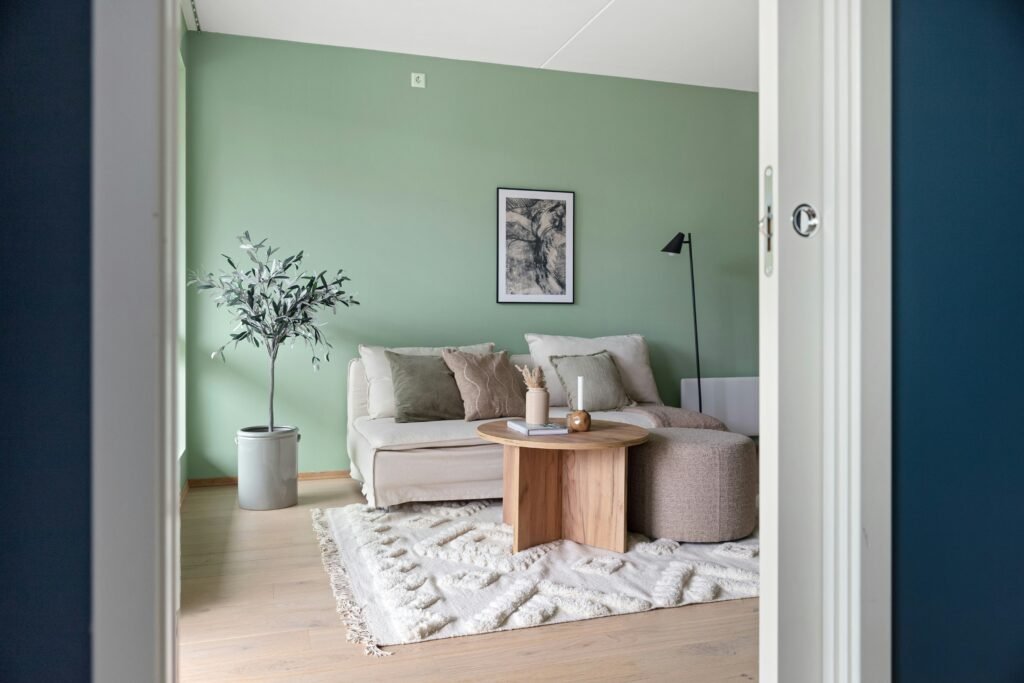
Small changes create sustainable softness.

Final Thoughts

To romanticise your life is to stop waiting for happiness to arrive later. It is about creating beauty in the middle of ordinary days and allowing yourself to live with intention now.

You do not need a different life. You need a softer relationship with the one you already have.

Try one daily practice today and see how it changes the way your day feels.

That Time I Almost Broke My Blog Over Nothing (And Other Common Blogging Mistakes)

common blogging mistakes

Have you ever spent ages tweaking your blog, convinced you’ve just created the most beautiful update… only for the changes to not show up at all?

That moment when you refresh the page five times, open the site on your phone, check another browser, and suddenly wonder if your entire blog is broken — yes, I’ve been there too.

The truth is, many bloggers experience little moments like this while building their websites. Most of the time, nothing is actually wrong. It’s usually just one of those common blogging mistakes that every creator runs into at some point.

Blogging is part creativity, part curiosity, and occasionally part detective work. The good news? Once you recognise these common blogging mistakes, you can avoid a lot of unnecessary stress and keep your blog running smoothly.

Below are some of the common blogging mistakes many creators make when managing their websites — and a few simple ways to avoid them.

1. Forgetting to Do a Hard Refresh

One of the most surprising common blogging mistakes is assuming your website changes didn’t work when your browser simply hasn’t updated the page yet.

Browsers often store cached versions of websites to load them faster, which means you might still be seeing the old version of your page.

A quick hard refresh usually solves the problem:

  • Windows: CTRL + F5
  • Mac: Command + Shift + R

For beginners learning WordPress, resources like WPBeginner offer helpful tutorials on troubleshooting simple site issues. Their blog is a great place to explore common website fixes and beginner-friendly guides.

common blogging mistakes

2. Relying Too Heavily on Plugins

Plugins are amazing tools, but installing too many can quietly become one of the common blogging mistakes that slows down your website.

Every plugin adds code to your site, which means:

  • Slower loading times
  • Possible compatibility issues
  • More updates to manage

Instead of installing multiple plugins for small features, many bloggers recommend keeping things simple and only using tools you truly need.

3. Ignoring Mobile Layouts

Another one of the most frequent common blogging mistakes is designing your site only for desktop.

In reality, a large percentage of readers discover blog content on their phones — especially through platforms like Pinterest.

Before publishing new posts or design updates, it’s helpful to check:

  • How your site looks on mobile
  • Whether text is readable on smaller screens
  • If images scale properly
common blogging mistakes

4. Making Changes Without Backups

Updating fonts, adjusting layouts, or experimenting with themes can be exciting — until something unexpectedly breaks.

Skipping backups is one of the common blogging mistakes that many bloggers only learn about after experiencing a small website disaster.

Thankfully, backup tools make this much easier today. Plugins like UpdraftPlus allow automatic backups so you can restore your site quickly if something goes wrong.

5. Copy-Pasting Content Without Cleaning Formatting

Many bloggers draft content in Microsoft Word or Google Docs before uploading it to their website. While that’s perfectly normal, it can sometimes create formatting issues.

Hidden styles from Word can carry over into WordPress, causing strange spacing, fonts, or layout glitches.

To avoid this common blogging mistake, try:

  • Using the “Paste as Text” option in WordPress
  • Pasting into a plain text editor first
  • Reviewing formatting before publishing

6. Forgetting to Clear Cache

Sometimes your browser isn’t the only thing storing an old version of your site.

Caching tools used to improve website speed can also temporarily store outdated content. That means your updates may not appear until the cache is cleared.

If you’re using caching plugins or services like Cloudflare, clearing your cache after making major changes can prevent confusion.

For deeper explanations on caching and performance, the Cloudflare Learning Centre provides easy-to-follow guides for bloggers.

7. Not Paying Attention to Site Speed

Even beautiful blogs can struggle if they load slowly.

One of the quieter common blogging mistakes is overlooking website performance, especially when adding large images or multiple design elements.

A few simple habits can help:

  • Compress images using tools like TinyPNG
  • Avoid excessive sliders or animations
  • Choose lightweight themes

You can also test your website speed using GTmetrix or Google PageSpeed Insights to see where improvements might help.

8. Skipping Regular Updates

WordPress regularly releases updates for the core platform, themes, and plugins.

Ignoring updates is another one of the common blogging mistakes that can lead to security vulnerabilities or unexpected technical issues later.

A simple routine many bloggers follow is checking their dashboard every couple of weeks to update:

  • WordPress core
  • Themes
  • Plugins

After updating, it’s always a good idea to quickly browse your site to make sure everything still looks correct.

9. Overcomplicating Your Blog Setup

When you first start blogging, it’s tempting to install every design feature and tool you discover online.

But sometimes simplicity is the best approach. Minimal layouts, clean navigation, and clear content can make a blog feel much easier to explore.

10. Panicking Before Troubleshooting

Perhaps the most relatable of all common blogging mistakes is assuming the worst the moment something looks wrong.

Often the solution is surprisingly simple:

  • Refresh the page
  • Clear the cache
  • Check another browser
  • Review the last change you made

Blogging naturally involves learning as you go. With each small challenge, you gain a little more confidence managing your website.

Final Thoughts

Building a blog is a learning experience, and encountering common blogging mistakes along the way is completely normal.

Every blogger — beginner or experienced — has had a moment where something seemed broken, only to discover the fix was surprisingly simple.

The key is staying curious, taking a step back when things look confusing, and remembering that most issues have straightforward solutions once you know where to look.

If you’re growing your blog or learning the ins and outs of WordPress, try applying one of these tips the next time you update your site.

Sunday Reset: A Self-Care Ritual to Reset Your Week

Sunday Reset

A Sunday reset isn’t about becoming a new person by Monday.
It’s about closing the week like you’d close a suitcase — carefully, calmly, with intention.

If your weeks feel rushed, cluttered, or emotionally loud, a Sunday reset creates space before the noise begins again. Think less rigid routine, more soft landing. A pause that lets you breathe before the journey continues.
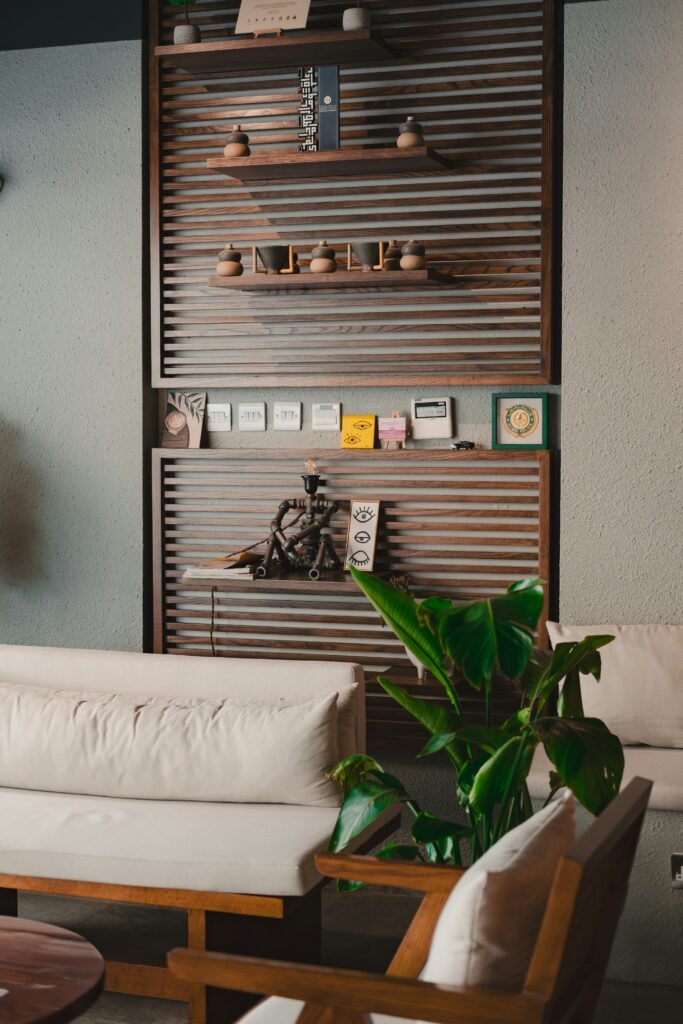
This is a Sunday reset designed for slow living — one that feels more like preparing for a beautiful trip than bracing for Monday.

Why a Sunday Reset Matters

A thoughtful Sunday reset helps you transition, not jolt, into a new week. Instead of dragging last week’s exhaustion forward, you gently close one chapter and open another.

Start Your Sunday Reset with a Slow Morning

Begin your reset by letting the morning unfold naturally. Sleep in if your body asks for it. Open the curtains slowly. Let light fill the room before notifications do.

A calm morning signals safety to your nervous system.

Sunday Reset

Soft tip: Make your bed, but don’t rush it. This one act creates order without pressure.

Create a Moment of Stillness

Every good journey starts with grounding. Your Sunday reset should too.

Light a candle. Sit quietly. Pray, journal, or simply breathe. This doesn’t need to be elaborate — even ten intentional minutes can shift your internal pace.

Refresh Your Space Like a Hotel Check-In

Think of this part of your Sunday reset as preparing your home the way a boutique hotel prepares a room.

Tidy surfaces. Fold blankets. Open windows. Add something sensory — music, a candle, fresh sheets.

Your environment affects your mood. Resetting your space is a form of care, not punishment.

Body Care as a Reset Ritual

A Sunday reset isn’t complete without tending to your body.

Take a longer shower. Apply skincare slowly. Oil your scalp. Wear something soft. This is not about beauty standards — it’s about reconnecting with yourself physically.

Sunday reset

Mentally Unpack the Week

Just like unpacking after a trip, your Sunday reset should include mental decluttering.

Ask yourself:

  • What drained me last week?
  • What gave me peace?
  • What do I want this week to feel like?

Write your answers or voice-note them.

Plan Lightly, Not Aggressively

Your Sunday reset is not a boot camp.

Instead of rigid schedules:

  • Review your calendar
  • Note your non-negotiables
  • Leave space between tasks

Prep for Ease, Not Perfection

Weekly prep should support your future self, not overwhelm her.

Prep simple meals. Choose outfits. Set intentions, not expectations.

Sunday reset

Wind Down Early and Disconnect

A gentle Sunday reset includes an early evening wind-down.

Dim the lights. Step away from scrolling. Read, stretch, or journal. This transition helps your body understand that rest comes before effort.

Sleep researchers often recommend reducing screen exposure before bed — not as a rule, but as kindness.

Close Your Sunday Reset with Intention

End your Sunday reset by acknowledging what was and welcoming what’s next.

Speak words of peace over your week. Set one emotional intention, not ten goals.

This small closing ritual helps you feel rooted rather than rushed when Monday arrives.

Final Thoughts

A Sunday reset isn’t about fixing your life.
It’s about preparing it gently.

Each week is a journey, and Sundays are your moment to pack softly, rest deeply, and move forward with clarity.

Try one ritual this Sunday. Then another next week.
Let your reset evolve with you.

10 Soft Life Habits That’ll Make You Feel Like Royalty on a Budget

soft life habits

Affiliate Disclaimer:
This post may contain affiliate links. If you purchase through these links, I may earn a small commission at no extra cost to you. I only recommend services I genuinely trust and believe will make your life easier. Thanks for supporting my blog!

For a long time, I thought productivity had to feel intense. Early alarms. Pushing through exhaustion. Earning rest like it was some kind of reward. But the more I leaned into a softer way of living, the more I realised something surprising: my productivity improved when my nervous system felt safe.

Soft life habits aren’t about luxury or laziness. They’re about creating rhythms that help you show up consistently, calmly, and with intention—even on a budget. When your days feel gentle instead of chaotic, getting things done stops feeling like a battle.

Here are ten soft life habits that quietly support your productivity while making everyday life feel more elegant, grounded, and ease-filled.


1. Romanticise Your Mornings to Set the Tone

How you start your morning shapes the pace of your entire day. One of the most powerful soft life habits is choosing intention over urgency as soon as you wake up.

Light a candle while you get ready.
Play calming music, worship, or soft lo-fi.
Drink your tea or coffee slowly from a mug you love.

This isn’t about adding tasks—it’s about changing the energy of your mornings.

Soft productivity tip: Write down three things you’re grateful for before checking your phone.


2. Use the “Good Stuff” Every Day

Saving your best things for “someday” trains your brain to believe ease must be earned. One underrated soft life habit is using what you already own now.

Wear the perfume.
Use the nice body cream.
Drink juice from the wine glass.

This mindset shift boosts productivity because it reinforces worthiness—and people who feel worthy take better care of their time and energy.

3. Create a Calm Corner for Mental Reset

Productivity doesn’t require an entire home office. Sometimes it just needs a single safe space.

Choose one corner and add:
A blanket or cushion
A candle
A journal or Bible

This becomes your reset zone—where you think, plan, pray, or pause.


4. Set Boundaries That Protect Your Energy

Soft life habits aren’t passive. They’re deeply intentional.

Unfollow content that makes you anxious.
Limit access to people who drain you.
Say no without over-explaining.

When your emotional energy isn’t constantly leaking, productivity becomes sustainable instead of exhausting.

5. Treat Sleep Like a Non-Negotiable Tool

A rested mind works better—period. One of the most practical soft life habits is prioritising sleep as part of productivity, not something that gets in the way of it.

Dim your lights in the evening.
Put your phone on Do Not Disturb.
Go to bed at the same time most nights.


6. Take Slow Walks for Mental Clarity

Walking isn’t just movement—it’s regulation. Stepping outside, even briefly, helps reset your thoughts and quiet mental noise.

Walk slowly.
Notice the air, the sky, the sounds.
Talk to God or simply breathe.

7. Turn Meals into Intentional Breaks

Eating while distracted keeps your nervous system in overdrive. Soft life habits encourage presence—even during meals.

Plate your food nicely.
Light a candle.
Eat without scrolling.


8. Budget with Vision, Not Restriction

Soft living doesn’t ignore finances—it works with them. Budgeting is a productivity habit when it’s done gently and intentionally.

Use a calming budgeting app or notebook.
Track progress visually.
Budget for small joys.

9. Speak to Yourself with Compassion

Your inner dialogue affects how you work more than any planner ever could. One of the most overlooked soft life habits is kind self-talk.

Simple affirmations like:
“I’m allowed to take this at my own pace.”
“God’s grace covers today.”
“I can be productive without pressure.”


10. Celebrate Small Wins Daily

Soft living teaches us to notice progress instead of waiting for perfection.

Finished a task? Celebrate.
Drank water? That counts.
Showed up emotionally? Huge win.

Even small rewards—a favourite show, a face mask, a quiet evening—train your brain to associate productivity with safety, not stress.


Final Thoughts

Soft life habits aren’t about doing less—they’re about doing things with more intention and less strain. When your days feel peaceful, focused, and emotionally regulated, productivity flows naturally instead of being forced.

You don’t need more pressure. You need rhythms that support who you are right now.

Try one soft life habit today and notice the shift.
Want more gentle guidance like this? Read the rest of the blog

How to Start Living a Soft Life (Without Quitting Your 9–5)

how to start living a soft life

There’s a version of the soft life we see online that looks… wildly unrealistic. Sun-drenched villas, no alarms, silk robes at 11am on a Tuesday. Lovely to look at — but not exactly helpful when you’ve got emails to answer and a calendar full of meetings.

The truth is, learning how to start living a soft life isn’t about escaping your responsibilities. It’s about changing how you move through your days, even while keeping your 9–5. Soft living can exist alongside real life — deadlines, commutes, and all.

If you’ve been craving more calm, intention, and ease without quitting your job or uprooting your life, this is your sign. Let’s talk about how to start living a soft life in a way that’s actually doable.

Redefine What “Soft Life” Looks Like for You

Before anything else, let’s clear this up: the soft life is not a one-size-fits-all aesthetic.

For some, it’s travel and slow mornings. For others, it’s emotional safety, rest, or having evenings that don’t feel rushed. How to start living a soft life begins with defining what softness means to you, not what the internet says it should be.

Take a moment to ask yourself:

  • Where do I feel most overwhelmed?
  • What would make my days feel gentler?
  • What do I need less of?
how to start living a soft life

Start With Gentle Daily Rituals (Not Massive Overhauls)

One of the biggest misconceptions about living a soft life is thinking you need to change everything at once. You don’t.

Softness grows through micro-rituals; small moments of care woven into your existing schedule.

Try ideas like:

  • Drinking your morning tea without scrolling
  • Taking a five-minute pause between meetings
  • Ending the day with a short journal entry or prayer

Small, repeatable habits are often the most effective because they fit naturally into daily life without adding pressure. Over time, these gentle routines help calm your nervous system and reduce the feeling of constant urgency.

Create Boundaries That Protect Your Energy

If you want to know how to start living a soft life, boundaries are non-negotiable.

Soft living doesn’t mean doing less because you’re lazy — it means doing less because you’re human. Start with simple changes:

  • Decide when your workday actually ends
  • Silence notifications after hours
  • Stop over-explaining your “no”

Mental rest and clear digital boundaries play a huge role in emotional wellbeing. Protecting your energy isn’t selfish, it’s a sustainable way to show up consistently.

how to start living a soft life

Let Your Environment Support Softness

Your surroundings matter more than you think. You don’t need a full home makeover to understand how to start living a soft life. you just need intention.

Focus on one area:

  • A calm workspace
  • A cosy evening corner
  • A clutter-free bedside table

Romanticise the Ordinary (Yes, Even Workdays)

A key part of how to start living a soft life is learning to find beauty in the everyday, not just on weekends or holidays.

This could look like:

  • A playlist you only play during work hours
  • Wearing clothes that feel good, not just “appropriate”
  • Turning your lunch break into a small ritual
how to start living a soft life

Do Less, On Purpose

Here’s the honest part: soft living often requires letting go.

You can’t learn how to start living a soft life while glorifying burnout. That means questioning:

  • Obligations you’ve outgrown
  • Social plans that leave you drained
  • Productivity that’s rooted in guilt

Soft life isn’t passive. It’s intentional. Choosing rest, stillness, and slowness is an active decision, especially in a culture that praises constant output.

Stay Connected to What Grounds You

For many people, softness comes from spiritual grounding, creativity, or reflection. Whatever anchors you emotionally deserves space in your day.

Whether it’s prayer, journaling, reading, or quiet reflection, these moments remind you that your worth isn’t tied to productivity. This grounding is often the missing piece when people ask how to start living a soft life but still feel exhausted.

Final Thoughts: Soft Life Is a Practice, Not a Destination

Learning how to start living a soft life doesn’t require quitting your job, moving cities, or changing who you are. It starts with small, consistent choices that make your days feel safer, calmer, and more intentional.

Soft living is built slowly — one boundary, one ritual, one gentle decision at a time.

Start today. Even if it’s just a deep breath and a quiet moment to yourself.