
How to Plan a Birthday Brunch Party at Home

birthday brunch party at home

There is something quietly magical about hosting a birthday brunch party at home. It feels softer than a late night dinner party and more intentional than a quick coffee meet up. The light is usually better in the morning, the atmosphere feels relaxed, and the food tends to be simple but beautiful.

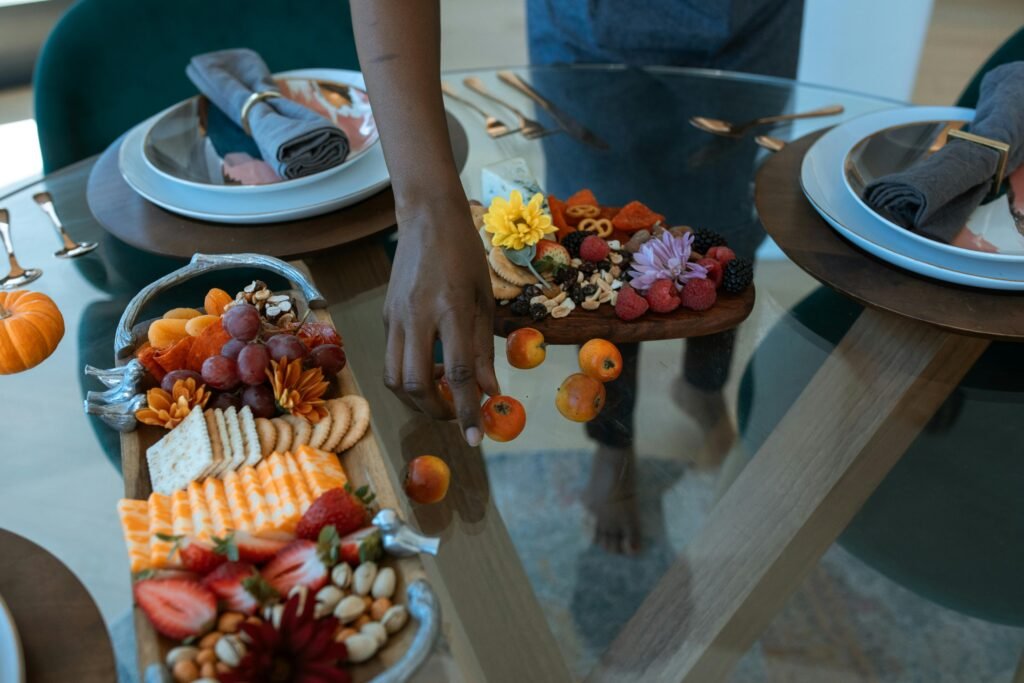
A birthday brunch party at home also has a way of turning an ordinary living room or patio into something that feels a little special. Think fresh flowers, pastries on a wooden board, coffee cups clinking together, and friends slowly gathering around the table.

The best part is that planning a birthday brunch party at home does not have to be complicated or expensive. With a few thoughtful touches, you can create a gathering that feels elegant, welcoming, and easy to host.

If you are thinking about hosting a birthday brunch party at home, these simple ideas will help you create a celebration that feels intentional without turning your kitchen into a stress zone.

Start With a Simple Brunch Menu

The secret to a successful birthday brunch party at home is choosing a menu that looks impressive but is actually easy to prepare.

Brunch food is perfect for this because many dishes can be made ahead of time. Think pastries, fruit platters, egg dishes, and simple baked goods.

A few easy menu ideas include:

  • Croissants or pastries from a local bakery
  • Fresh fruit platters
  • Mini quiches or egg muffins
  • Yoghurt parfaits with granola
  • A simple salad with greens and citrus

Keeping the menu small and intentional will make your birthday brunch party at home feel curated rather than overwhelming.

Create a Brunch Drink Station

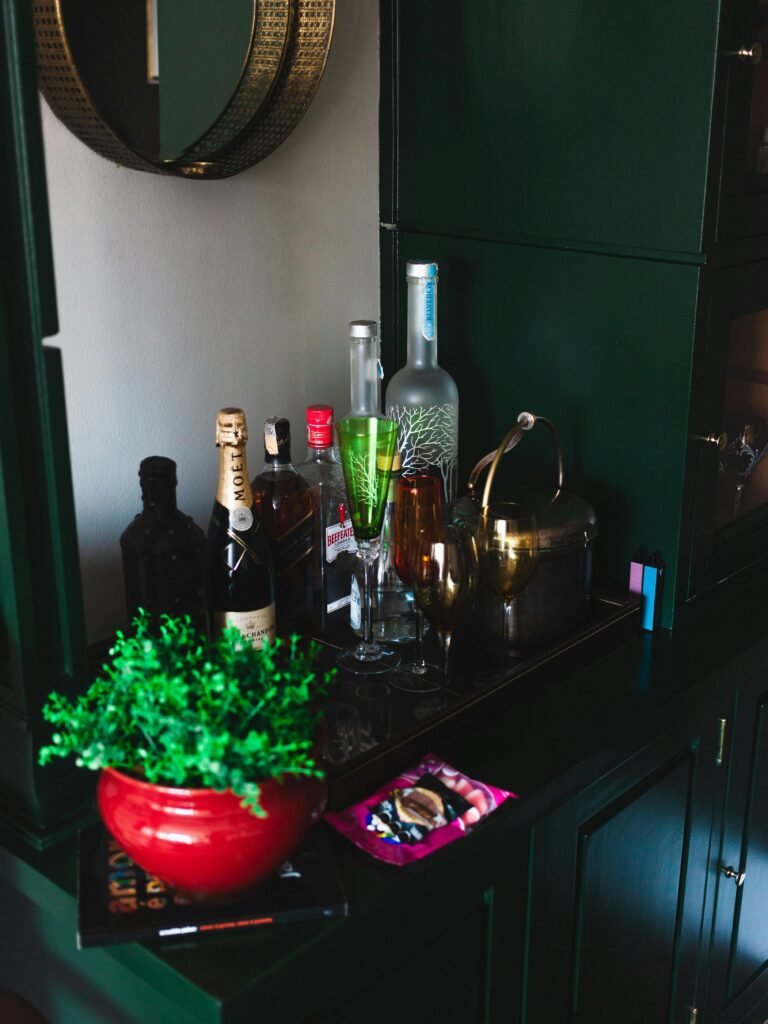
One of the easiest ways to make a birthday brunch party at home feel like an event is to set up a small drink station.

Instead of serving drinks individually, create a self serve area where guests can help themselves. It instantly makes the gathering feel relaxed and social.

You could include:

  • Coffee or cold brew
  • Tea options
  • Orange juice or fresh juice
  • Sparkling water
  • A simple mimosa station

A drink station also frees you up to enjoy your own party instead of constantly refilling cups.

birthday brunch party at home

Set a Soft and Inviting Table

A birthday brunch party at home does not need elaborate decor. A few thoughtful elements can completely transform the space.

Focus on texture and small details that make the table feel warm and welcoming.

Some easy styling ideas include:

  • Linen napkins or cloth napkins
  • Fresh flowers in a small vase
  • A wooden serving board for pastries
  • Neutral ceramic plates
  • Candles if the brunch extends into late afternoon

Even one small bouquet of flowers in the centre of the table can elevate your birthday brunch party at home.

Add One Signature Dish

Instead of cooking many complicated dishes, choose one item that becomes the highlight of the brunch.

This could be:

  • A baked French toast casserole
  • A brunch charcuterie board
  • A pancake stack with fruit and syrup
  • A savoury frittata

Having one signature dish gives your birthday brunch party at home a focal point without requiring you to cook all morning.

birthday brunch party at home

Prepare As Much As Possible the Night Before

The biggest hosting mistake people make is trying to prepare everything on the day of the event.

For a calm and enjoyable birthday brunch party at home, do as much preparation as possible the night before.

You can:

  • Chop fruit
  • Set the table
  • Prepare baked dishes
  • Arrange serving platters
  • Create the drink station

When the morning arrives, all you need to do is heat a few dishes, put out the food, and welcome your guests.

Keep the Atmosphere Relaxed

A birthday brunch party at home works best when the atmosphere feels slow and relaxed.

You do not need a rigid schedule. Let guests arrive gradually, enjoy coffee, and linger around the table.

A few small touches can help set the mood:

  • A soft playlist in the background
  • Natural light from open windows
  • Comfortable seating
  • Simple conversation starters

Remember that the goal of a birthday brunch party at home is not perfection. It is creating a moment where people feel comfortable, welcomed, and celebrated.

Add a Small Birthday Moment

Even though brunch is relaxed, it is still a birthday celebration.

Consider adding a small moment that feels special for the person being celebrated.

This could be:

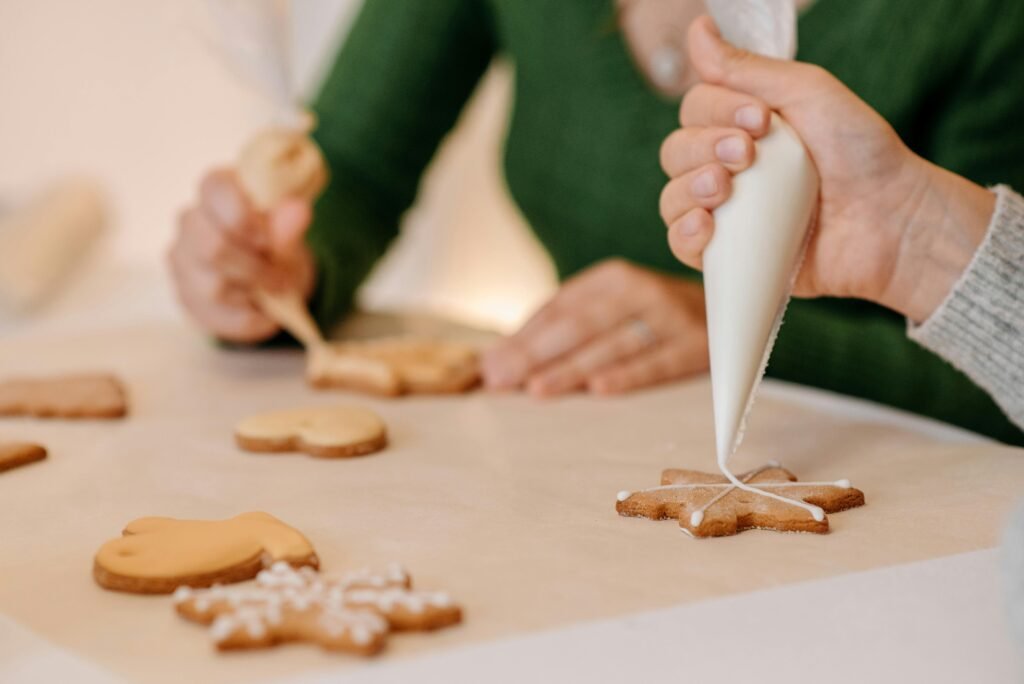
  • A small cake or cupcakes
  • A candle moment during brunch
  • A handwritten birthday card
  • A toast with coffee or mimosas

Sometimes the most memorable part of a birthday brunch party at home is simply pausing for a moment to celebrate the person everyone came together for.

Final Thoughts

Planning a birthday brunch party at home does not require complicated recipes or elaborate decorations. The magic usually comes from the atmosphere you create.

A thoughtful menu, a simple table setup, and a relaxed environment can transform an ordinary morning into a celebration that feels warm and memorable.

If you are hosting soon, try starting with just a few of these ideas. You might be surprised how effortlessly a birthday brunch party at home can come together.

And sometimes the best gatherings are the ones that feel the least complicated.

If you enjoyed this guide, you can read the rest of the blog on Soft Flow Living for more hosting ideas, soft lifestyle inspiration, and simple ways to create beautiful everyday moments.

Travelling in Every Season: What to Expect & How to Prepare

Travelling in Every Season

Have you ever booked a trip thinking “Ah yes, main character energy”… only to arrive underdressed, overpacked, and slightly betrayed by the weather app? Yeah. Same. That’s exactly why Travelling in Every Season deserves a little more respect than a last-minute Google search and vibes.

Every season has its own mood, its own magic, and—let’s be honest—its own problems. Knowing what to expect (and how to prep without losing your mind) can turn a meh trip into a soft, cinematic experience. Whether you’re chasing cherry blossoms, summer beaches, autumn streets, or winter coziness, here’s how to travel gently and intentionally all year round.


Spring Travel: Fresh Air, Layers & Spontaneous Rain

Spring is that hopeful, romantic season where everything feels possible—until it rains out of nowhere. Travelling in Every Season, especially spring, is about flexibility and layers.

The upside? Blossoms, fewer crowds, soft lighting for photos, and mild temperatures. The downside? Unpredictable weather and chilly mornings that turn warm by lunch.

How to prepare (softly):

  • Pack light layers you can peel off easily
  • Comfortable walking shoes (spring = wandering energy)
  • A compact umbrella or trench coat moment
Pack for Spring Break

Think: romantic strolls, café hopping, and letting the day unfold naturally.


Summer Travel: Sunshine, Simplicity & Slow Mornings

Summer travel is the dream everyone advertises—but it can quickly turn into heat exhaustion and overbooking if you’re not mindful. When Travelling in Every Season, summer teaches you to slow down.

Expect longer days, peak crowds, and higher prices. But also expect golden evenings, vibrant street life, and that carefree holiday feeling.

How to prepare (without melting):

  • Breathable fabrics (linen is your best friend)
  • Early-morning sightseeing, chill afternoons
  • Booking popular spots slightly in advance

Summer travel is less about doing everything and more about enjoying one perfect moment fully.


Autumn Travel: Calm, Colour & Quiet Luxury Energy

Autumn is hands-down one of the best seasons for Travelling in Every Season, especially if you love calm beauty and fewer tourists. The colours? Insane. The weather? Chef’s kiss.

Expect crisp mornings, golden afternoons, and destinations that suddenly feel more intimate.

How to prepare (aesthetic but practical):

  • Lightweight knitwear and scarves
  • Neutral, mix-and-match outfits
  • Comfortable boots for leaf-covered streets
Autumn Capsule Wardrobe for travel

Autumn travel is soft life energy with a warm drink in hand.


Winter Travel: Comfort, Intention & Proper Planning

Winter travel isn’t for the faint-hearted—but when done right, it’s magical. Snowy streets, festive markets, quiet resorts… Travelling in Every Season means embracing winter instead of fighting it.

Expect shorter days, slower schedules, and colder temperatures that demand actual preparation (no winging it here).

How to prepare (wisely):

  • Invest in proper outerwear (quality > quantity)
  • Plan indoor activities alongside sightseeing
  • Leave space for rest—winter drains energy faster

Winter travel rewards those who plan with care—and pack thermals.


How Travelling in Every Season Changes Your Travel Style

Here’s the thing: Travelling in Every Season isn’t just about clothes and weather—it shifts your mindset. You stop chasing “perfect conditions” and start appreciating each destination as it is.

Seasonal travel:

  • Encourages slower, more intentional trips
  • Helps you pack smarter over time
  • Makes you more adaptable and present

Instead of forcing summer expectations onto winter destinations (or vice versa), you learn to meet each season where it’s at. That’s where soft travel really lives.


A Gentle Packing Philosophy (That Actually Works)

No matter the season, these rules never fail:

  • Check historical weather, not just forecasts
  • Pack outfits, not random items
  • Leave space—for souvenirs and peace

Travelling in Every Season: The Soft Flow Approach

At Soft Flow Living, travel isn’t about ticking boxes—it’s about alignment. Travelling in Every Season reminds us that every phase has beauty if we prepare with intention and stay open to the experience.

You don’t need the “perfect” weather. You just need the right expectations, a bit of planning, and permission to go gently.


Final Thought

Instead of planning trips around the weather, start planning with it. Try one of these seasonal tips on your next trip—or read the rest of the blog for more soft travel ideas that meet you where you are

A Realistic Weekly Routine for Working Moms Who Want More Family Time

weekly routine for working moms

When Life Feels Like One Long To-Do List

Some weeks feel like a blur of emails, school runs, grocery lists, and half-finished conversations at the dinner table.

I remember looking at my calendar once and realising something uncomfortable. Every hour had a task in it, yet I still felt like I had barely spent real time with the people I loved. The problem was not that I lacked motivation. The problem was that my week had no rhythm.

That is why creating a weekly routine for working moms can be such a powerful shift. It is not about scheduling every second of the day. It is about designing your week so that work, family, and rest all have a place.

A thoughtful weekly routine for working moms helps reduce decision fatigue, protect family time, and create a calm structure that actually supports real life.

Let’s walk through a realistic way to organise your week so that productivity and family time can finally exist in the same sentence.

Start the Week with a Gentle Sunday Reset

One of the easiest ways to create a sustainable weekly routine for working moms is by preparing for the week before it begins.

Sunday evenings can become a quiet reset moment instead of a stressful scramble.

You could spend 30 minutes doing three small things:

• Review your work calendar
• Plan family meals for the week
• Set priorities for the coming days

This short reset keeps Monday from feeling like a chaotic starting line.

Theme Your Days Instead of Multitasking Everything

Many productivity experts suggest grouping similar tasks together rather than constantly switching focus.

Instead of juggling everything daily, try assigning gentle “themes” to each weekday. This idea works beautifully within a weekly routine for working moms because it simplifies decisions.

For example:

Monday: Planning and priority work
Tuesday: Deep work or creative tasks
Wednesday: Meetings and collaboration
Thursday: Errands and admin
Friday: Light work and family planning

The goal is not perfection. The goal is clarity.

When your brain knows what type of day it is, everything becomes easier.

weekly routine for working moms

Protect One Daily Family Anchor

A realistic weekly routine for working moms does not try to maximise every minute of productivity. It protects at least one non-negotiable family moment each day.

This might be:

• Dinner together
• Bedtime reading
• A short evening walk
• Morning school drop-off conversations

Family psychologists often emphasise that consistency matters more than duration. Even a simple shared meal can create strong emotional bonds.

Your daily anchor does not need to be elaborate. It just needs to be protected.

Make Weeknights Easier with Light Meal Planning

Even the best weekly routine for working moms can collapse when dinner becomes a daily crisis.

This is where simple meal planning becomes a quiet lifesaver.

Instead of planning complicated dinners, aim for a simple structure:

• Two quick meals
• Two leftovers or freezer meals
• One relaxed family cooking night

This reduces decision fatigue and makes evenings feel calmer.

And honestly, the goal is not a gourmet kitchen every night. The goal is a peaceful dinner table.

weekly routine for working moms

Create a Midweek Reset Moment

By Wednesday, most routines begin to wobble.

That is why many women benefit from a small midweek reset inside their weekly routine for working moms.

Think of it as a gentle pause rather than a productivity push.

You could spend 15 minutes doing things like:

• Clearing your workspace
• Reviewing unfinished tasks
• Checking family schedules
• Preparing tomorrow’s essentials

A midweek reset keeps small messes from turning into big stress.

Leave Space for a Slow Friday Evening

Not every moment of a weekly routine for working moms should feel structured.

Some of the most meaningful family time happens when there is no plan at all.

Friday evening can become a gentle transition out of the work week.

Ideas might include:

• A relaxed movie night
• Pizza and board games
• Family dessert or baking
• A walk after dinner

The goal is simple.

Let Friday feel like a soft landing.

weekly routine for working moms

Keep the Routine Flexible, Not Perfect

The biggest mistake people make when creating a weekly routine for working moms is assuming it must be followed perfectly.

Real life will interrupt.

Children get sick. Work deadlines appear unexpectedly. Some days simply refuse to cooperate.

A routine is not a rulebook. It is a guide.

Think of it as a gentle structure that helps you return to balance when things feel chaotic.

The beauty of a weekly rhythm is that every Monday offers a fresh start.

A Final Thought

Creating a weekly routine for working moms is not about becoming more productive for the sake of productivity.

It is about protecting the moments that actually matter.

Family dinners. Bedtime stories. Quiet conversations.

When your week has a gentle structure, those moments stop getting squeezed out by endless tasks.

And sometimes the smallest routines end up creating the biggest memories.

If this idea resonates with you, try introducing just one small change this week and see how it shifts the rhythm of your days.

The Best Seasons to Visit Your Favourite Destinations

best seasons to visit destinations

If you’ve ever booked a trip purely based on vibes—sunny photos, cute outfits, main-character energy—only to arrive at a destination that’s either crowded, freezing, or way too expensive, same. Travel inspiration online rarely tells the full story. What they don’t show you is the 45-minute queue for a coffee or the weather app laughing in your face.

That’s why understanding the best seasons to visit destinations can completely change how you travel. Same place, totally different experience—depending on when you go. And if you’re living the Soft Flow life, timing matters. We’re choosing ease, beauty, and intentional travel… not stress and regret.

Let’s talk seasons, vibes, and how to travel smarter—without sucking the joy out of it.


Why Timing Is Everything When You Travel

The best seasons to visit destinations aren’t just about “nice weather.” They’re about atmosphere, affordability, crowds, and how the destination feels. A city can be chaotic in peak summer and magical two months later. Same streets. Different energy.

Travel bloggers like The Blonde Abroad often talk about shoulder seasons for this exact reason—less chaos, more charm. The goal? Travel when the destination can actually breathe.

Think of it as syncing your energy with the place you’re visiting.


Spring: Fresh Starts & Floral Views

Best for: Europe, Japan, parts of the US
Vibe: Romantic, hopeful, Pinterest-coded

Spring is easily one of the best seasons to visit destinations if you love mild weather and pretty scenery without peak-season madness. Cities come alive, cafés spill onto streets, and everything feels soft and fresh.

Why spring works:

  • Comfortable temperatures (no dramatic sweating)
  • Lower prices than summer
  • Blossoms, markets, and cultural festivals
Kitano Tenmangu Shrine in Japan

Soft Flow tip: Pack layers, not bulk. Spring weather likes surprises.


Summer: Iconic but Intense

Best for: Coastal towns, islands, festivals
Vibe: Golden hour, late dinners, loud joy

Summer is popular for a reason—it’s lively, social, and full of memories. But let’s be real: it’s also crowded and expensive. While summer can be one of the best seasons to visit destinations, it works best when chosen intentionally.

Instead of major cities, think:

  • Amalfi outside August
  • Greek islands in early June
  • UK countryside retreats

Soft Flow tip: Travel early summer or late summer to keep the magic, ditch the madness.


Autumn: Soft Life Travel’s Best Kept Secret

Best for: Cities, vineyards, scenic road trips
Vibe: Calm, cosy, introspective

Autumn might just be the most underrated answer when discussing the best seasons to visit destinations. The crowds thin, prices drop, and everything feels slower—perfect for intentional travel.

Why autumn wins:

  • Crisp but comfortable weather
  • Stunning natural colours
  • Better availability for hotels and tours
Bourgogne-Franche-Comté, France

Soft Flow tip: Autumn trips are ideal for solo travel or slow itineraries.


Winter: Quiet, Cozy, or Completely Magical

Best for: Snowy destinations, warm escapes, city breaks
Vibe: Hygge or tropical—choose your fighter

Winter travel isn’t just about snow. For some destinations, winter is actually one of the best seasons to visit destinations because it offers contrast—either festive charm or warm-weather relief.

Two winter travel moods:

  • Cosy winter: Vienna, Prague, New York
  • Winter sun: Cape Town, Dubai, Bali

Soft Flow tip: Book experiences, not packed schedules. Winter travel is about mood.


Shoulder Seasons: The Ultimate Travel Hack

If you remember one thing from this post, let it be this: shoulder seasons are elite. These are the periods between peak and off-peak—and they’re often the best seasons to visit destinations if you want balance.

Why shoulder seasons are unmatched:

  • Fewer tourists
  • Better prices
  • Pleasant weather
  • More authentic experiences

Soft Flow tip: Always Google “best shoulder season for [destination]” before booking flights.


How to Choose the Best Season For You

The best seasons to visit destinations aren’t universal—they’re personal. Ask yourself:

  • Do I want rest or adventure?
  • Do I hate crowds or thrive in them?
  • Am I chasing aesthetics or affordability?

Travel becomes softer when it aligns with your rhythm—not Instagram’s.


Final Thoughts: Travel That Matches Your Energy

Choosing the best seasons to visit destinations is about travelling with intention. When you time it right, everything feels easier—the planning, the experience, even the memories.

Soft Flow Living is about ease, beauty, and presence. Travel should feel the same.

If this post helped you rethink your next trip, read the rest of the blog for more soft, intentional travel inspiration—or try planning your next getaway around the season, not the hype

Airline Safety Tips Before You Book

Airline Safety Tips

Have you ever found yourself scrolling through flight options, heart fluttering at a sale price, only to pause and wonder, “Is this airline actually safe?” I know I have. As much as I love the excitement of planning a trip, airline safety is always at the back of my mind. Before you hit book now, taking a few mindful steps can make all the difference in having a stress-free, stylish travel experience. Today, I’m sharing some essential airline safety tips that have become my travel ritual, helping me fly confidently and comfortably.


Check the Airline’s Safety Record

First things first: don’t just go by the price or fancy branding. Researching the airline’s safety record is crucial. Websites like Aviation Safety Network provide up-to-date records of airline incidents and inspections. Knowing an airline’s history can ease anxiety, especially if you’re flying internationally for the first time. Personally, I like to pair this research with Instagram travel bloggers who post honest reviews about their flights—@thetravelingfashionista often shares tips on airlines that combine safety with comfort.

Review Aircraft Type & Age

Not all planes are created equal. Some older aircraft may lack the latest safety upgrades or cabin comfort. Before booking, look up the aircraft type for your route—this is usually listed on the airline’s booking page. Apps like SeatGuru offer insights into aircraft layouts, safety features, and even which seats are best for your comfort. It’s a small step, but it makes the flight feel a little more secure knowing the plane is well-maintained.

Research Airline Safety Protocols

Especially post-pandemic, airline safety protocols have become a key factor in choosing where to fly. Check how airlines handle cleaning, boarding procedures, and crew training. Some brands, like Delta and Singapore Airlines, publish detailed health and safety guidelines online. Taking the time to review these protocols gives you a sense of confidence before you even step on the plane—and lets you pack any essentials like sanitiser or travel wipes with intention.


Consider Airline Ratings

Airline rating systems from trusted sources can simplify your decision. Skytrax, for example, ranks airlines globally based on safety, service, and customer satisfaction. You don’t have to read every review, but browsing a few ratings can highlight reliable airlines versus those with mixed feedback.


Don’t Skip Travel Insurance

Even if everything seems perfect on paper, unexpected hiccups can happen. Travel insurance may feel like an extra expense, but it’s a vital layer of protection. Many insurance plans cover flight cancellations, medical emergencies, and even trip delays.

Read Real Passenger Reviews

While official ratings are useful, nothing beats hearing from actual passengers. Platforms like TripAdvisor or airline-specific forums offer firsthand accounts of safety experiences, customer service, and even how the airline handles minor emergencies. I like to scroll through recent reviews while sipping coffee at home—it’s like a mini safety audit from the comfort of your sofa. A few minutes here can save a lot of stress later.


Check for Regulatory Compliance

Airlines must adhere to strict regulations in their home countries. Before booking, ensure the airline complies with safety regulations set by international bodies like the International Air Transport Association (IATA). If you’re flying from a country with stricter aviation oversight, it’s often a good sign that the airline maintains high safety standards.


Make a Safety Checklist

Finally, turn your research into a simple checklist before booking. Include: airline safety rating, aircraft type, health protocols, and passenger reviews. This small, curated approach allows you to book confidently, knowing you’ve prioritised safety without compromising style or comfort. It’s like packing your bags with intention—it just makes the journey smoother.


Traveling should feel exciting, not stressful. By following these airline safety tips, you can focus on the joy of the trip—the sights, the food, the experiences—while leaving the worry behind. Remember, a little preparation goes a long way, and feeling safe is part of living a soft, effortless lifestyle.

Try out these tips next time you book a flight, and let your travels be both stylish and secure. For more curated travel advice and lifestyle inspiration, read the rest of the blog here at Soft Flow Living.

Is It Safe to Travel Right Now? A Guide to Travel Advisories

Is It Safe to Travel Right Now

Is It Safe to Travel Right Now? Finding Calm in Travel Decisions

Scrolling through my phone one morning, I paused at a travel alert and felt that familiar flutter of uncertainty. I’d been daydreaming about sipping coffee in a Parisian café or exploring a quiet beach in Bali—but then the question hit me: Is it safe to travel right now?

If you’ve ever felt that mix of wanderlust and worry, you’re not alone. Travel advisories can feel overwhelming, but with a few gentle strategies, you can turn anxiety into clarity. Today, I’m sharing a calm, curated guide to navigating travel safety without panicking.


Start With Trusted Sources

When asking yourself, “Is it safe to travel right now?”, the first step is knowing where to look. Official government websites like the UK Foreign, Commonwealth & Development Office or the U.S. State Department provide up-to-date guidance on country-specific risks.

Tip: Bookmark these pages before planning any trip. That way, you can quickly check travel alerts without falling down an endless news rabbit hole.


Understand the Level of Risk

Travel advisories often include colour-coded or descriptive levels: low, moderate, high, or do-not-travel. Knowing what these mean is crucial.

For example, a “moderate” risk doesn’t mean danger around every corner—it may simply suggest minor safety precautions, like avoiding certain areas at night or keeping your documents secure.

Tip: Create a simple chart for your own reference. Visual cues help you feel informed without being overwhelmed.


Check Airline & Local Regulations

Even if your destination feels safe, restrictions can vary by airline, airport, and local authorities. Before booking, visit airline websites for current safety measures and travel requirements, including mask policies, vaccination proof, or PCR tests.

Tip: Sign up for alerts from your airline. A sudden change in rules can disrupt your plans, but a timely email keeps you prepared and calm.


Factor in Health & Personal Comfort

Safety isn’t just about politics or natural disasters—it’s also about your own health and comfort. If you feel anxious about crowds, long flights, or unfamiliar medical systems, that’s valid.

Tip: Choose destinations that match your comfort level. For example, small towns, boutique resorts, or private villas often offer a more controlled and peaceful experience.


Plan With Flexible Options

One way to ease travel anxiety is building flexibility into your plans. Many hotels and airlines now offer free cancellations or date changes, so you can adjust without financial stress.

Tip: Keep a travel checklist and update it weekly. Simple, organised planning turns uncertainty into confidence.


Use Travel Advisories as a Guide, Not a Rule

Finally, remember: advisories are guides, not ultimatums. While staying informed is important, it doesn’t mean you can’t travel at all. Think of advisories as a way to make informed, stylish choices—whether it’s avoiding late-night outings or carrying essential safety apps like SmartTraveler.

Tip: Pair information with inspiration.


Calm Travel Is Stylish Travel

As I sipped my tea and revisited my Paris dream, I realised that asking, “Is it safe to travel right now?” isn’t about fear—it’s about preparation and self-care. Travel advisories don’t have to dim wanderlust; they can enhance it, helping you make informed decisions while keeping your trips safe and serene.

If you take one thing from this guide, let it be this: informed planning and gentle awareness are the keys to confident travel. Start with trusted sources, consider your comfort, and always plan with flexibility. Soon enough, that dream trip won’t just be safe—it’ll be absolutely radiant.


Read the rest of the blog for curated travel tips and inspiration to plan your next worry-free adventure.

Relaxed Everyday Outfits for Couch to Coffee Days

Relaxed Everyday Outfits

Affiliate Disclaimer:
This post may contain affiliate links. If you purchase through these links, I may earn a small commission at no extra cost to you. I only recommend services I genuinely trust and believe will make your life easier. Thanks for supporting my blog!

There are mornings when all I want is to stay wrapped up on the couch with a cup of tea, scrolling through Instagram, and letting the world wait. But sometimes, life calls for a quick coffee run, a casual meet-up, or even a stroll around the neighbourhood. That’s when I’ve learned the magic of relaxed everyday outfits—the kind that let you feel cozy, put-together, and effortlessly stylish, all at once.

If you’ve ever stared at your wardrobe wondering how to make comfort look chic, you’re not alone. Here’s my curated guide to putting together relaxed outfits that work beautifully for both lounging and stepping out.


1. The Luxe Lounge Set

Nothing screams comfort like a matching lounge set—but it doesn’t have to feel lazy. A soft cashmere or jersey set in neutral tones can instantly elevate your couch-to-coffee look.

Tip: Add a delicate chain necklace or hoop earrings to make a lounge set feel polished without losing comfort. This approach transforms basic homewear into stylish street-ready attire.


2. Oversized Sweater + Slim Pants

Oversized sweaters are a wardrobe hero for relaxed everyday outfits. Pair them with slim-fit jeans, leggings, or tailored joggers to balance the volume on top. The contrast makes the outfit feel intentional and stylish.

Tip: Roll up the sleeves slightly or tuck the front hem into your pants for a relaxed yet curated vibe.


3. Midi Dress Meets Sneaker Comfort

Who says dresses are only for formal occasions? A soft, knit midi dress paired with clean white sneakers is my go-to for a coffee run. It’s comfortable, feminine, and requires minimal styling.

Tip: Throw on a lightweight cardigan or denim jacket for extra warmth and dimension.


4. Cardigans as Statement Layers

A longline cardigan can take any basic outfit from “meh” to “made for the street style feed.” Pair it with a simple tee, skinny jeans, and loafers or sneakers.

Tip: Experiment with belting your cardigan for a more structured silhouette, which adds a little sophistication without sacrificing comfort.


5. Athleisure Done Right

Leggings, oversized hoodies, and trendy sneakers are obvious choices for comfort—but there’s an art to making them look stylish. Think matching colour palettes, sleek fabrics, and minimal logos.

Tip: Swap your hoodie for a cropped sweatshirt or fitted top to keep the outfit flattering while staying cosy.

Final Thoughts

The best part about relaxed everyday outfits is that they don’t force you to choose between comfort and style. Whether it’s a lounge set, oversized sweater, midi dress, or athleisure look, you can effortlessly transition from a lazy morning on the couch to a quick coffee date, feeling stylish and serene.

Try one of these ideas today, and see how small wardrobe tweaks can make your everyday outfits feel more curated and intentional. Your comfort doesn’t have to be sacrificed for style—it can actually be the key to it.

Read the rest of the blog for more outfit inspiration and style tips that make your everyday flow soft and chic.

Travel Safety & Advisory 101: How to Check If a Destination Is Safe Before You Book

travel safety advisory

There’s that moment. You’re deep in Pinterest, emotionally attached to a linen outfit you haven’t bought yet, imagining yourself sipping something iced under a foreign sun… and then it hits you: Wait. Is this place actually safe?
Welcome to adult travel planning

I learned early on that vibes alone are not a travel safety advisory. Aesthetic photos don’t tell you about political unrest, neighbourhood safety, or whether public transport shuts down at 6pm and leaves you stranded in a maxi dress. So before I book anything, I run through a simple travel safety advisory check — calm, curated, and zero panic.

This is your soft-but-smart guide to checking a travel safety advisory before you book, without spiralling or ruining the excitement.


Start With Official Travel Safety Advisories (Not TikTok)

Before Instagram, there were governments. Boring? Yes. Useful? Extremely.

Your first stop should always be an official travel safety advisory from a trusted government source. Think:

  • UK Foreign Office (FCDO)
  • US State Department
  • Australian Smart Traveller

These advisories cover things social media won’t: crime levels, health risks, protests, natural disasters, and entry requirements. The key is context — a Level 2 advisory doesn’t mean “don’t go”, it usually means “be aware, not reckless”.

For clear, plain-English breakdowns, the UK Foreign Office website does this really well. It’s factual, not dramatic — elite behaviour.


Zoom In: City-Specific Safety Matters

A country can be safe overall and still have areas you should absolutely not wander into with your camera and oat milk latte.

This is where smart travellers level up their travel safety advisory game by researching:

  • Specific cities
  • Neighbourhood safety
  • Transport hubs

Pro tip: Google
“Is [city name] safe for tourists”
and skip the fear-mongering forums. Look for recent blog posts or expat-led guides.


Check Recent News (But Don’t Doom-Scroll)

You don’t need to become a foreign affairs correspondent — just scan headlines.

Search the destination on Google News and look for:

  • Ongoing protests
  • Transport strikes
  • Weather-related disruptions
  • Health advisories

If the news is calm and boring? That’s a green flag.


Use Social Media as a Reality Check, Not a Rulebook

TikTok and Instagram are not a travel safety advisory guide, but they are great for seeing real-time vibes.

Search:

  • “Living in [destination]”
  • “Solo travel [destination] safety”
  • “Things I wish I knew before going to…”

Check what locals and recent travellers are saying. When the same safety issue is mentioned repeatedly, that’s a signal to take seriously.


Read Hotel Reviews Like a Detective 🕵🏽‍♀️

Where you stay affects how safe you feel — and that matters.

When reading reviews, don’t obsess over décor. Look for:

  • Mentions of neighbourhood safety
  • Accessibility at night
  • Transport access
  • Front desk security

Tripadvisor reviews often spill tea people wouldn’t post on Instagram. Booking.com reviews are great for consistency patterns.

A solid accommodation choice supports your overall travel safety advisory strategy more than you think.

Understand Cultural & Legal Safety Basics

Safety isn’t just about crime — it’s also about cultural awareness.

A good travel safety advisory includes:

  • Dress expectations
  • Behaviour laws
  • Photography rules
  • Alcohol or substance restrictions

Respect is a safety tool.


Trust Data and Discernment

Here’s the truth: no destination is 100% safe. Not London or Paris. Not even your own city.

A travel safety advisory helps you make informed choices, not fearful ones. If official sources say “exercise normal precautions” and real travellers are still going, enjoying, and thriving? You’re probably okay.

Preparation ≠ paranoia. It’s self-respect with Wi-Fi.


Final Thoughts: Soft Life, Smart Choices

Checking a travel safety advisory doesn’t take the magic out of travel — it protects it. The goal is to arrive relaxed, not rattled. Confident, not clueless.

Let the planning be calm, the research intentional, and the trip beautifully uneventful (in the best way).

Read the rest of the blog for more Travel Flow guides that keep things soft, stylish, and sensible — or try one of these tips today before your next booking.

Seasonal Fashion Staples Every Soft Life Enthusiast Needs

seasonal fashion staples

Affiliate Disclaimer:
This post may contain affiliate links. If you purchase through these links, I may earn a small commission at no extra cost to you. I only recommend services I genuinely trust and believe will make your life easier. Thanks for supporting my blog!

There’s that moment every season when you stand in front of your wardrobe, coffee in hand, thinking: I have clothes… but do I have outfits? You want to look put-together, soft, and stylish — without feeling like getting dressed is a full-time job. That’s where seasonal fashion staples quietly save the day.

The soft life isn’t about chasing trends or rebuilding your wardrobe every three months. It’s about choosing seasonal fashion staples that flow with your life, your mood, and the weather — pieces that mix easily, feel good on your body, and look effortlessly curated. Let’s break down the seasonal fashion staples every soft life enthusiast actually needs, season by season, without the drama.


Why Seasonal Fashion Staples Matter for Soft Living

Before we get into the specifics, let’s be real: soft living needs ease. Seasonal fashion staples help you get dressed with less decision fatigue, fewer impulse buys, and way more confidence.

Think of them as your wardrobe’s main characters — reliable, stylish, and always ready. Fashion creators like Alyssa Coscarelli from The Everygirl often talk about investing in versatile, season-proof pieces that can be styled up or down. Her blog is a great place to explore visual outfit inspiration and capsule-style thinking.


Spring: Light Layers That Feel Like a Fresh Start

Spring fashion is all about softness with structure. You want layers, but nothing heavy or restrictive.

Key Spring Fashion Staples:

Soft tip: Choose breathable fabrics like cotton or linen blends so your layers feel light, not suffocating.


Summer: Effortless Pieces That Breathe

Summer calls for seasonal fashion staples that keep you cool while still looking intentional. Nobody wants to feel sticky and unstylish.

Key Summer Fashion Staples:

Soft tip: Stick to neutral or muted tones so everything mixes effortlessly when it’s too hot to think.


Autumn: Cozy, Calm, and Put-Together

Autumn is where seasonal fashion staples really shine. Layers come back, textures matter, and outfits feel grounded and intentional.

Key Autumn Fashion Staples:

Soft tip: Build outfits around warm neutrals like camel, taupe, and soft grey for an instantly cohesive look.


Winter: Warmth Without Losing Your Style

Winter dressing doesn’t have to mean bulky or boring. The right seasonal fashion staples let you stay warm and soft.

Key Winter Fashion Staples:

Soft tip: Prioritise fit over trends — a well-fitted coat makes everything underneath look intentional.


Year-Round Staples That Anchor Every Season

Some seasonal fashion staples work quietly all year, anchoring your wardrobe no matter the weather.

Soft Life Essentials:


Building a Soft Life Wardrobe, Not a Trend Closet

The secret isn’t owning more — it’s owning better. When you focus on seasonal fashion staples, getting dressed becomes calmer, quicker, and way more enjoyable.

Instead of asking, What’s trending? try asking, What will support my life this season? That mindset shift alone is peak soft living.


Final Thoughts

Your wardrobe should support your softness, not stress you out. Thoughtfully chosen seasonal fashion staples help you move through the year feeling grounded, stylish, and at ease — no frantic shopping required.

Try choosing one staple this season and building three outfits around it.
Want more calm, curated lifestyle inspiration? Read the rest of the blog and explore Soft Flow Living.

10 Red Flags in Friendships I Wish I Didn’t Ignore

red flags in friendships

There was a time when I thought feeling uncomfortable in a friendship was just part of being “loyal.” I told myself that every relationship has ups and downs, that maybe I was just overthinking things. But deep down, something always felt off. If you’ve ever questioned a friendship but brushed it aside, this might feel familiar. Learning to recognise red flags in friendships isn’t about becoming guarded or cold. It’s about protecting your peace and choosing connections that feel safe, mutual, and genuine.

1. You Feel Drained After Spending Time Together

Not just tired, but emotionally exhausted. You leave conversations replaying everything in your head, wondering why you feel so heavy. Friendships should feel like a place to exhale, not somewhere that constantly takes from you.

2. Everything Somehow Becomes About Them

You share something important, and within seconds, the focus shifts back to them. Over time, you notice a pattern. Your stories get shortened. Your feelings get overlooked. It starts to feel like you’re just there to listen, not to be heard.

3. Subtle Competition Instead of Support

It’s not always obvious. It can sound like backhanded compliments or quiet comparisons. Instead of celebrating your wins, there’s a strange tension. You start to feel like you need to dim yourself to keep things comfortable.

4. They Don’t Respect Your Boundaries

You say no, and they push. You express discomfort, and they minimise it. Healthy friendships respect limits without making you feel guilty for having them.

5. Feeling Like You’re Walking on Eggshells

You overthink your words. You rehearse conversations in your head. It sometimes feels like you adjust your personality depending on their mood. That constant tension is a sign that something isn’t right.

red flags in friendships

6. They Only Show Up When It’s Convenient

They’re unavailable when you need support but suddenly present when they need something from you. The connection starts to feel one-sided, like you’re the only one consistently showing up.

7. They Speak Negatively About Others Often

It might feel harmless at first, even bonding. But over time, you start to notice a pattern. If they speak about others this way, it’s worth asking what they might say about you when you’re not around.

8. You Feel Like You Have to Earn Their Friendship

You find yourself trying harder, giving more, proving your worth. Friendship shouldn’t feel like a performance or something you have to qualify for.

9. They Dismiss Your Feelings

When you open up, your emotions are brushed off or turned into something small. You leave conversations feeling misunderstood or even a bit silly for sharing in the first place.

10. You Don’t Feel Like Yourself Around Them

This one is subtle but powerful. You notice that you’re not fully relaxed. You’re holding parts of yourself back. The version of you in that friendship doesn’t feel like your true self.

red flags in friendships

What are early signs of a toxic friendship?

Early signs can be easy to overlook because they often feel small at first. It might be a comment that doesn’t sit right, a pattern of cancelled plans, or a feeling of being overlooked. When these moments repeat, they start to form a bigger picture. Trusting your initial instincts can help you recognise when something isn’t aligned.

How do you know if a friendship is one-sided?

A one-sided friendship often feels like you’re doing most of the emotional work. You’re the one reaching out, checking in, making plans, and offering support. Over time, you might notice that this effort isn’t returned in the same way. Balance doesn’t have to be perfect, but it should exist.

Is it okay to outgrow a friendship?

Yes, it is. Growth naturally shifts what you need and what you’re drawn to. Outgrowing a friendship doesn’t mean it was never real. It simply means it no longer fits who you are becoming.

Learning to Trust Yourself Again

Looking back, many of these red flags in friendships were always there. The difference is that I didn’t trust myself enough to acknowledge them. I thought being a good friend meant staying, being patient, and giving people the benefit of the doubt even when it cost me my peace.

But there’s a quiet strength in recognising when something no longer feels right and choosing to step back. Not with anger, not with drama, but with clarity.

Creating Space for Healthier Friendships

Letting go of unhealthy dynamics creates space for something better. Friendships that feel safe, balanced, and supportive. The kind where you can be fully yourself without overthinking every word or action.

If you’re starting to notice these patterns, you don’t need to rush into decisions. Just begin by paying attention. Your feelings are information, not something to ignore.

You deserve friendships that feel light, not heavy. Supportive, not competitive. Consistent, not conditional.

Try this today: Think about how you feel after your most recent interaction with a friend. That feeling can tell you more than you realise.