
Healthy Work-Life Balance Tips for Working Moms in Busy Seasons

work-life balance for working moms

There are seasons when life feels like a juggling act. Work deadlines pile up, the house needs attention, and family life keeps moving whether you are ready or not. I have often wondered how working mothers manage it all without feeling completely overwhelmed.

Finding a work-life balance for working moms is not about doing everything perfectly. It is about creating small systems that protect your energy, simplify daily routines, and make space for the things that truly matter.

Busy seasons will always come and go. The goal is not to eliminate them. The goal is learning how to move through them with intention, calm, and a little bit of grace.

Below are a few thoughtful ideas that can help working mothers maintain balance even when life gets busy.

Create gentle routines that support your work-life balance for working moms

One of the simplest ways to stay grounded during busy seasons is through predictable routines.

Routines reduce decision fatigue. Instead of constantly figuring out what to do next, your day naturally flows from one activity to another.

Try building a soft routine around anchor points in your day.

For example:

  • Morning preparation before the household wakes up
  • Focused work hours with fewer distractions
  • A consistent evening wind-down with family

These anchors make busy weeks feel more manageable without turning your life into a rigid schedule.

Protect focused work blocks

One of the biggest challenges for working mothers is constant interruption.

Between messages, emails, family needs, and house tasks, it becomes difficult to focus deeply on work.

Protecting a few uninterrupted blocks of time each day can dramatically improve productivity and reduce stress.

A simple approach could be:

  • Two or three 45 minute focused work sessions
  • Short breaks between them
  • One longer break for family or personal time

When work becomes more efficient, the rest of your day feels lighter.

work-life balance for working moms

Simplify meals during busy weeks

Food planning often becomes stressful when schedules are full.

Busy working mothers benefit greatly from simple meal systems instead of daily cooking decisions.

During demanding weeks, consider strategies like:

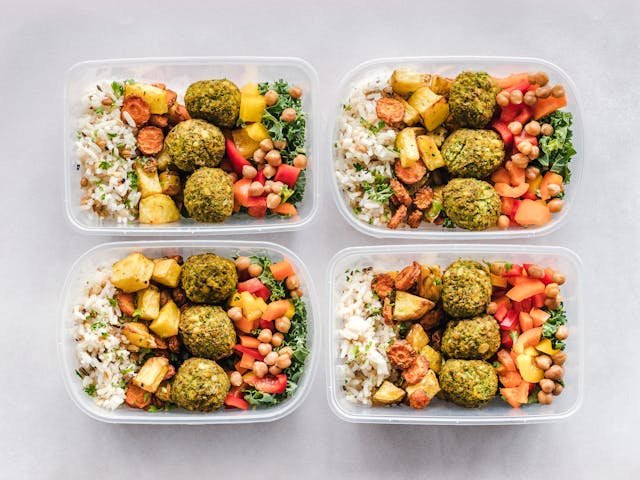
  • Preparing one or two meals in advance
  • Choosing recipes with minimal ingredients
  • Repeating a few family favourites during the week

Consistency in meals removes one major stress point from your routine.

Why do busy seasons feel overwhelming for working moms?

Busy seasons usually feel overwhelming because multiple responsibilities peak at the same time.

Work projects intensify, family schedules become packed, and household tasks still need attention.

When everything demands energy simultaneously, mental fatigue appears quickly.

One helpful strategy is adjusting expectations during these periods. Not every area of life needs to operate at full capacity every week.

Some weeks are for career focus. Others may lean more toward family or rest. Allowing this flexibility helps protect long term balance.

Use small resets throughout the day

Many people think work-life balance requires big lifestyle changes. In reality, small resets throughout the day can make a huge difference.

Examples of daily resets include:

  • A short walk after work calls
  • Five minutes of quiet before dinner
  • A device free moment in the evening

These simple pauses allow your mind to reset before moving into the next responsibility.

work-life balance for working moms

How can working moms avoid burnout?

Burnout usually builds slowly. It appears when work, family, and personal needs stay out of balance for too long.

Preventing burnout requires paying attention to energy levels rather than simply managing time.

Helpful practices include:

  • Setting clear work boundaries at home
  • Scheduling personal rest time
  • Asking for help when responsibilities grow too heavy

Remember that balance changes with each season

The truth about work-life balance for working moms is that it never looks the same every month.

Some seasons will feel beautifully organised. Others may feel messy and unpredictable.

Both are normal.

Balance is not a perfect daily equation. It is a long term rhythm that adjusts as work, family, and personal priorities shift.

When working mothers allow themselves flexibility, busy seasons become far more manageable.

Instead of striving for perfection, the goal becomes protecting energy, simplifying routines, and staying present with the people who matter most.

Final thoughts

Busy seasons do not have to mean constant stress or exhaustion. With a few thoughtful adjustments, working mothers can create supportive routines that protect both productivity and personal wellbeing.

Small systems, gentle routines, and realistic expectations go a long way.

If you are navigating a demanding season right now, try introducing just one idea from this list and see how it transforms your daily flow.

You do not need a complete life overhaul. Sometimes balance begins with one small change.

How to Use Colour Psychology in Interior Design

colour psychology in interior design

There’s a moment we don’t talk about enough: you walk into your home after a long day and instead of exhaling, your shoulders stay up by your ears. Nothing’s wrong—it just doesn’t feel calm. That’s where colour psychology in interior design quietly steps in. The shades around us influence how we rest, think, and reset, often without us realising. When used intentionally, colour can turn your home into a soft landing place rather than another source of noise.

In this Home Flow guide, I’m sharing light, visually led ways to use colour psychology in interior design to make your space feel more peaceful—without repainting your entire life or turning your home into a beige box.


Why Colour Affects How a Home Feels

Colour psychology looks at how different hues influence mood and behaviour. In homes, this matters because each room carries a purpose: rest, connection, focus, creativity. Colour psychology in interior design helps you match the feeling you want with the colours you see daily.

colour psychology in interior design

Soft Neutrals: Calm Without the Cold

Neutrals get a bad rep for being boring, but soft neutrals are peace in colour form. Think warm whites, oat milk beige, greige, and light taupe. These tones reduce visual noise and create a gentle backdrop for everyday life.

Try this: Use soft neutrals on your largest surfaces (walls, rugs, curtains) to anchor the room.


Blue Tones for Emotional Exhale Spaces

Blue is known for lowering stress and slowing the nervous system. It’s ideal for bedrooms, bathrooms, and reading corners—anywhere you want your body to unclench.

colour psychology in interior design

Try this: Add blue through bedding, ceramics, or a feature wall rather than committing everywhere.


Green for Balance and Grounding

Green connects us to nature, which is why it feels so grounding. It symbolises balance, growth, and restoration—perfect for shared living spaces or home offices.

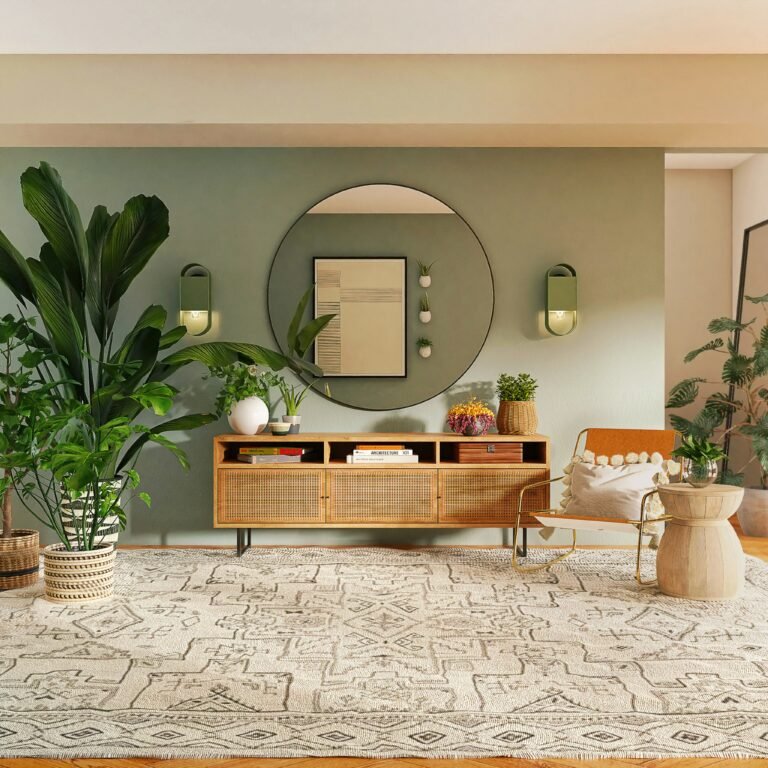
Try this: Incorporate green through painted cabinetry, wall art, or (bonus points) actual plants.


Warm Pastels for Gentle Joy

If neutrals feel too safe and brights feel too loud, warm pastels are your sweet spot. Blush, soft peach, lavender, and buttery yellow add emotional warmth without overstimulation.

Try this: Introduce pastels through cushions, throws, or small furniture pieces you can easily switch out.


Earthy Accents for Visual Stability

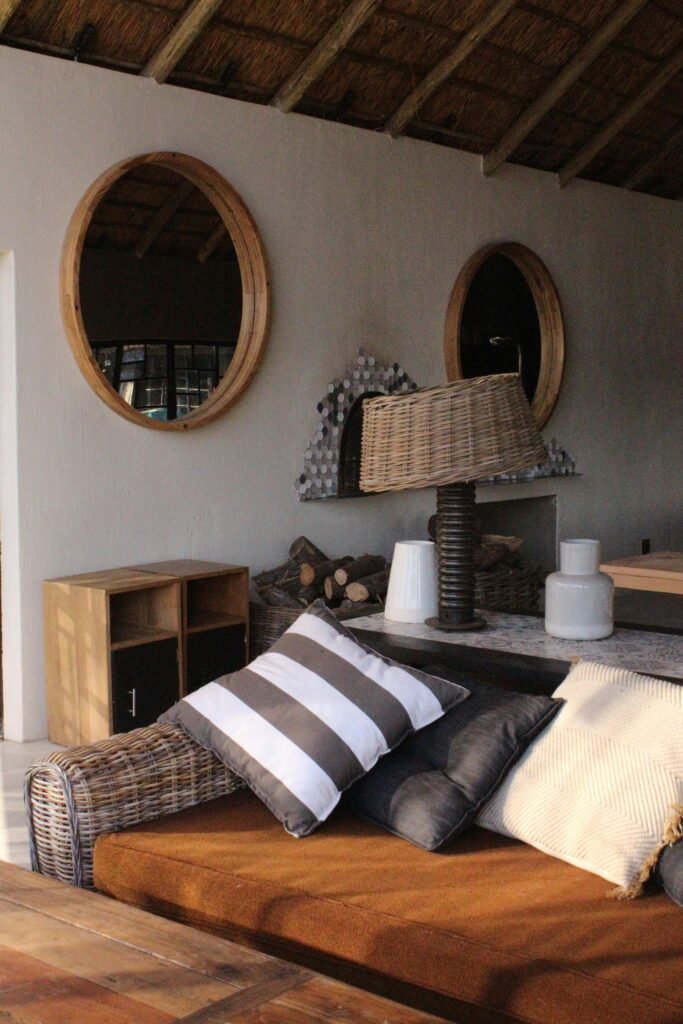
Terracotta, clay, caramel, and soft browns ground a space and make it feel secure. These colours work well as accents rather than main shades, especially in modern homes.

Try this: Think lampshades, vases, books, or wooden furniture rather than walls.


How to Choose Colours Without Overthinking It

A peaceful home doesn’t come from following rules—it comes from awareness. Before changing anything, ask:

  • How do I want to feel in this room?
  • Do I need energy or ease here?
  • Does this colour help or overwhelm me?

Colour in interior design isn’t about perfection; it’s about intention. Start small, observe how you feel, and adjust gently.


Final Thoughts: Peace Is a Palette Choice

Your home should meet you where you are. By using colour psychology in interior design, you’re not just decorating—you’re curating emotional ease. Soft colours, thoughtful accents, and a little curiosity go a long way.

Try one small colour shift this week and notice how your space responds. And if this inspired you, read the rest of the blog for more Home Flow ideas designed to support soft, intentional living.

10 Small Money Habits That Quietly Save You Hundreds

10 Small Money Habits That Quietly Save You Hundreds

I used to think saving money had to feel intense. Spreadsheets, strict budgets, cutting out everything fun. It always felt like I was either “on track” or completely failing. No in-between.

But the truth is, the biggest difference in my finances didn’t come from one big decision. It came from small, quiet habits that didn’t feel like sacrifice. Over time, those tiny shifts added up in ways I didn’t even notice at first.

This is exactly what 10 Small Money Habits That Quietly Save You Hundreds is about. Not restriction. Not pressure. Just simple changes that gently protect your money in the background.

1. Rounding Up Your Spending Without Thinking About It

Every time you spend, mentally round the amount up and treat the difference like it’s already gone.

If something costs R47, tell yourself it was R50. That extra R3 becomes invisible spending space you never rely on. Over time, this creates a natural buffer in your account.

2. Waiting 24 Hours Before Non-Essential Purchases

Not everything needs to be bought immediately, even if it feels urgent in the moment.

Giving yourself a 24-hour pause helps you separate impulse from intention. Most of the time, the “need” fades. And just like that, you’ve saved money without forcing yourself.

10 Small Money Habits That Quietly Save You Hundreds

3. Automating a Small Weekly Transfer

This simply means setting up your bank account to automatically move a small amount of money into your savings every week. It doesn’t need to be dramatic. Even R50 or R100 a week counts.

When it’s automatic, you don’t negotiate with yourself. You don’t overthink it. It just happens quietly in the background, building consistency without effort.

4. Using What You Already Have First

Before buying anything new, pause and ask yourself, “What do I already have that can do the job?”

This applies to food, clothes, skincare, even home items. You’d be surprised how often the answer is already in your space.

5. Unsubscribing From Temptation Emails

Sales emails are not innocent. They are designed to make you feel like you’re missing out.

Unsubscribing removes the constant pressure to spend. Out of sight really is out of budget.

10 Small Money Habits That Quietly Save You Hundreds

6. Setting a “Soft Limit” Instead of a Strict Budget

Strict budgets can feel suffocating. Soft limits feel flexible.

Instead of saying “I can’t spend,” you’re saying “I’d prefer to stay around this range.” That subtle shift makes it easier to stay consistent without feeling restricted.

7. Carrying Snacks or Coffee From Home

This one is small but powerful.

Buying coffee or snacks daily feels harmless, but it adds up quickly. Preparing something simple at home saves money without changing your lifestyle too much.

8. Checking Your Bank App Briefly Each Day

Not obsessively. Just a quick glance.

This keeps you aware of your spending patterns without judgment. Awareness alone often leads to better decisions naturally.

10 Small Money Habits That Quietly Save You Hundreds

9. Having a “No Spend” Day Each Week

Choose one day where you intentionally don’t spend anything.

It creates a reset. A pause. And it helps you realise how often spending is just a habit, not a necessity.

10. Naming Your Savings

Saving feels different when it has meaning.

Instead of “savings,” give it a name. Travel fund. Peace fund. Emergency softness fund. When your money has purpose, you’re more likely to protect it.

Why Do Small Money Habits Make Such a Big Difference?

Because they don’t rely on motivation.

Big financial changes often fail because they demand too much discipline all at once. Small habits slip into your routine quietly. They don’t disrupt your life, which makes them easier to maintain long term.

And consistency always wins over intensity.

How Can I Save Money Without Feeling Restricted?

Focus on reducing friction, not joy.

Instead of cutting everything out, adjust how and when you spend. Delay purchases. Create small boundaries. Remove temptation. These shifts protect your money without making your life feel smaller.

Are Small Habits Really Enough to Save Hundreds?

Yes, because repetition does the heavy lifting.

A few rand saved daily might feel insignificant. But over weeks and months, it adds up faster than you expect. The key is not the size of the habit, it’s the consistency behind it.

A Softer Way to Think About Money

Saving money doesn’t have to feel like punishment. It can feel calm. Supportive. Even empowering.

When your habits are gentle and realistic, they become part of your lifestyle instead of something you constantly resist.

If you’ve been trying to get your finances together without burning out, start here. Small shifts. Quiet consistency. Real results.

Try one or two of these habits this week and see how it feels. Not perfect. Just better.

Curly Hair Styles That Fit a Soft, Balanced Life

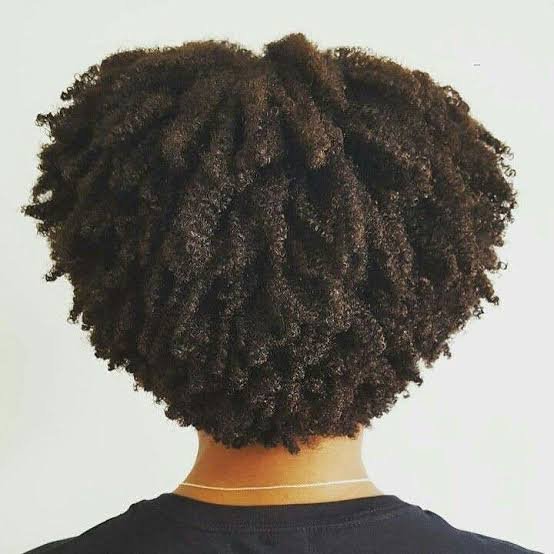
Curly Hair Styles

Affiliate Disclaimer:
This post may contain affiliate links. If you purchase through these links, I may earn a small commission at no extra cost to you. I only recommend services I genuinely trust and believe will make your life easier. Thanks for supporting my blog!

Curly Hair Styles That Feel Like You

Some days, I wake up staring at my curls in the mirror, wondering if today will be a “perfect curl” kind of day—or a full-on frizz situation. Anyone else? Living a soft, balanced life doesn’t mean everything is effortless, but it does mean creating routines and styles that make your mornings smoother, your confidence higher, and your curls as expressive as your mood. That’s why I’ve curated some of my favourite curly hair styles that fit into a soft, balanced lifestyle—styles that feel polished without the stress.


1. The Wash-and-Go Wonder

For mornings when time is short but style is non-negotiable, the classic wash-and-go is a lifesaver. With just a little curl cream or gel, you can define your natural texture and let your curls do their thing. The key is moisture: hydrated curls look effortlessly chic and soft, not crunchy.

Tip: Sleep with a satin bonnet to keep the curls defined overnight—your morning self will thank you.


2. Soft Layered Cuts

Layered cuts add movement and dimension to curls without overwhelming your look. They give volume in the right places and prevent the dreaded triangle head shape that sometimes happens with heavy curly hair. Layers also make everyday styling feel lighter—perfect for a life that balances self-care with productivity.

Tip: Ask your stylist for long, face-framing layers to keep the softness in your overall look.


3. Half-Up, Half-Down Elegance

This style is my go-to when I want a polished look without full commitment. It’s perfect for both work-from-home days and weekend brunches. You can twist, braid, or clip the top half while letting the rest cascade freely. It’s playful yet refined, a soft statement that your curls are in charge—but with a little control.

Tip: Use a soft scrunchie or a silk hair tie to prevent breakage and maintain curl integrity.


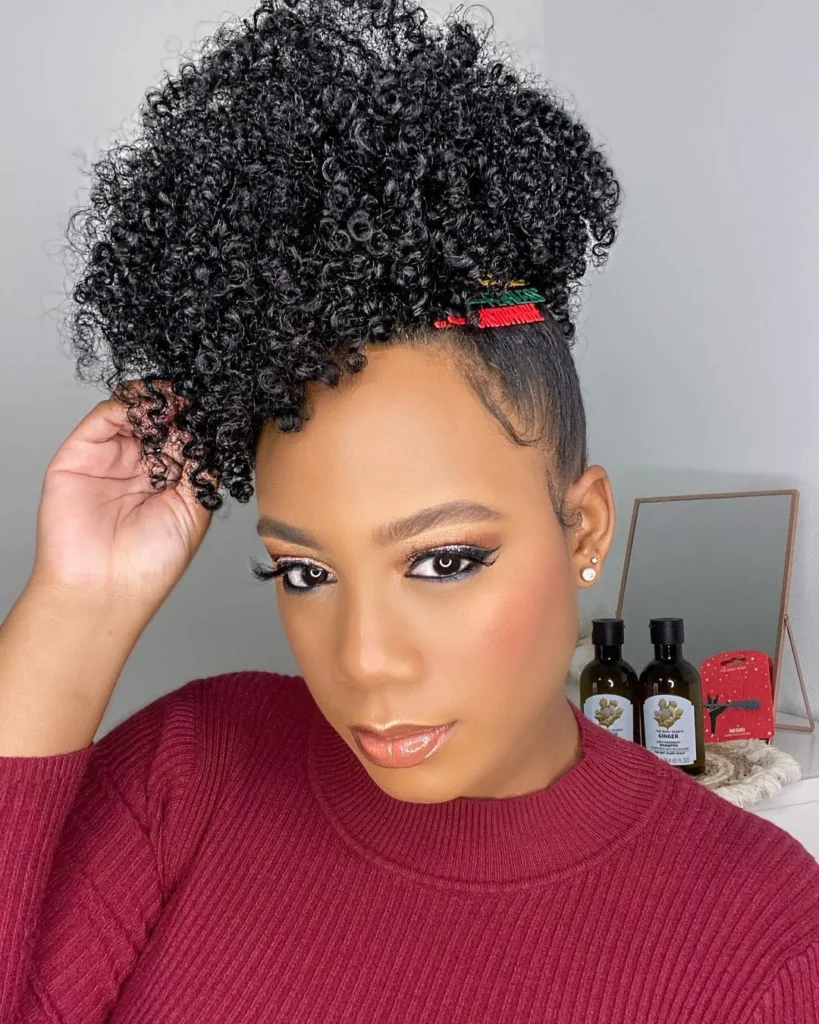
4. High Puff or Pineapple Updo

High puffs or the pineapple updo aren’t just for bedtime—they’re chic, protective, and extremely low-maintenance. This style keeps curls hydrated and prevents tangling while still looking fashionable. Perfect for a soft morning routine when you want style without the hassle.

Tip: Pair with a statement earring or scarf to elevate the look effortlessly.


5. Defined Twists and Braids

Twists and braids are a classic for a reason—they protect your curls and reduce styling stress. From simple two-strand twists to more intricate braid styles, these options let your curls rest while still looking intentional. Plus, they make wash days easier.

Tip: Moisturise curls before twisting for soft, touchable results that last all day.


Practical Tips for a Soft Curly Hair Routine

  • Moisture is key: Keep a lightweight leave-in or curl cream in your routine. Hydrated curls are happier curls.
  • Minimal heat: Embrace air-drying or diffuse on low heat to preserve your curl pattern.
  • Protect at night: Satin pillowcases and bonnets reduce friction, preventing breakage and frizz.
  • Simple accessories: Soft clips, scrunchies, or scarves can elevate any look while keeping your curls intact.

Curly hair doesn’t have to be complicated, and it certainly doesn’t have to fight your soft, balanced lifestyle. With a few go-to styles, a touch of hydration, and some inspiration from the creators mentioned above, you can let your curls shine without the overwhelm.

Try out one of these curly hair styles today and notice how even your morning routine can feel soft, intentional, and stylish.

Want more curated inspiration for your curls and lifestyle? Read the rest of the blog and start creating your soft, balanced morning routine today!

Meal Planning for Working Moms: How to Simplify Your Entire Week

Meal planning for working moms

Some evenings feel like a race against the clock. You close your laptop, glance at the time, and suddenly realise dinner still needs to happen. The fridge looks random. The kids are hungry. And your brain is already tired from the workday.

I used to think the solution was cooking faster. But the real solution turned out to be meal planning for working moms. Not the complicated kind with colour-coded spreadsheets. Just a simple rhythm that makes weeknights calmer and weekends more enjoyable.

If your evenings often feel rushed or chaotic, a gentle weekly plan can transform how your household runs. It reduces last-minute decisions, helps you shop smarter, and brings a little more peace to the dinner table.

Here are a few simple ways to make weekly meal planning feel lighter and easier.

Start With a Simple Weekly Food Rhythm

One of the easiest ways to remove stress from dinner decisions is creating a loose structure for the week. Instead of asking “What should we cook tonight?” you already have a general direction.

For example:

  • Monday: Pasta night
  • Tuesday: Quick stir fry
  • Wednesday: Leftovers or simple bowls
  • Thursday: Sheet pan meal
  • Friday: Takeaway or easy comfort food

This rhythm keeps planning simple while still leaving room for creativity.
The goal is not perfection. It is simply removing daily decision fatigue.

Plan Meals Around Your Busiest Days

One of the biggest mistakes with weekly food planning is treating every day the same. Some evenings are naturally busier than others.

If Wednesdays include late meetings or school activities, that is not the day for a complicated recipe.

Instead, schedule meals based on your energy levels.

Examples:

  • Busy days: wraps, sandwiches, salads, or leftovers
  • Moderate days: quick skillet meals or pasta
  • Relaxed evenings: slower recipes or new meals

Planning meals around your schedule makes meal planning much more realistic.

Meal planning for working moms

What Are the Easiest Meals to Plan for Busy Weeknights?

If dinner takes more than 30 minutes after work, it quickly becomes stressful. The easiest meals are the ones that rely on simple ingredients and minimal cooking steps.

A few reliable ideas include:

  • Grain bowls with roasted vegetables and protein
  • Sheet pan chicken with vegetables
  • Pasta with simple sauces
  • Tacos or wraps with prepared fillings
  • Big salads with bread or couscous on the side

Keeping a small collection of reliable recipes makes weekly planning far easier.

Batch Cooking Makes the Week Feel Lighter

Cooking one extra portion during dinner might feel small, but it makes a huge difference later in the week.

Batch cooking can look like:

  • Making extra rice or couscous
  • Cooking double portions of chicken or mince
  • Preparing chopped vegetables in advance
  • Making sauces that last a few days

Suddenly Tuesday’s dinner becomes Wednesday’s lunch or Thursday’s wrap filling.

Her approach focuses on prepping ingredients rather than full meals, which makes weeknight cooking quicker.

Meal planning for working moms

How Do You Create a Weekly Grocery List That Actually Works?

A thoughtful grocery list is what makes weekly planning successful.

Instead of writing random items, organise your list by meal categories.

For example:

Proteins

  • Chicken
  • Eggs
  • Sardines
  • Beans

Grains

  • Rice
  • Couscous
  • Pasta

Vegetables

  • Tomatoes
  • Broccoli
  • Cucumbers
  • Spinach

Extras

  • Olive oil
  • Herbs
  • Dressings

A clear grocery list saves time, prevents overspending, and makes meal planning for working moms feel manageable.

Meal planning for working moms

Can Meal Planning Still Feel Flexible?

Absolutely. A meal plan should guide your week, not control it.

Some simple ways to keep flexibility include:

  • Swap meals between days
  • Keep one “free night” each week
  • Use leftovers creatively
  • Always have a few quick pantry meals available

The goal is to create support for your routine, not extra pressure.

Think of your plan as a gentle outline rather than a strict rulebook.

Final Thoughts

Meal planning does not need to be rigid, complicated, or time-consuming. Often, the simplest systems are the ones that last.

A loose weekly rhythm, realistic recipes, and a thoughtful grocery list can turn chaotic evenings into calm family dinners.

For many families, meal planning for working moms is less about cooking and more about protecting time, energy, and peace during the week.

Start small. Try planning just three dinners for the upcoming week and see how much easier your evenings feel.

If this guide helped you, explore the rest of the blog for more gentle productivity and lifestyle ideas designed to make everyday life feel smoother.

How to Decorate With Soft, Layered Colours

how to decorate with soft colours

Decorating with soft colours looks dreamy on Pinterest… until you try it in real life and your space suddenly feels a bit meh. Too beige or too flat. Too “is this even finished?”. If you’ve ever loved the idea of calm, layered neutrals but struggled to make them feel intentional, you’re not alone.

The good news? Learning how to decorate with soft colours isn’t about playing it safe — it’s about layering wisely. Soft colour palettes can feel warm, elegant, and quietly luxurious when done right. The magic is in texture, variation, and subtle contrast.

Let’s break it down in a way that feels inspiring, not overwhelming.


Start With a Soft, Anchoring Base

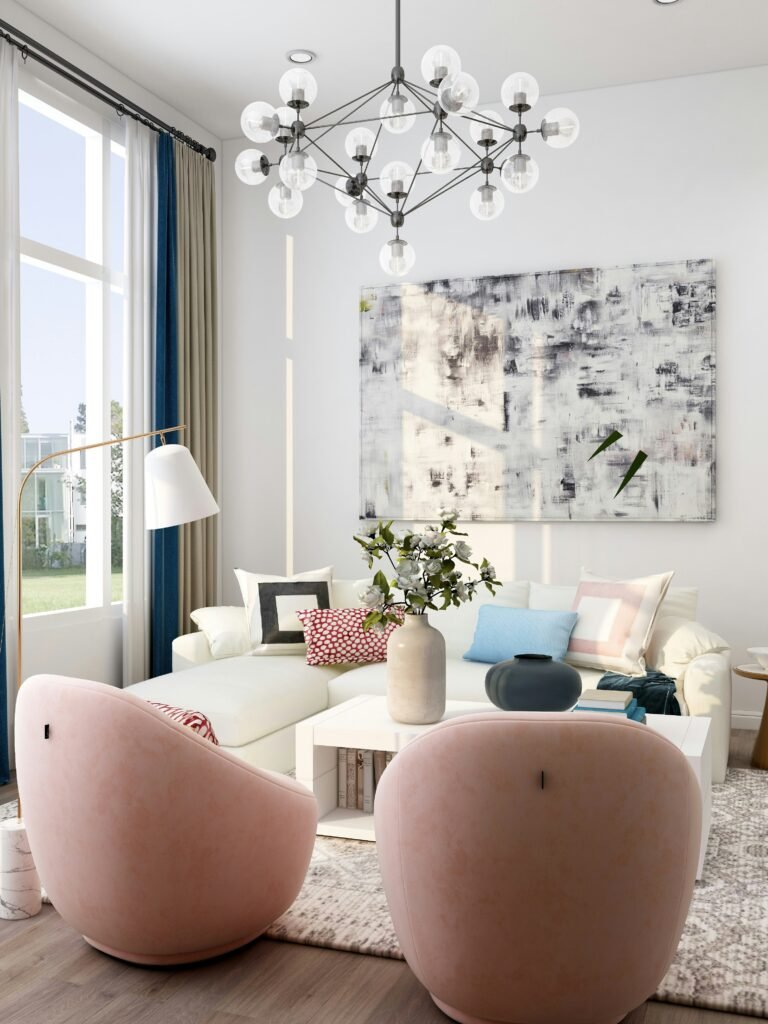
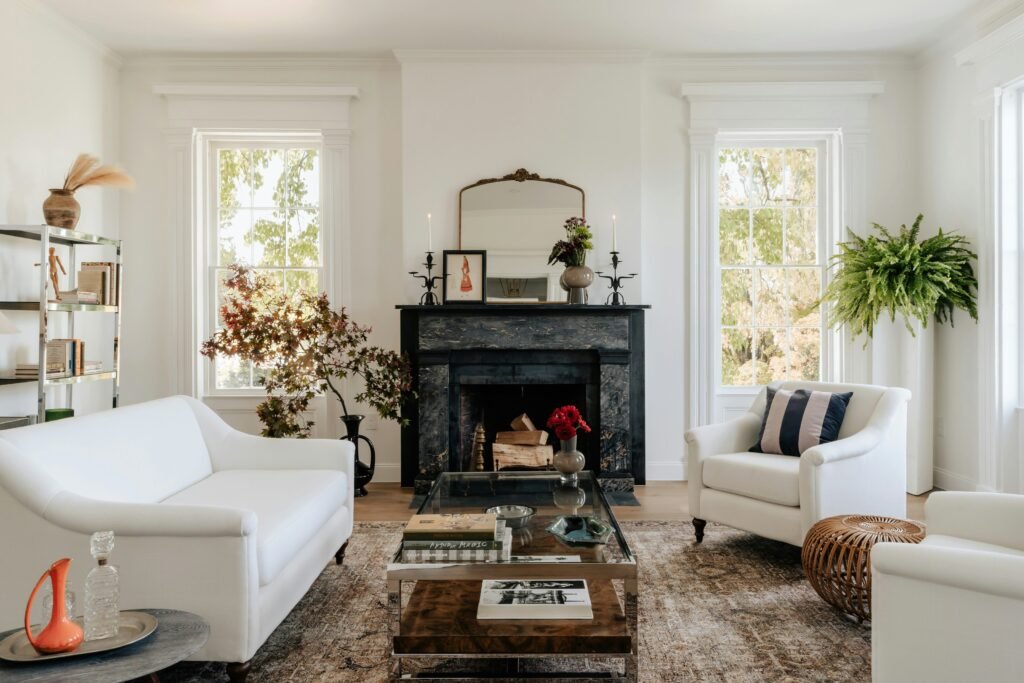
When figuring out how to decorate with soft colours, always start with a neutral base that grounds the space. Think warm whites, oat milk beige, soft greige, or muted stone shades. These tones create breathing room and let the rest of your decor shine.

This doesn’t mean plain or boring. A warm white wall paired with linen curtains or a textured rug instantly adds depth.

Practical tip: Stick to one main base colour per room to keep everything flowing naturally.


Layer Different Shades Within the Same Colour Family

One of the biggest mistakes people make when learning how to decorate with soft colours is using only one shade throughout a room. That’s how spaces end up looking flat.

Instead, layer variations of the same colour. For example:

  • Cream sofa
  • Warm white walls
  • Soft sand cushions
  • Subtle caramel or taupe accents

This creates depth while keeping the palette cohesive.


Add Texture Before Adding Colour

If you’re wondering how to decorate with soft colours without everything blending into one blur, texture is your secret weapon.

Think:

  • Bouclé cushions
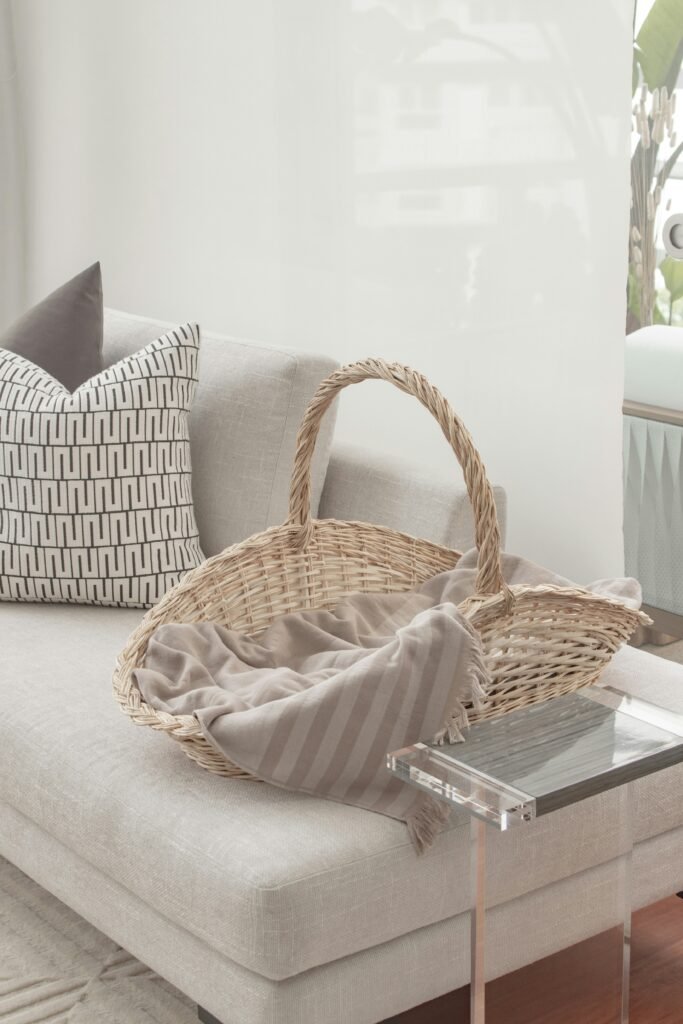
  • Woven baskets
  • Linen throws
  • Ribbed ceramics
  • Natural wood

Texture creates contrast even when colours stay muted. A soft palette with mixed materials feels intentional and lived-in, not bland.


Introduce Contrast Gently (Not Dramatically)

Soft decor doesn’t mean zero contrast. It just means choosing contrast that whispers instead of shouts.

Try:

  • Warm wood instead of black metal
  • Muted olive instead of emerald green
  • Soft clay tones instead of bright terracotta

This is a key step in mastering how to decorate with soft colours — subtle contrast keeps the space grounded and grown-up.


Use Decor Pieces as Your Colour Accents

Rather than painting feature walls or buying bold furniture, let smaller pieces carry your colour story. This keeps things flexible and less commitment-heavy (because tastes change, let’s be real).

Think:

  • Cushions
  • Art prints
  • Ceramics
  • Vases
  • Bed throws

This approach makes how to decorate with soft colours feel playful rather than stressful.


Embrace Natural Light as Part of the Palette

Soft colours come alive in good lighting. Natural light highlights undertones, textures, and layers in ways artificial light just can’t compete with.

If your space gets limited light:

  • Lean towards warmer soft tones
  • Avoid icy whites or grey-heavy palettes
  • Add mirrors to bounce light around

Understanding light is an underrated part of how to decorate with soft colours. Even the prettiest palette can fall flat in the wrong lighting.


Let the Space Feel Calm, Not Perfect

Here’s your permission slip: soft decor doesn’t need to look staged.

A throw slightly draped. A cushion casually leaning. Books stacked instead of styled within an inch of their lives. This softness in arrangement mirrors the softness in colour.

When you approach how to decorate with soft colours as a lifestyle choice — not just an aesthetic — your home naturally starts to feel more peaceful.


Final Thoughts

Decorating with soft, layered colours is less about rules and more about rhythm. Start neutral, layer thoughtfully, play with texture, and let your home breathe. Soft doesn’t mean boring — it means balanced, calming, and quietly confident.

If you’ve been craving a space that feels gentle on your nervous system but still stylish, this might be your sign to try one small change today.

Try one tip from this guide today — or read the rest of the blog for more Home Flow inspiration.

Seasonal Travel Made Easy: Sun, Snow & Soft Life Escapes

Seasonal Travel

Affiliate Disclaimer:
This post may contain affiliate links. If you purchase through these links, I may earn a small commission at no extra cost to you. I only recommend services I genuinely trust and believe will make your life easier. Thanks for supporting my blog!

Have you ever felt that little itch to escape your routine, whether it’s basking in the sun or chasing snowy peaks, but felt overwhelmed planning it? Seasonal travel can feel like a balancing act—choosing the right destination, packing smart, and still making room for soft life moments. Over the years, I’ve discovered that the key isn’t just where you go, but how you travel. Today, I’m sharing my guide to seasonal travel made easy, so every escape—whether sunny, snowy, or simply serene—feels effortless and stylish.

Sun-Kissed Escapes: Summer Soft Life

When I think of sun-drenched seasonal travel, my mind immediately goes to slow mornings with a sea view, iced coffee in hand, and light linens fluttering in the breeze. Planning a sun escape doesn’t have to be stressful. Think of it as curating a mood, not just an itinerary.

Practical Tip: Pack versatile pieces—a flowy sundress that doubles as a beach cover-up or a pair of chic slides that work both for walking tours and poolside lounging. Using packing cubes can save space and reduce stress when moving between sun-drenched locations.

Snowy Retreats: Cozy Winter Escapes

Now, for those of us drawn to a snow-kissed wonderland, seasonal travel in winter can be magical, especially if you embrace the cozy side of it. Imagine sipping hot cocoa in a cabin, wearing oversized scarves and fluffy socks, or strolling through a snow-covered village that looks straight out of a storybook.

Practical Tip: Layering is your best friend. Merino wool base layers are light but warm, and investing in stylish outerwear can make cold-weather travel feel luxe rather than cumbersome. Don’t forget waterproof boots that still look cute—function meets style.

In-Between Seasons: Soft Life Escapes

Seasonal travel isn’t always about extremes. Spring and autumn trips can offer the perfect soft life escape without the crowds of peak seasons. Think cherry blossom walks in Kyoto, lavender fields in Provence, or wine tasting in Tuscany surrounded by gold-and-crimson vineyards.

Practical Tip: When planning in-between season trips, always check local weather patterns. Layering light pieces and carrying a compact raincoat or versatile scarf can make unpredictable weather feel like part of the adventure rather than a setback.

Travel Softly: The Mindful Approach

One of my biggest lessons from seasonal travel is to travel softly. This means slowing down and designing trips that nourish your soul. It’s about choosing destinations that spark joy, packing intentionally, and leaving room for unplanned moments. Seasonal travel should enhance your lifestyle, not add stress.

Quick Tip: Keep a travel journal or a photo diary. I like creating small soft life memory books after each trip—it’s a beautiful way to relive the moments and plan the next adventure.

Seasonal Travel Made Simple

Here’s a simple checklist that makes seasonal travel easy and enjoyable:

  1. Define Your Mood: Are you chasing sun, snow, or soft serenity?
  2. Pack Smart: Choose versatile clothing that suits your destination’s season.
  3. Plan Flexibly: Schedule experiences but leave space for spontaneous soft life moments.
  4. Document Your Journey: Capture photos or notes to reflect and plan future escapes.

With seasonal travel, it’s not about ticking boxes—it’s about curating experiences that make you feel alive, pampered, and free. Whether you’re soaking up sun rays, embracing snow-covered landscapes, or exploring off-season gems, every journey can be a soft life escape if you travel thoughtfully.

How to Decline Invitations Politely Without Feeling Guilty

how to decline invitations politely

There was a time when I said yes to almost everything. Dinner plans on a busy weeknight. A last minute birthday gathering. A coffee catch up when my energy was already running low. At first it felt polite to accept every invitation, but eventually I realised something important. Saying yes to everything meant saying no to my own time, rest, and peace.

Learning how to decline invitations politely is one of those quiet life skills that makes everyday life softer and more intentional. It is not about avoiding people or becoming distant. It is simply about honouring your schedule, your energy, and your priorities without hurting anyone’s feelings.

The truth is that most people appreciate honesty delivered with kindness. When you know how to decline invitations politely, you create space in your life while still maintaining warm relationships.

If you have ever struggled with the awkwardness of turning down an invitation, these gentle strategies can help.

Start With Genuine Appreciation

One of the easiest ways to soften a “no” is to begin with gratitude.

When someone invites you somewhere, they are including you in their plans. Acknowledging that first shows respect and warmth before you decline.

You might say something like:

“I really appreciate you thinking of me. That sounds like a lovely evening.”

This simple approach instantly makes the conversation feel positive rather than dismissive. It is a small but powerful step in learning how to decline invitations politely.

Their posts often show how small shifts in wording can make conversations feel more human and kind.

Be Honest Without Oversharing

Many people feel pressure to create complicated excuses when declining an invitation. The reality is that honesty usually works better.

You do not need to provide a full explanation of your schedule. A short and clear response is often the most respectful option.

For example:

“Thank you for inviting me, but I won’t be able to make it this time.”

That is enough.

Learning how to decline invitations politely often means resisting the urge to justify every decision. Boundaries do not need a long story attached to them.

how to decline invitations politely

Suggest Another Time If You Want to Stay Connected

Sometimes you truly cannot attend an event, but you still want to maintain the relationship. In that case, offering an alternative can help.

You might say:

“I can’t make it this weekend, but I would love to catch up over coffee next week.”

This approach shows that the invitation matters to you even if the timing does not work.

This is one of the most practical examples of how to decline invitations politely because it keeps the connection open without forcing yourself into plans that do not suit you.

Use Kind but Clear Language

Clarity is important when declining invitations. Being vague can sometimes create confusion or lead to repeated follow ups.

Instead of saying “maybe” or “I will see”, it is often better to give a clear but gentle answer.

For example:

“That sounds lovely, but I will have to pass this time.”

Kind language combined with clarity makes conversations easier for everyone involved. It also helps you feel more confident in your decision.

Mastering how to decline invitations politely often comes down to choosing words that are warm but firm.

Protect Your Energy Without Apologising Excessively

Many people, especially women, tend to apologise repeatedly when declining invitations. While politeness is important, too many apologies can make a simple decision feel unnecessarily heavy.

You are allowed to prioritise your time and energy.

Instead of saying:

“I’m so sorry, I feel terrible, I wish I could come.”

You might say:

“Thank you for the invitation. I won’t be able to join this time, but I hope it’s a wonderful event.”

Learning how to decline invitations politely also means learning to respect your own limits.

Remember That “No” Is Part of a Balanced Life

One of the most surprising lessons about adulthood is that declining invitations is completely normal.

People are busy. Schedules change. Energy levels fluctuate. Social lives naturally ebb and flow.



Once you understand how to decline invitations politely, you realise that saying no does not damage healthy relationships. In fact, it often strengthens them because your yes becomes more genuine when you do accept.

Her content is a wonderful reminder that a well balanced life is built through small, intentional choices.

A Softer Way to Approach Social Life

Social invitations should bring joy, not pressure.

When you know how to decline invitations politely, you create a life that feels more aligned with your priorities. You attend the gatherings that truly matter while allowing yourself space to rest, recharge, and focus on what is meaningful to you.

Politeness is not about always saying yes. Sometimes the most graceful response is a thoughtful no.

If this topic resonated with you, try one of these responses the next time you receive an invitation that does not fit your schedule. Small shifts in communication can make social life feel much lighter.

Travel Safety Tips for Stress-Free First-Time Trips

Travel Safety Tips

There’s something magical about planning your first solo trip or getaway. The thrill of packing, imagining new streets to explore, and tasting unknown flavours is unbeatable. But let’s be real—alongside the excitement often lurks a little anxiety. “Did I forget something? Will I be safe?” Sound familiar? That’s exactly why travel safety tips are essential for first-time travellers. With the right preparation, your trip can feel peaceful, inspiring, and absolutely stress-free.


1. Research Before You Go

One of the simplest travel safety tips is also the most overlooked: research. Knowing your destination inside and out sets the stage for a calm trip. From local customs to emergency numbers, understanding your surroundings keeps surprises at bay.

Pro tip: Make a short checklist of safe neighbourhoods, emergency contacts, and local transport options. Keep it in your phone or a small travel notebook for easy access.


2. Keep Valuables Minimal and Smart

It’s tempting to bring all your favourite accessories, but packing lightly is a stress-free travel strategy. Choose versatile pieces and limit valuables. A hidden pouch or crossbody bag with a secure zipper can be a game-changer.

Pro tip: Keep digital copies of your passport, ID, and travel insurance just in case. A little prep saves big headaches.


3. Trust Your Instincts

When in a new city, your intuition is your first line of defence. Feeling uneasy about a street, taxi, or situation? Step away and reassess. Travel safety tips for first-timers always include trusting your gut.

Pro tip: Have a safe meeting point or café bookmarked on your maps app. It’s a small but powerful safety net.


4. Blend In with Local Vibes

Standing out as a tourist can make you a target. Travel safety tips often suggest blending in with the locals. Simple tricks like dressing for the culture, avoiding flashy jewellery, and learning a few local phrases can make a big difference.

Pro tip: Observe locals before snapping photos or exploring—notice the flow of daily life and adjust your actions accordingly.


5. Secure Your Tech

Phones, cameras, and laptops are priceless for capturing memories—but they can also make you vulnerable. Use passwords, lock screens, and consider a discreet crossbody bag for tech.

Pro tip: Avoid leaving tech unattended in public spaces. Even a quick café break can be risky without a plan.


6. Emergency Prep Is Non-Negotiable

Before your trip, identify the nearest hospital, police station, and embassy if travelling internationally. Having these mapped out reduces panic during unexpected situations. Travel insurance is also essential—it’s peace of mind in your pocket.

Pro tip: Share your itinerary with a trusted friend or family member. A simple update routine ensures someone knows where you are at all times.


7. Stay Calm, Stay Flexible

Finally, one of the most overlooked travel safety tips is emotional preparation. Not every day will go as planned, and that’s okay. Keeping calm, flexible, and patient allows you to respond to minor hiccups without stress.

Pro tip: Plan your “soft life” moments—cafés, scenic walks, or museum breaks—to decompress during travel. It balances adventure with mental wellness.


Embrace Your First Trip with Confidence

Packing your curiosity, preparation, and intuition together makes your first trip not just safe, but genuinely enjoyable. With these travel safety tips, first-time travellers can move through new cities with calm confidence, turning every step into a soft, stylish adventure.

Try applying just one tip today—whether it’s securing your tech, blending in, or mapping emergency spots—and feel the difference instantly.

Read the rest of the blog for more curated travel inspiration and lifestyle tips to make every journey smooth and joyful.

Curly Hair Care Guide: Volume and Healthy Ends Made Easy

Curly Hair Care Guide

Affiliate Disclaimer:
This post may contain affiliate links. If you purchase through these links, I may earn a small commission at no extra cost to you. I only recommend services I genuinely trust and believe will make your life easier. Thanks for supporting my blog!

If you’ve ever woken up, glanced in the mirror, and thought, “Ugh… my curls have a mind of their own again,” you’re not alone. Curly hair can feel like both a blessing and a little puzzle—full of personality, movement, and texture, yet sometimes tricky to tame. That’s why I’ve put together this Curly Hair Care Guide to help you celebrate your natural curls, keep your ends healthy, and enjoy volume that looks effortlessly chic.

Whether you’re just embracing your curls or looking for ways to level up your current routine, these tips will give you simple yet stylish ways to enhance your curly crown.


1. Know Your Curl Type

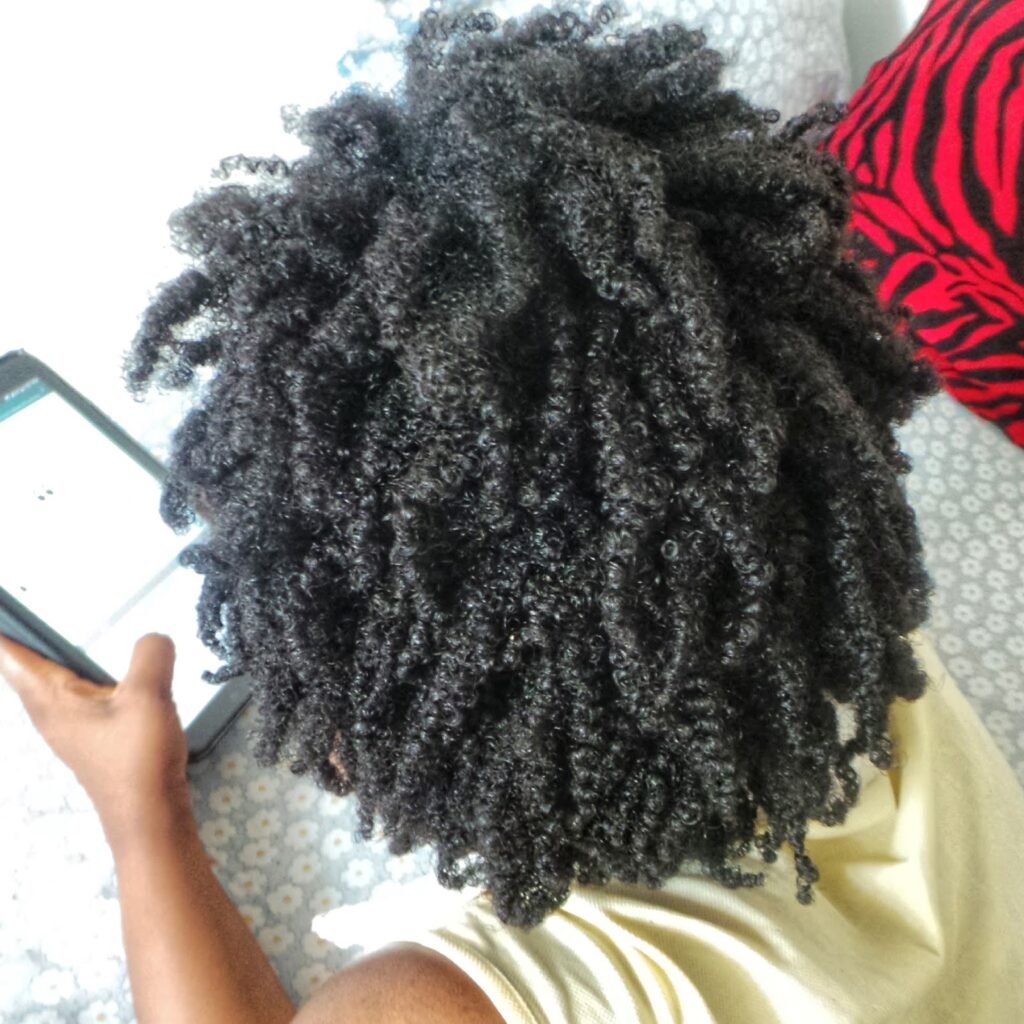
The first step in any Curly Hair Care Guide is understanding your curl type. From loose waves to tight coils, each texture has its own needs. For instance, Type 2 waves might need lightweight hydration, while Type 4 coils thrive on heavier creams and oils.

Tip: Take a photo of your curls when they’re fully dry—it helps you notice patterns in volume, shrinkage, and frizz over time.


2. Hydration is Everything

Curly hair tends to be drier than straight hair, so hydration is key. This Curly Hair Care Guide emphasizes moisture-first routines: deep conditioning, leave-in treatments, and occasional hair masks.

Tip: Apply leave-in conditioner on damp hair rather than soaking wet hair to lock in moisture more effectively.


3. Shape With a Curly Cut

A haircut designed for curls can make all the difference. Layers are your friend—they prevent curls from looking triangular or weighed down, giving your hair natural movement and shape.

Tip: Avoid blunt cuts for curly hair unless you want a bold statement. Opt for layers that enhance your curl pattern.


4. Boost Volume Without Frizz

Volume can be tricky—it’s easy to end up with frizz if you over-manipulate your curls. To achieve bouncy volume, try the “pineapple” method: gather your curls loosely on top of your head while sleeping. This preserves curl definition and height.

Tip: Use a diffuser on low heat and low airflow to avoid disrupting your curl pattern.


5. Protect Your Ends

The healthiest curls start with healthy ends. Split ends and breakage are more noticeable in curly hair because curls draw attention to the tips. Regular trims, protective styling, and avoiding heat damage are essential steps in any Curly Hair Care Guide.

Tip: Try a satin or silk pillowcase to reduce friction overnight—it’s a game-changer for maintaining curl shape and keeping ends smooth.


6. Minimal Manipulation is Key

Less is often more when it comes to curly hair. Over-brushing, combing, or excessive touching can cause frizz and disrupt curl shape. Instead, detangle gently with fingers or a wide-tooth comb, and embrace protective styles when possible.

Tip: Apply styling products to soaking wet hair for better curl definition and minimal frizz.


Caring for curly hair doesn’t need to be intimidating. By understanding your texture, prioritising hydration, protecting your ends, and embracing your natural shape, you can enjoy effortless style, volume, and healthy curls every day. Try these tips today and see how your hair transforms!

Want more soft life beauty tips? Read the rest of the blog for daily inspiration and self-care guidance.