
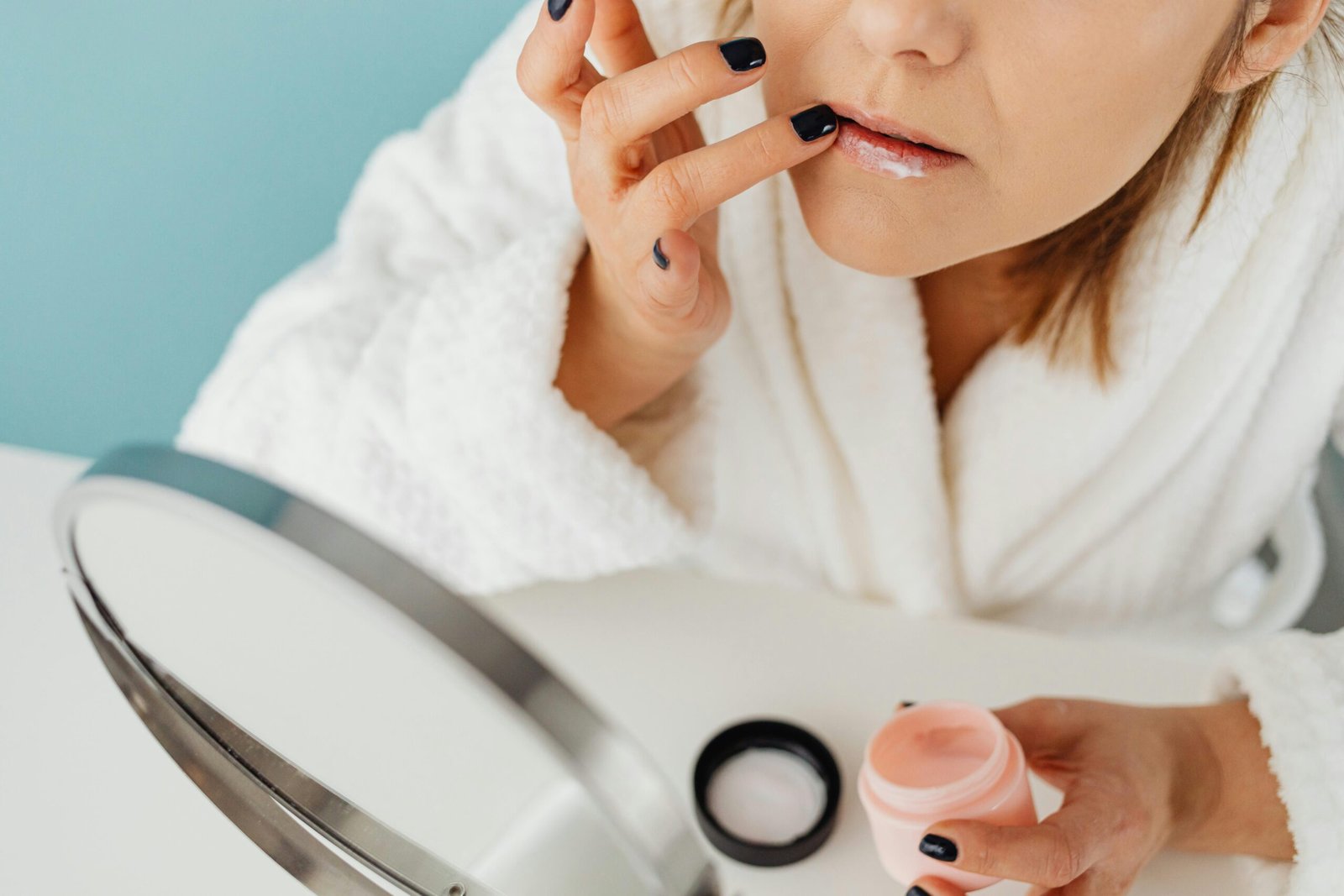

There’s something about winter that makes even the most expensive lip balm suddenly feel… ineffective. One minute your lips are soft and glossy, and the next you’re aggressively reapplying balm every 12 minutes while pretending everything is fine.
Cold air, indoor heaters, dehydration, and the habit of licking dry lips all work together like a tiny seasonal villain origin story. And according to dermatologists and celebrity facialists, most of us are making the same lip care mistakes every winter without realising it.
The good news is that soft, healthy lips are less about buying a hundred products and more about following a few consistent habits. These winter lip care tips are simple, realistic, and actually make a difference.
Stop Treating Lip Balm Like a Temporary Fix
One of the biggest mistakes experts mention is relying on lip balm only after your lips already feel dry.
By then, the moisture barrier is already struggling.
Instead, think of lip care the same way you think about skincare. Preventative care always works better than emergency care. Applying a nourishing balm throughout the day helps maintain hydration before cracking and peeling begin.
Dermatologists often recommend looking for ingredients like shea butter, ceramides, squalane, and lanolin. Celebrity facialists also tend to love richer overnight lip masks during colder months because they create a protective layer while you sleep.
And yes, this is your reminder that owning seven cute lip products means nothing if all of them are drying formulas disguised as “hydrating”. Winter exposes everybody.
What Causes Lips to Get So Dry in Winter?
Cold weather naturally reduces moisture in the air, which makes it easier for lips to become dehydrated. Unlike the rest of your skin, lips don’t have oil glands to help protect themselves.
That’s why winter dryness can show up so quickly.
Indoor heating also plays a role. Your room might feel cosy, but your lips are quietly fighting for survival beside that heater. Add caffeine, not drinking enough water, and constant lip licking into the mix, and dryness becomes almost inevitable.
The fix is usually consistency rather than intensity. Gentle hydration throughout the day works better than over-scrubbing or applying random products whenever panic sets in.
The Best Winter Lip Care Tips Start With Gentle Exfoliation
There’s a fine line between removing dry skin and declaring war on your lips.
Experts recommend gentle exfoliation once or twice a week at most. A soft washcloth, damp cotton pad, or mild sugar scrub can help remove flaky skin without causing irritation.
The key word here is gentle.
Over-exfoliating can leave lips even more sensitive, especially during colder months. If your lips are cracked or painful, skip the scrub entirely and focus on hydration first.
Celebrity facialists also suggest applying lip balm immediately after exfoliating to lock in moisture. Think of it as sealing the deal.
Are Matte Lipsticks Making Your Lips Worse?
Honestly… sometimes, yes.
Some matte formulas can be extremely drying during winter, especially if you’re already dealing with flaky lips. That doesn’t mean you need to throw away every matte lipstick you own, but prep matters.
Before applying lipstick, use a hydrating lip treatment or lightweight balm underneath. Let it absorb properly before layering colour on top.
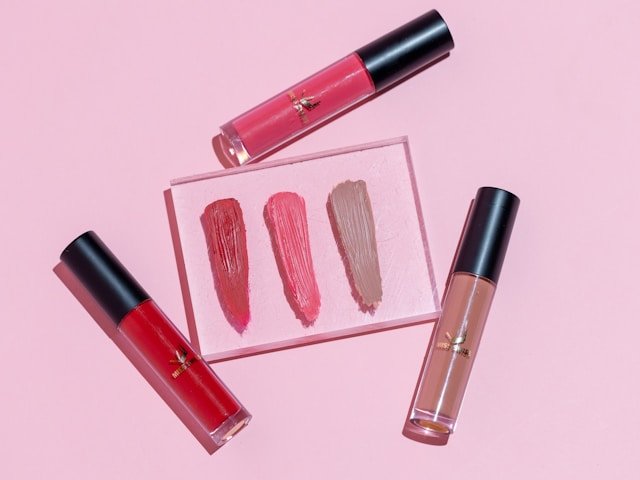
Tinted balms, glossy finishes, and lip oils also tend to feel more comfortable during winter because they add moisture while giving that polished look. Very “clean girl who drinks water and minds her business” energy.
Why Overnight Lip Masks Actually Work
If there’s one winter beauty habit that experts consistently swear by, it’s overnight lip treatments.
Your skin naturally repairs itself while you sleep, which makes nighttime the perfect opportunity to deeply hydrate dry lips. Rich lip masks help reduce flaking, soften texture, and restore moisture by morning.
You don’t necessarily need an expensive product either. Even a thicker balm layered generously before bed can make a noticeable difference over time.
Consistency matters more than luxury branding here.
Don’t Ignore What You’re Putting Around Your Lips
Winter irritation is not always caused by the lips themselves. Sometimes the products around your lips are the issue.
Strong acne treatments, harsh cleansers, fragranced skincare, and even certain toothpastes can contribute to dryness and irritation. If the corners of your mouth feel unusually sensitive, your skincare routine could be partly responsible.
Dermatologists often recommend keeping active ingredients slightly away from the lip area during winter, especially retinol or exfoliating acids.
Your lips are sensitive. They do not need to participate in every skincare experiment.
Small Habits That Make a Bigger Difference Than You Think
Some of the best winter lip care tips are surprisingly basic, but they genuinely help.
Using a humidifier at night can add moisture back into dry indoor air. Drinking enough water supports hydration from the inside out. Covering your mouth with a scarf during icy weather also helps protect lips from harsh wind exposure.
And perhaps the hardest habit to break of all: stop licking your lips.
It feels helpful for approximately three seconds before making dryness even worse. A true toxic relationship, honestly.
The Soft Winter Lip Routine Worth Keeping
Winter lip care doesn’t need to feel complicated or overly curated. The goal is simply to protect your lips consistently before dryness becomes a problem.
A gentle exfoliation routine, nourishing lip products, overnight hydration, and a little awareness about irritating ingredients can completely change how your lips feel during colder months.
Soft, healthy lips are less about perfection and more about small habits repeated consistently. Which, inconveniently, is usually how most beauty advice works.
If your lips have been struggling this season, try adding one or two of these tips into your routine this week and see how much of a difference it makes.