
There was a point in my life when I thought personal freedom meant doing more, pushing harder, saying yes louder, and proving—constantly—that I was strong enough to handle everything. Rest was something you earned. Softness felt suspicious. And slowing down? Absolutely not, we’ve got things to prove.
But choosing a softer life quietly changed that definition.
Now, personal freedom looks less like hustle and more like alignment. Less like survival mode and more like intentional living. It’s not about disappearing from the world—it’s about deciding how you show up in it.
This is what personal freedom has come to mean for me while choosing a softer life—and maybe you’ll recognise yourself somewhere in this too.
Redefining Personal Freedom Beyond Hustle Culture
For a long time, productivity culture told us that freedom lives on the other side of burnout. Work harder now, rest later. Grind now, enjoy later.
But choosing a softer life asks a different question:
What if personal freedom is available now?
It’s the freedom to stop chasing external validation. The freedom to release unrealistic timelines. The freedom to build a life that supports your nervous system, not just your CV.
This shift is often reflected in the way slower mornings, intentional routines, and quieter definitions of success are being embraced. It’s a reminder that freedom doesn’t need to be loud or dramatic to be real.
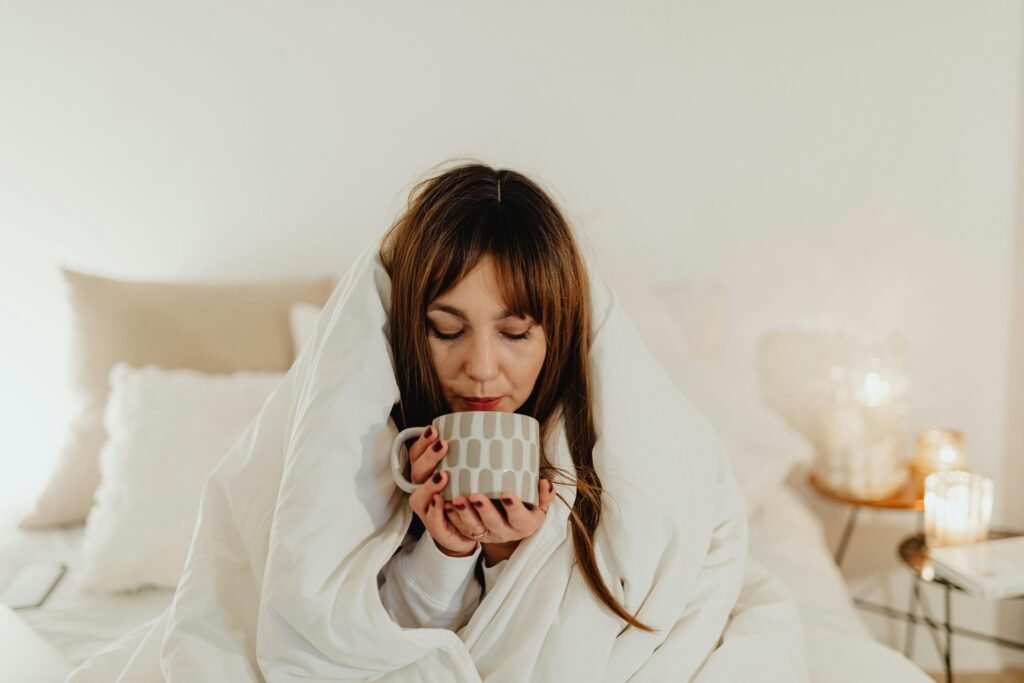
Personal Freedom Is Saying No Without Explaining Yourself
One of the most underrated forms of personal freedom is the ability to say no—and not follow it up with a TED Talk.
Choosing a softer life means understanding that your energy is a resource, not an unlimited supply. You don’t owe everyone access to your time, body, or emotional labour.
This could look like:
- Declining social plans without guilt
- Setting quieter weekends as non-negotiable
- Choosing rest over obligation
Intuitive living encourages listening to your body’s cues and honouring what it needs. It gently reframes boundaries not as rejection, but as self-respect in action.
Creating Daily Rhythms That Feel Safe, Not Stressful
A softer life isn’t about aesthetic routines—it’s about sustainable ones. Personal freedom shows up when your daily rhythm feels supportive instead of punishing.
This doesn’t require a five-step morning routine or a perfectly curated planner. It might simply mean:
- Slower mornings with less screen time
- Eating meals without rushing
- Scheduling rest like it’s an appointment
Real-life routines that prioritise comfort and consistency over optimisation are being embraced more openly, offering gentle inspiration for anyone learning to let go of doing everything “perfectly.”

Emotional Personal Freedom: Letting Yourself Feel Without Fixing
Choosing a softer life also means releasing the need to constantly self-correct. Personal freedom emotionally looks like allowing feelings to exist without immediately trying to fix, spiritualise, or productivity-hack them away.
Sad days don’t mean you’re failing. Tired seasons don’t mean you’re behind. Healing isn’t linear and softness gives you permission to stop performing wellness.
There’s a growing emphasis on nervous system regulation and emotional safety—gentle reminders that awareness alone is progress. Sometimes freedom is simply allowing yourself to be human without judgement.
Personal Freedom in How You Define Success
A softer life quietly dismantles traditional success metrics. Personal freedom isn’t only about money, titles, or constant growth—it’s about quality of life.
Success might now look like:
- Peaceful evenings
- Work that doesn’t drain your identity
- Relationships that feel calm instead of chaotic
The softer life doesn’t remove ambition—it just redirects it.
Choosing Softness as a Form of Self-Trust
At its core, personal freedom in a softer life is about trusting yourself again. Trusting your body’s signals and trusting your pace. Trusting that you don’t need to earn rest or explain your needs.
Softness isn’t weakness—it’s discernment.
This choice might look small from the outside. Fewer plans. Quieter goals. More spacious days. But internally, it’s a radical act of self-loyalty.
And the truth? A life that feels safe, supported, and gentle is a successful life.
Final Thoughts: Softness Is Not Limitation—It’s Liberation
Choosing a softer life doesn’t mean opting out of growth. It means choosing personal freedom over pressure, alignment over approval, and peace over performance.
If you’re in a season where your nervous system needs more kindness than challenge, you’re not falling behind—you’re recalibrating.
Try one small act of softness today.
And if this resonated, read the rest of the blog for more gentle guidance on building a life that feels like home.