
There’s a very specific kind of chaos that happens when you book a trip without checking the season. You arrive sweaty when you packed knits, or you land in what you thought was paradise… only to discover it’s monsoon season and the sun took annual leave. Been there. Learned the hard way.
That’s why this Seasonal Travel Guide exists — not to turn you into a weather app, but to help you choose the right month to travel so your trip feels aligned, unforced, and honestly? A bit dreamy.
If you’ve ever wondered When is actually the best time to go?, this Seasonal Travel Guide will walk you through travel seasons in a soft, intuitive way — no spreadsheets, no stress.
High Season: When Everyone Else Is Going
High season is peak popularity. Think summer in Europe, December in tropical destinations, or cherry blossom season in Japan.
Why people love it:
- Best weather
- Festivals and events
- Vibrant atmosphere
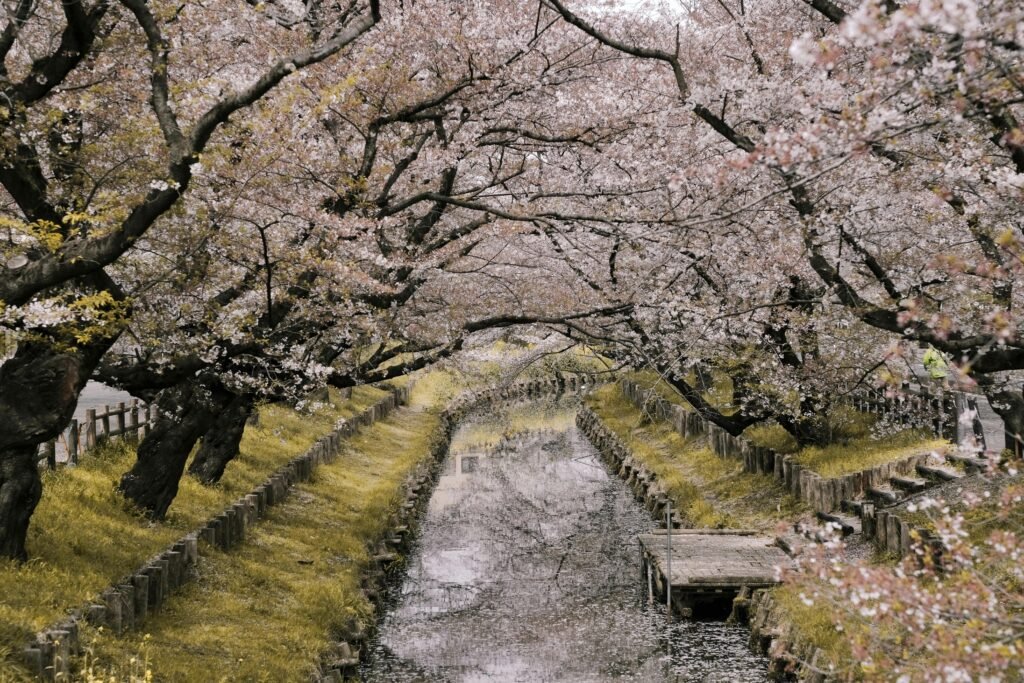
Why it might not love you back:
- Crowds. So many crowds.
- Higher prices for flights and accommodation
If you thrive on energy and don’t mind sharing views with 400 strangers, high season can be brilliant. For destination-specific peak months, Lonely Planet offers clear seasonal breakdowns worth bookmarking.
In this Seasonal Travel Guide, consider high season your social butterfly option — exciting, colourful, but rarely calm.
Shoulder Season: The Soft-Life Sweet Spot
If Seasonal Travel had a favourite child, shoulder season would be it.
Shoulder season sits just before or after peak season — usually spring and autumn. The weather is still pleasant, but the crowds have eased off and prices start behaving.
Why it works:
- Comfortable temperatures
- Fewer tourists
- Better value without sacrificing experience
This Seasonal Travel Guide gently suggests shoulder season if you want beauty without burnout.
Low Season: Quiet, Moody, and Underrated
Low season gets a bad reputation, but honestly? It’s misunderstood.
This usually includes winter months or rainy seasons — when most tourists stay home.
Why low season can be magical:
- Deeply discounted prices
- Peace and quiet
- A more local, authentic feel
Yes, the weather might be unpredictable. But places like Scotland, Kyoto, or coastal Portugal take on a moody, cinematic quality in low season.
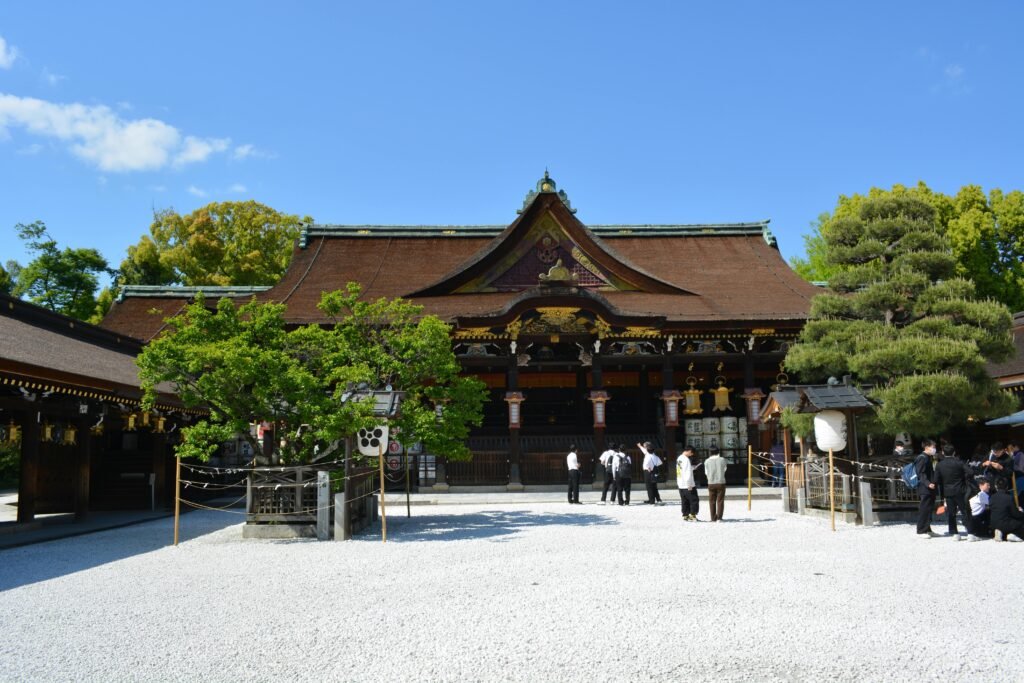
For introverts or reflective travellers, low season deserves real consideration in any Seasonal Travel Guide.
Choosing the Best Month Based on Your Travel Style
Instead of asking, “When is the best time to go?” try asking, “What do I want this trip to feel like?”
For sunshine and beaches
Late spring and early autumn are ideal — warm water, fewer tourists, and better hotel availability.
For culture and city breaks
Autumn is elite. Cooler weather, museum season, and café culture at its best.

For nature and scenery
Timing matters most here. Check bloom seasons, foliage months, or wildlife migration periods. National Geographic Travel often shares seasonal nature highlights worth exploring.
This Seasonal Travel Guide isn’t about perfection — it’s about alignment.
Quick Seasonal Planning Tips (That Actually Help)
- Always check school holiday calendars — prices spike fast
- Look at rainfall, not just temperature
- Search “destination + shoulder season” before booking
- Save seasonal highlight posts from creators on Instagram for visual references
Even a simple Google search paired with this Seasonal Travel Guide can save you money, stress, and disappointment.
Travel Slowly, Travel Intentionally
The right month can turn a good trip into one that lingers with you long after you’re home.
Seasonal travel isn’t about chasing trends — it’s about choosing moments that feel calm, beautiful, and considered. This Seasonal Travel Guide exists to remind you that timing is a form of self-care.
If this helped, read the rest of the blog for more soft, thoughtful travel and lifestyle inspiration — and maybe start planning your next trip with a little more flow.