
If you’ve ever stood in a paint aisle holding six “neutral” samples that somehow all look beige-ish but wildly incompatible, welcome. You’re not bad at interiors. You’re just overwhelmed. Learning How to Build a Cohesive Colour Scheme For your home isn’t about talent or having a Pinterest-perfect life. It’s about clarity, restraint, and not letting one rogue cushion bully the whole room.
This guide is a soft, stylish way to understand How to Build a Cohesive Colour Scheme For your home without overthinking it, overbuying it, or crying on the floor at 10pm. Light, visual, and curated — Home Flow vibes only.
Start With the Feeling, Not the Paint Chart
Before colour swatches and mood boards, ask yourself one question:
How do I want this space to feel?
Calm? Warm? Fresh? A bit grown and put-together? That emotional anchor is the foundation of How to Build a Cohesive Colour Scheme For your home.

Practical tip: Write down three words you want your room to embody. Those words guide every colour choice after.
Choose a Hero Colour (Yes, Just One)
A cohesive colour scheme always has a lead role. One hero colour. Everything else supports it.
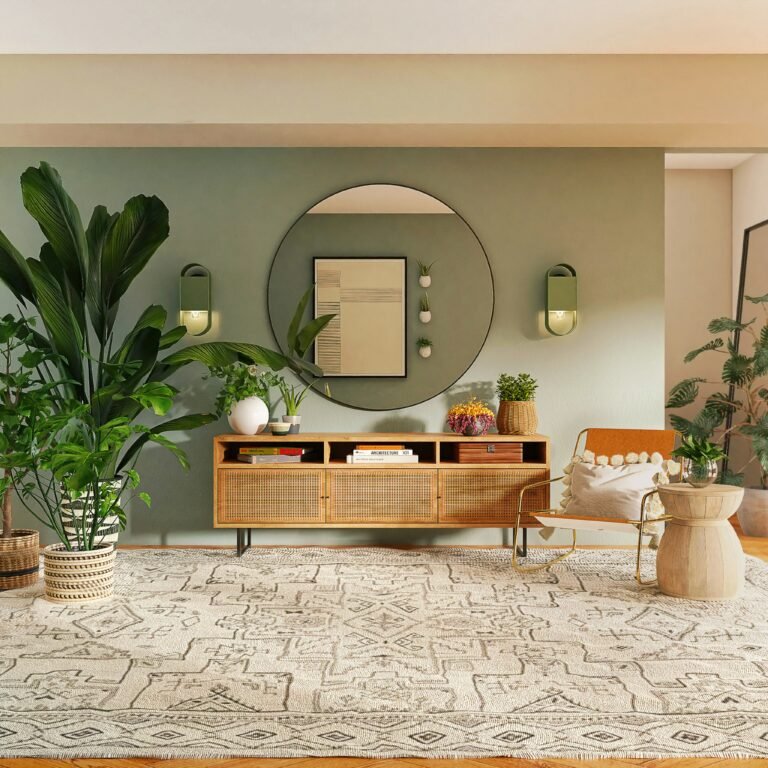
This doesn’t mean bold or loud — your hero could be warm white, sage green, muted clay, or soft grey. The key to How to Build a Cohesive Colour Scheme For your home is commitment, not chaos.
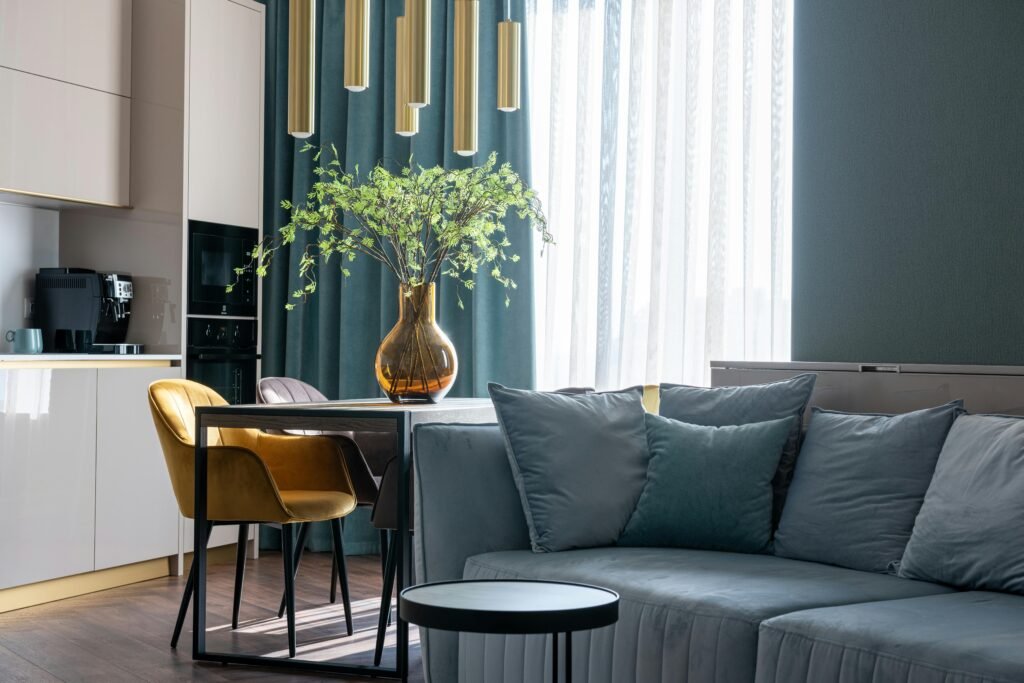
Practical tip: If choosing feels stressful, take inspiration from something you already love in the room — a rug, artwork, or sofa — and let that dictate your hero colour.
Build a Supporting Cast of 2–3 Colours
Once your hero is locked in, add two or three supporting shades max. Not seven. Not “just in case”. This is where homes either feel curated or… like a clearance aisle.
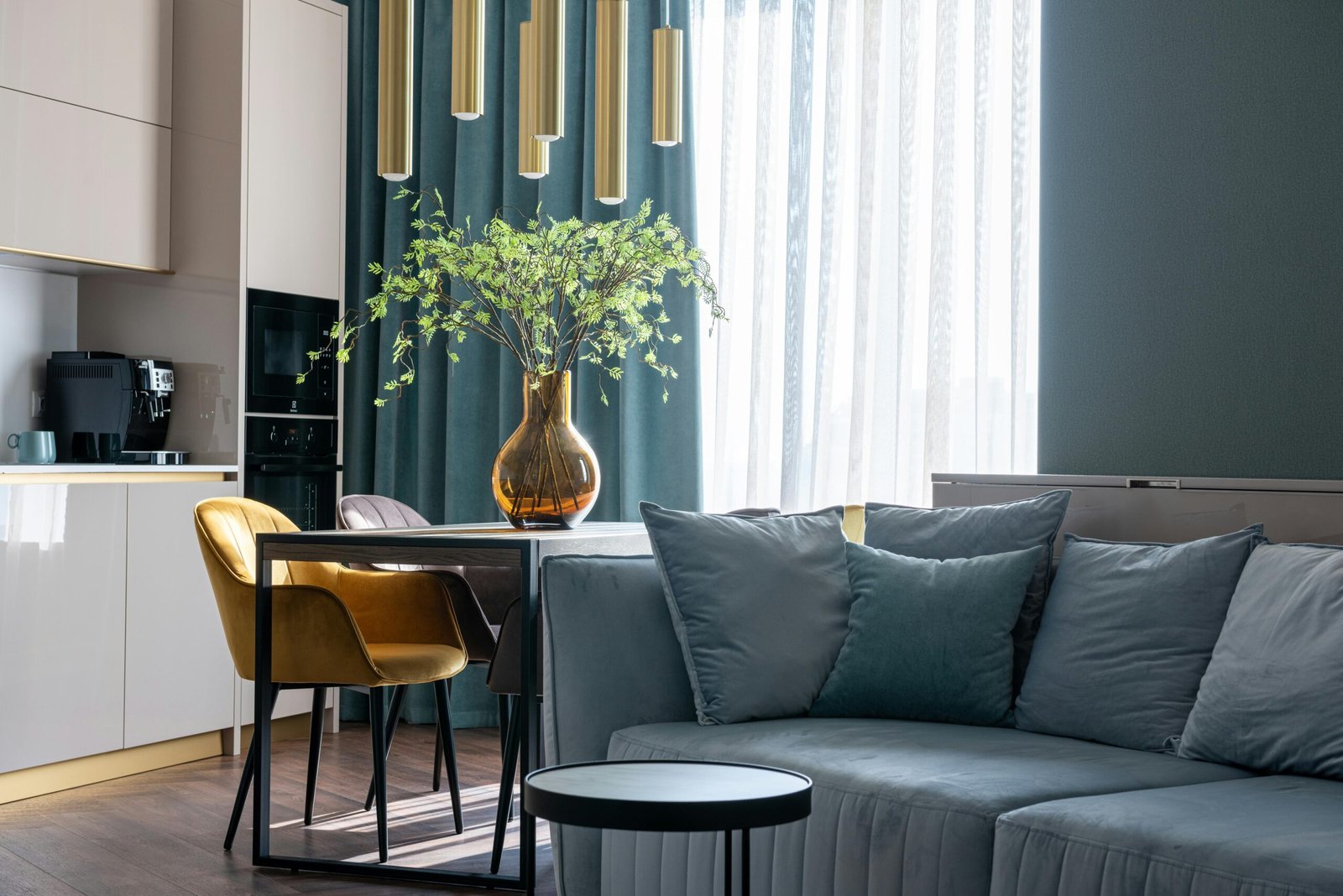
The classic interior rule is variations of:
- One main colour
- One soft neutral
- One accent tone
Practical tip: Stick to the same undertone family (warm with warm, cool with cool) to avoid visual tension.
Use Neutrals as the Quiet Glue
Neutrals are not “boring”. They’re the background singers holding the whole song together.
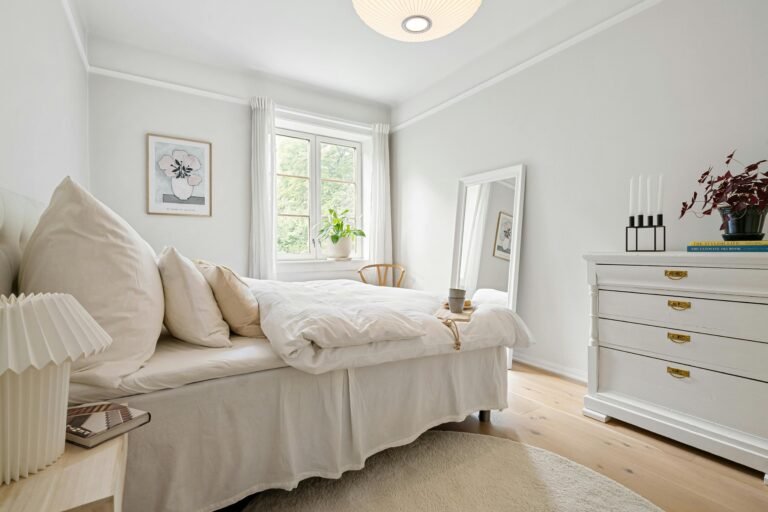
Warm whites, soft beiges, greiges, and muted taupes help colours flow between rooms without shouting.
When thinking about How to Build a Cohesive Colour Scheme For your home, neutrals give your eye somewhere to rest. And honestly, your nervous system will thank you.
Practical tip: Repeat the same neutral across walls, trims, and large furniture for instant cohesion.
Repeat Colours in Small, Intentional Ways
Cohesion isn’t about matching everything. It’s about repetition that feels natural.
That blue cushion? Echo it in a vase. That wood tone? Let it show up again in a frame or stool.

This concept is core to How to Build a Cohesive Colour Scheme For your home. The eye loves familiarity. Repetition creates rhythm.
Practical tip: Aim to repeat each colour at least three times throughout the space.
Let Texture Do Some of the Work
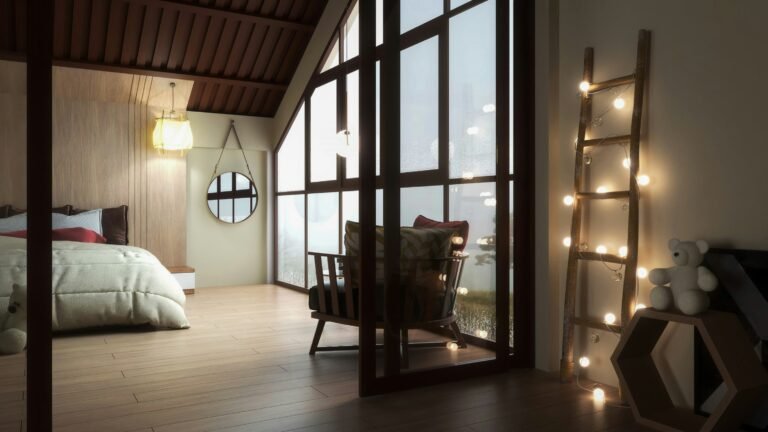
If everything is the same colour and the same texture, it can feel flat. Texture adds depth without adding visual noise.
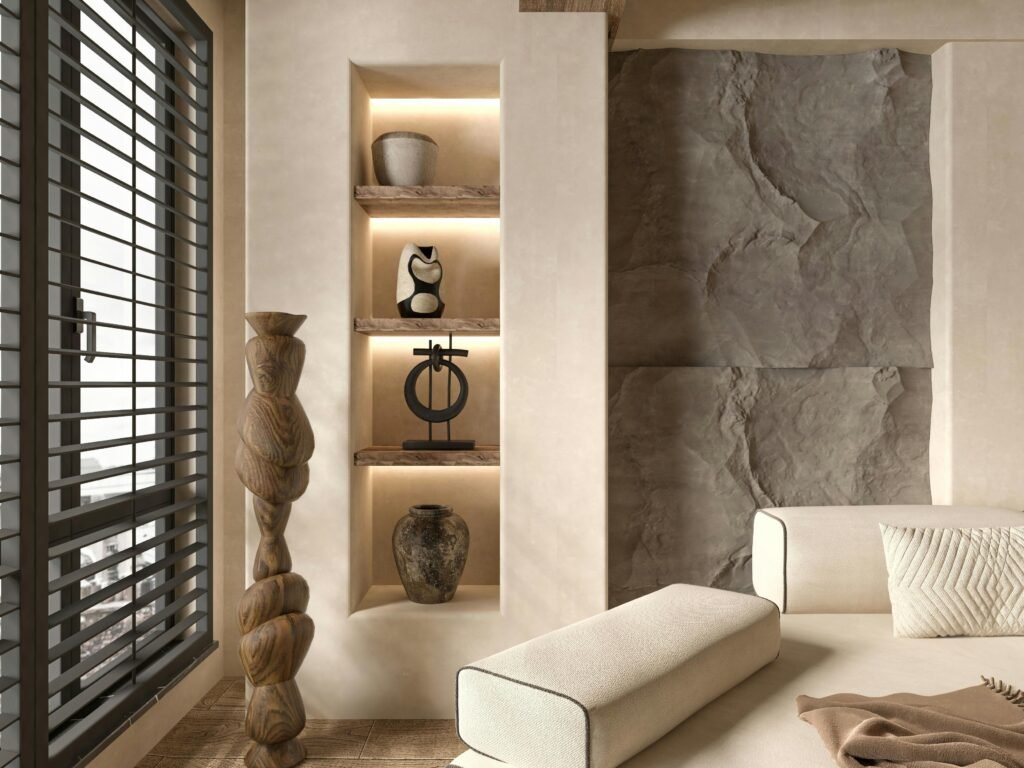
When learning How to Build a Cohesive Colour Scheme For your home, texture is the cheat code that makes simple palettes look styled rather than basic.
Practical tip: If you’re scared of colour, lean into texture first — it builds confidence without commitment.
Flow Matters More Than Perfection
Your home doesn’t need to look like a showroom. It needs to flow.
That means rooms should speak to each other, not compete. Use similar base colours throughout, then vary intensity room to room.
This bigger-picture thinking is essential to How to Build a Cohesive Colour Scheme For your home that actually feels lived-in and peaceful.
Practical tip: Stand in a doorway and scan adjoining rooms. If one room visually “shouts”, something needs simplifying.
Trust Your Eye (And Edit Ruthlessly)
Here’s the truth: cohesion often comes from removing things, not adding.
If a colour consistently feels “off”, it probably is. Editing is part of How to Build a Cohesive Colour Scheme For your home, even if it means accepting that an impulsive décor buy no longer fits the vibe.
Designers edit constantly. You’re allowed to as well.
Practical tip: If you hesitate every time you look at an item, it’s not pulling its weight.
Final Thoughts: Soft, Intentional, Yours
Learning How to Build a Cohesive Colour Scheme For your home isn’t about rules — it’s about creating a space that feels calm, intentional, and supportive of your everyday life. Start with feeling, choose fewer colours, repeat thoughtfully, and let texture carry you.
Try one tip today. Save the rest for later. And let your home breathe a little.
Read the rest of the blog for more Home Flow inspiration and soft living ideas