
There’s that moment. You’re deep in Pinterest, emotionally attached to a linen outfit you haven’t bought yet, imagining yourself sipping something iced under a foreign sun… and then it hits you: Wait. Is this place actually safe?
Welcome to adult travel planning
I learned early on that vibes alone are not a travel safety advisory. Aesthetic photos don’t tell you about political unrest, neighbourhood safety, or whether public transport shuts down at 6pm and leaves you stranded in a maxi dress. So before I book anything, I run through a simple travel safety advisory check — calm, curated, and zero panic.
This is your soft-but-smart guide to checking a travel safety advisory before you book, without spiralling or ruining the excitement.
Start With Official Travel Safety Advisories (Not TikTok)
Before Instagram, there were governments. Boring? Yes. Useful? Extremely.
Your first stop should always be an official travel safety advisory from a trusted government source. Think:
- UK Foreign Office (FCDO)
- US State Department
- Australian Smart Traveller
These advisories cover things social media won’t: crime levels, health risks, protests, natural disasters, and entry requirements. The key is context — a Level 2 advisory doesn’t mean “don’t go”, it usually means “be aware, not reckless”.
For clear, plain-English breakdowns, the UK Foreign Office website does this really well. It’s factual, not dramatic — elite behaviour.
Zoom In: City-Specific Safety Matters
A country can be safe overall and still have areas you should absolutely not wander into with your camera and oat milk latte.
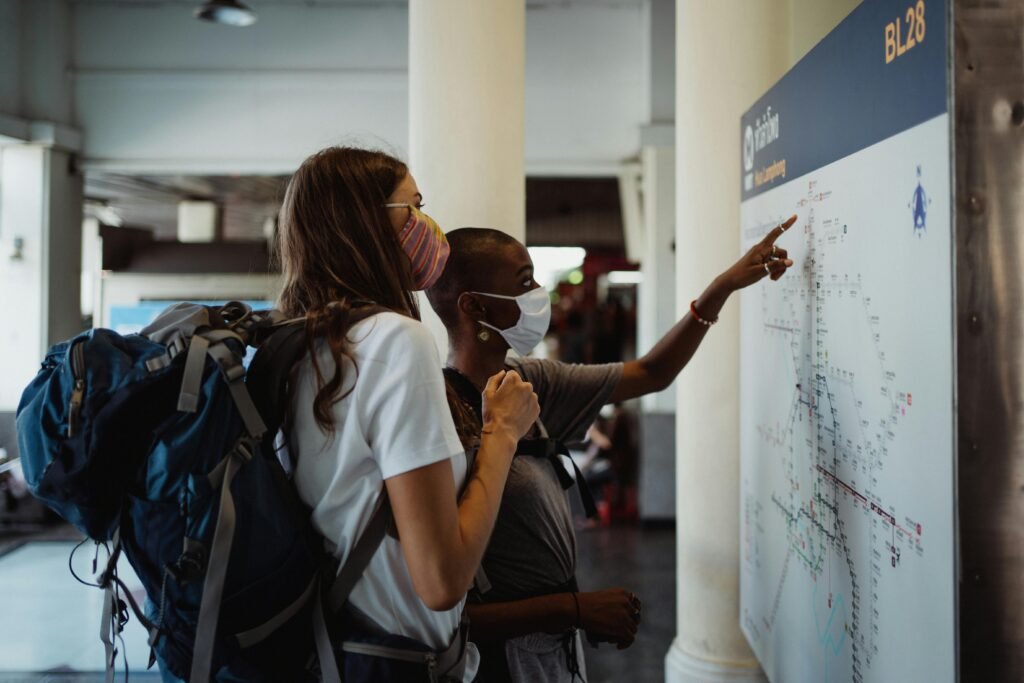
This is where smart travellers level up their travel safety advisory game by researching:
- Specific cities
- Neighbourhood safety
- Transport hubs
Pro tip: Google
“Is [city name] safe for tourists”
and skip the fear-mongering forums. Look for recent blog posts or expat-led guides.
Check Recent News (But Don’t Doom-Scroll)
You don’t need to become a foreign affairs correspondent — just scan headlines.
Search the destination on Google News and look for:
- Ongoing protests
- Transport strikes
- Weather-related disruptions
- Health advisories
If the news is calm and boring? That’s a green flag.
Use Social Media as a Reality Check, Not a Rulebook
TikTok and Instagram are not a travel safety advisory guide, but they are great for seeing real-time vibes.
Search:
- “Living in [destination]”
- “Solo travel [destination] safety”
- “Things I wish I knew before going to…”
Check what locals and recent travellers are saying. When the same safety issue is mentioned repeatedly, that’s a signal to take seriously.
Read Hotel Reviews Like a Detective 🕵🏽♀️
Where you stay affects how safe you feel — and that matters.
When reading reviews, don’t obsess over décor. Look for:
- Mentions of neighbourhood safety
- Accessibility at night
- Transport access
- Front desk security
Tripadvisor reviews often spill tea people wouldn’t post on Instagram. Booking.com reviews are great for consistency patterns.
A solid accommodation choice supports your overall travel safety advisory strategy more than you think.
Understand Cultural & Legal Safety Basics
Safety isn’t just about crime — it’s also about cultural awareness.
A good travel safety advisory includes:
- Dress expectations
- Behaviour laws
- Photography rules
- Alcohol or substance restrictions
Respect is a safety tool.
Trust Data and Discernment
Here’s the truth: no destination is 100% safe. Not London or Paris. Not even your own city.
A travel safety advisory helps you make informed choices, not fearful ones. If official sources say “exercise normal precautions” and real travellers are still going, enjoying, and thriving? You’re probably okay.
Preparation ≠ paranoia. It’s self-respect with Wi-Fi.
Final Thoughts: Soft Life, Smart Choices
Checking a travel safety advisory doesn’t take the magic out of travel — it protects it. The goal is to arrive relaxed, not rattled. Confident, not clueless.
Let the planning be calm, the research intentional, and the trip beautifully uneventful (in the best way).
Read the rest of the blog for more Travel Flow guides that keep things soft, stylish, and sensible — or try one of these tips today before your next booking.