
There was a point where decorating my living room started to feel like a part-time job. I had seventeen saved Pinterest boards, twenty screenshots from TikTok, and absolutely no idea why my actual space still felt… off. Every time I bought a new cushion cover or moved a lamp, I convinced myself the room was finally coming together. Then I’d sit down, look around, and immediately spot five things I wanted to change.
At some point, I realised I wasn’t creating a home. I was chasing perfection dressed up as “good taste”.
The funny thing is, the living room started feeling better the moment I stopped trying so hard. Not magazine-perfect. Not influencer-perfect. Just calm, comfortable, and genuinely reflective of me. Which, honestly, is the whole point.
If you’ve been spiralling through endless living room decor ideas and still feel stuck, here’s what actually made the biggest difference for me.
I stopped buying decor before understanding the room
This was my biggest mistake. I kept purchasing random “cute” pieces without thinking about how I wanted the space to feel overall. One week I wanted modern minimalism. The next week I was suddenly obsessed with vintage interiors and dramatic lighting. My poor living room had an identity crisis.
Instead of asking, “What’s trending?”, I started asking:
How do I want this room to feel when I walk in?
That question changed everything.
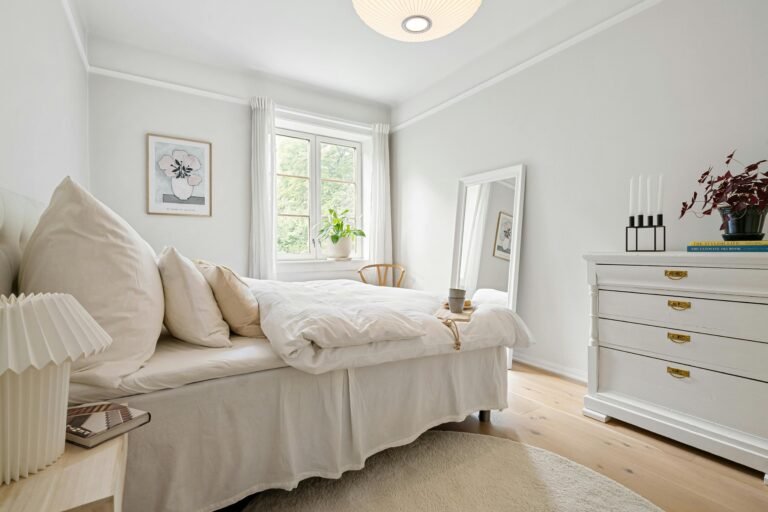
I realised I wanted the room to feel soft, grounded, warm, and easy to exist in. Not overly styled. Not stiff. Just intentional.
Once I had that clarity, decorating became much easier because I finally had direction. Suddenly, every purchase made sense or didn’t.
And honestly? Half the “must-have” decor items online immediately stopped tempting me.
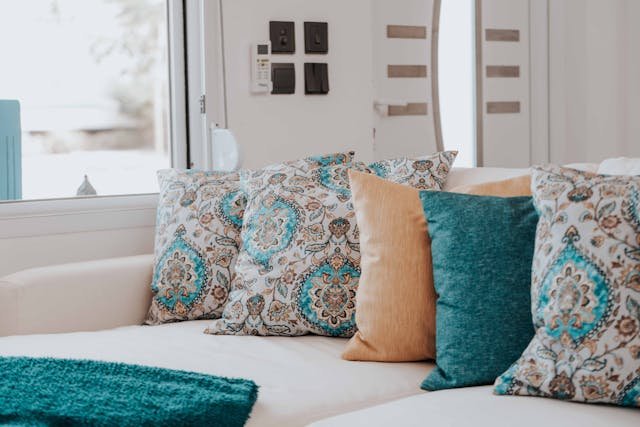
What colours make a living room feel calmer?
I used to think the answer was adding more things. Turns out, it was simplifying the colour story.
When every item in a room competes for attention, the space can quietly feel chaotic even if it’s technically beautiful. I started choosing shades that worked together instead of trying to make every corner a separate Pinterest moment.
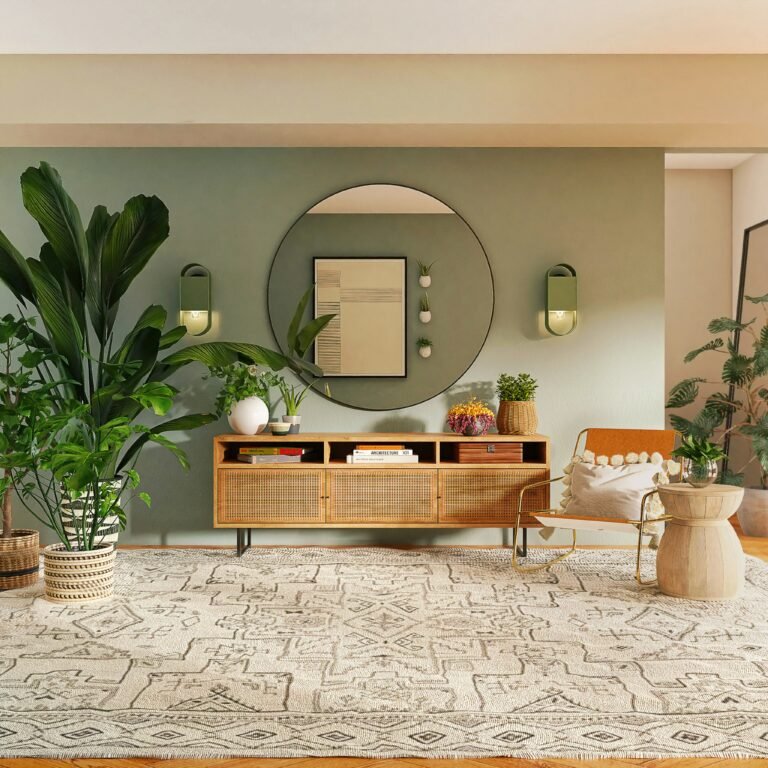
Soft greens, dusty rose accents, muted blues, warm terracotta details, and rich browns made the room feel cohesive without feeling boring. Even changing small things like cushion covers or artwork tones made a huge difference.
A room does not need twenty colours to feel interesting. Sometimes it just needs consistency.
I focused on lighting before decor
This one genuinely surprised me.
I spent so much time searching for living room decor ideas when the real issue was my lighting. Harsh overhead lighting was making the entire room feel cold no matter how much styling I did.
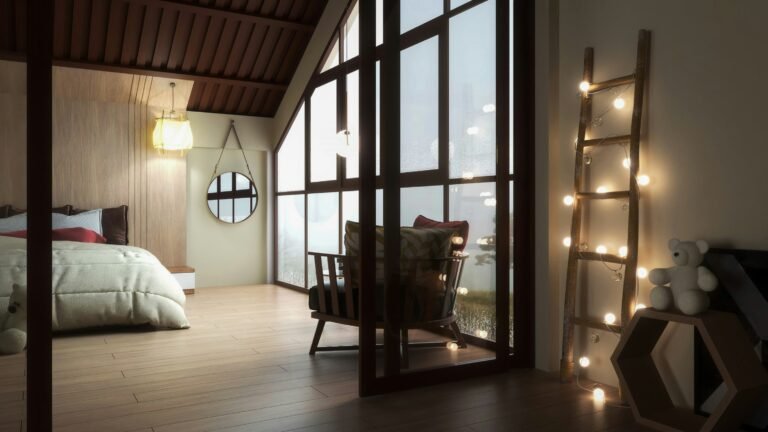
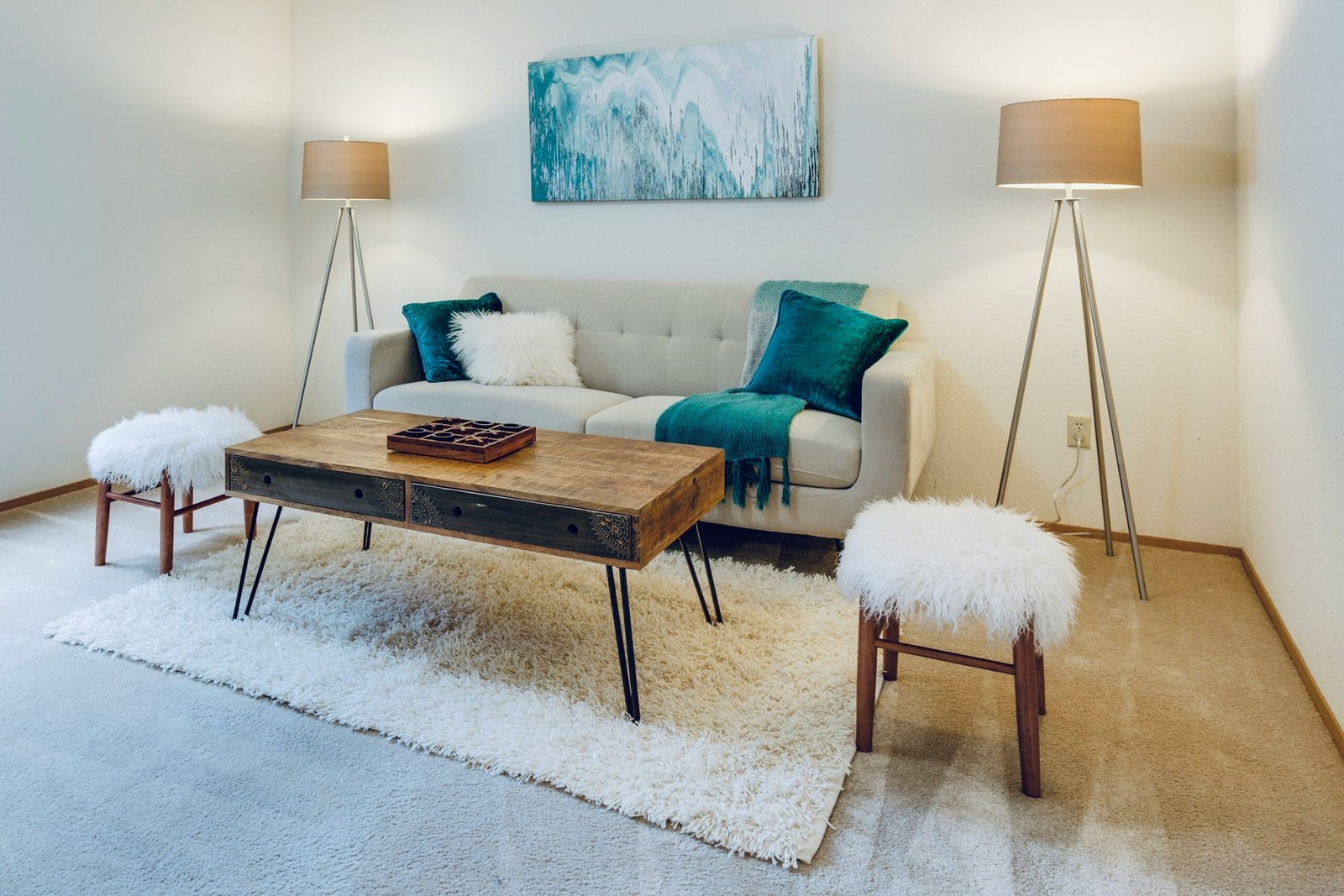
Adding softer lamps instantly changed the atmosphere. A warm table lamp in the corner. A smaller light source near the sofa. Even candles at night made the space feel calmer and more lived in.
Lighting creates mood faster than decor does. That’s the part nobody tells you when you’re panic-ordering decorative trays at midnight.
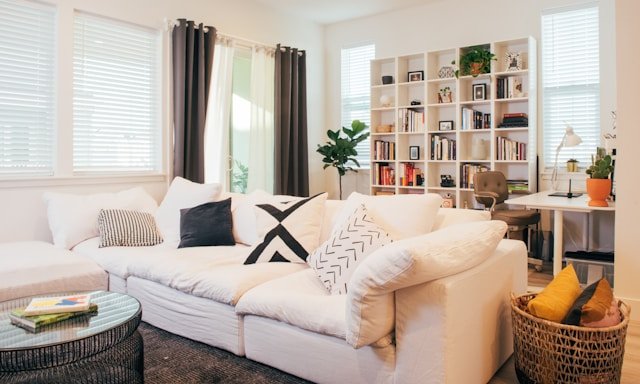
The room started working when I made it practical
There’s a version of adulthood where you realise aesthetics alone cannot save a room that’s annoying to use.
Once I stopped styling for photos and started styling for actual life, everything improved.
I added a basket for blankets because I genuinely use blankets every day. I moved my coffee table slightly because constantly bumping into furniture is not the soft life experience I was aiming for. I placed everyday items where they made sense instead of where they looked most aesthetic.
Suddenly the room felt easier to live in.
And strangely enough, that practicality made the space look better too.
Do you need expensive furniture to make a space look good?
Absolutely not.
Some of the best rooms feel personal rather than expensive. A space with character will always feel more inviting than a room filled with trendy pieces that mean nothing to you.
A few things that helped my living room feel elevated without overspending:
- Mixing affordable pieces with one or two statement items
- Using textured fabrics to add depth
- Rearranging furniture before buying anything new
- Adding books, candles, and personal touches instead of more “filler decor”
- Choosing fewer, better pieces instead of cluttering every surface
I also stopped assuming every empty corner needed something in it. Sometimes the room just needs space to breathe.
That lesson alone saved me money.
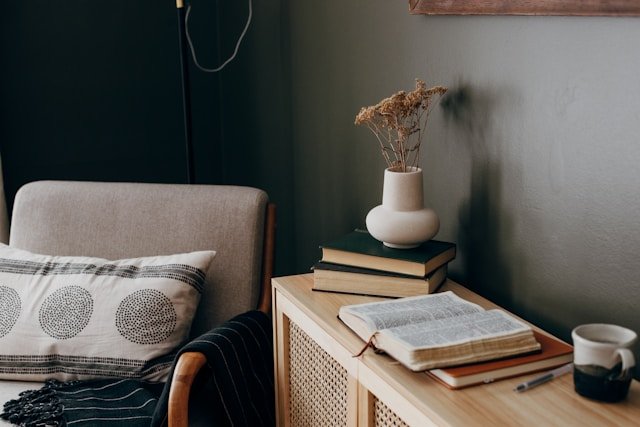
I stopped copying other people’s homes
This was probably the hardest part.
Pinterest and TikTok are amazing for inspiration, but they can also make you feel like your home is never finished. There’s always another trend, another colour palette, another perfectly styled shelf.
At some point, I realised I was decorating for an imaginary audience instead of myself.
The rooms I loved most online all had one thing in common: personality.
Not perfection.
Once I leaned into what I actually liked instead of what looked impressive online, the room started feeling more authentic. More relaxed. More “me”.
Ironically, that’s when people started complimenting it.
Easy living room decor ideas that made the biggest impact
If you feel overwhelmed, start smaller than you think you need to. Some of the most effective changes are surprisingly simple.
A few low-effort updates that genuinely transformed my space:
- Swapping harsh bulbs for warm lighting
- Adding curtains higher to make the room feel taller
- Layering cushions in similar tones instead of matching perfectly
- Using one consistent accent colour throughout the room
- Styling surfaces with fewer items
- Bringing in one or two plants for softness and texture
- Rearranging furniture before shopping
Most rooms don’t need a complete makeover. They usually just need intention.
Why does my living room still feel unfinished?
Sometimes it’s because we expect homes to look “done” immediately.
But the best spaces often come together slowly. They evolve as you live in them. Through routines, memories, random finds, and small adjustments over time.
Once I accepted that my home didn’t need to look like a showroom overnight, decorating became fun again.
Now when I sit in my living room, I don’t immediately start mentally redesigning it. I actually enjoy being there. Which feels like the entire goal of decorating in the first place.
And honestly? That calm feeling matters more than having the trendiest sofa on the internet.
If you’ve been overthinking your space lately, this is your reminder that your home does not need to be perfect to feel beautiful. Start with what feels good, make the room work for your actual life, and let it evolve naturally from there.
Try one small change today and see how different your space feels by tonight.