

There comes a point where your skin quietly changes the rules on you. One day you’re sleeping in makeup after a birthday dinner and somehow surviving. The next, your face looks personally offended after two glasses of wine and four hours of sleep.
Your 30s are usually when skincare becomes less about trends and more about maintenance, consistency, and protecting your glow without turning your bathroom shelf into a chemistry lab. The good news is that an effective anti-ageing skincare routine for your 30s does not need to be complicated, expensive, or full of products you barely understand.
Most of us do not need a 14-step routine. We need hydration, protection, consistency, and honestly… a little less panic-buying after watching TikTok dermatologists at midnight.
Here’s the simple routine that actually makes sense.
Why Does Skin Change in Your 30s?
Your skin starts slowing down a little in your 30s. Collagen production decreases, cell turnover becomes less efficient, and dehydration suddenly appears out of nowhere. Fine lines may become more noticeable, especially around the eyes and forehead.
This does not mean you are “ageing badly.” It means you are human.
The goal is not to look 19 forever. The goal is healthy, supported skin that still feels fresh, radiant, and cared for.
The Morning Routine That Keeps Things Simple
A good morning skincare routine should protect your skin more than overwhelm it.
Gentle Cleanser
Start with a cleanser that removes oil and sweat without stripping your skin. If your face feels squeaky after washing, your cleanser might be doing too much.
Cream cleansers and gentle gel formulas usually work well for most skin types in your 30s, especially if your skin has become drier over time.
Vitamin C Serum
If there is one product that earns its place in an anti-ageing skincare routine for your 30s, it is vitamin C.
It helps brighten dull skin, supports collagen production, and protects against environmental stress. Think of it as backup support for your sunscreen.
A few drops are enough. Your face should not look glazed like a doughnut unless that is specifically the aesthetic you are going for.
Moisturiser
Hydration becomes non-negotiable in your 30s. Even oily skin can become dehydrated, which is rude but true.
Look for ingredients like hyaluronic acid, ceramides, or glycerin to help keep the skin barrier healthy and balanced.
SPF Every Single Day
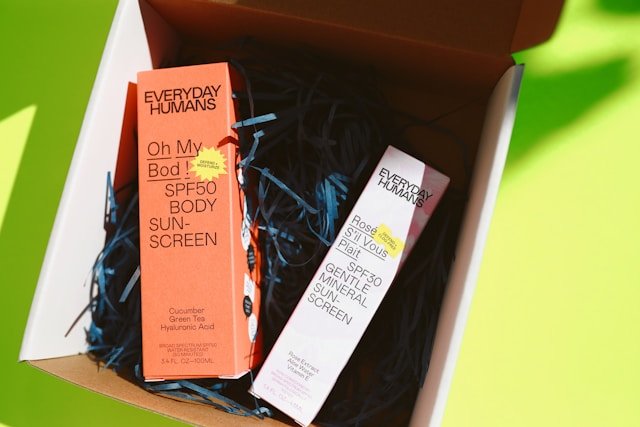
This is the part everyone knows but still negotiates with. Wear sunscreen daily. Yes, even when it is cloudy. Yes, even if you work indoors.
Sun exposure is one of the biggest contributors to premature ageing, including pigmentation, fine lines, and loss of elasticity.
A lightweight SPF 30 or higher is enough for daily wear. Your future skin will thank you kindly.
What Should Your Night Routine Include?
Night-time skincare is where repair and recovery happen. It does not need to be intense. It just needs to be consistent.
Double Cleanse If You Wear Makeup or SPF
If you wear makeup or sunscreen daily, a cleansing balm or oil cleanser before your regular face wash helps remove buildup properly.
This step makes a noticeable difference, especially if your skin has been feeling congested or textured.
Retinol or Retinal
This is usually the ingredient people associate most with anti-ageing skincare. And honestly, for good reason.
Retinol helps improve skin texture, support collagen production, and soften the appearance of fine lines over time.
The key is to start slowly. Two nights a week is enough in the beginning. Your skin does not need to go through emotional warfare to benefit from retinol.
Also, hydration matters even more when using active ingredients.
Barrier-Friendly Moisturiser
Night creams do not have to be fancy. They just need to support your skin while you sleep.
If your skin feels tight, flaky, or irritated, focus less on adding more actives and more on strengthening your skin barrier.
Sometimes the real glow-up is simply moisturised skin and reduced stress.
Do You Really Need Eye Cream?
Not always.
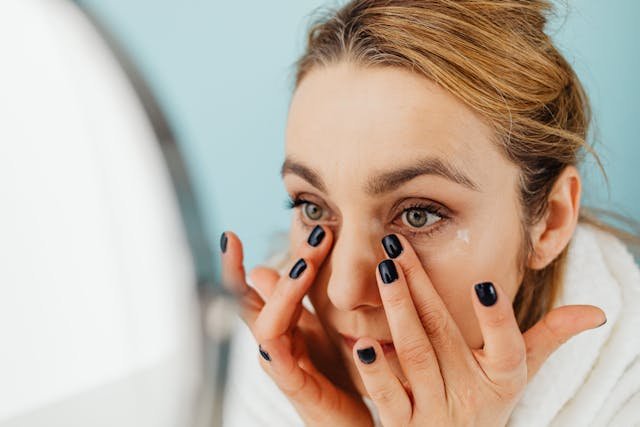
A good moisturiser can often do the job unless you specifically want help with puffiness, dark circles, or fine lines around the eyes.
If you do use one, keep expectations realistic. No cream is removing 15 years of stress and late-night overthinking overnight.
How Often Should You Exfoliate in Your 30s?
Usually one to two times a week is enough.
Over-exfoliating is one of those skincare habits that feels productive until your skin barrier starts protesting. Gentle chemical exfoliants like lactic acid or mandelic acid tend to work well for many people because they smooth the skin without feeling too harsh.
If your skin already feels sensitive, flaky, or irritated, scale back.
Healthy skin is rarely the result of doing the absolute most.
The Best Anti-Ageing Skincare Routine for Your 30s Is the One You’ll Actually Stick To
This is the part people skip over.
Consistency matters more than perfection.
You do not need every trending serum, every celebrity skincare launch, or an LED mask that costs the same as a weekend getaway. A simple routine done consistently will usually outperform an expensive routine you abandon after two weeks.
A balanced anti-ageing skincare routine for your 30s should feel supportive, realistic, and sustainable. Your skincare should fit into your life, not become a second full-time job.
Small Lifestyle Habits That Affect Your Skin More Than You Think
Skincare products help, but your daily habits matter too.
A few things that genuinely make a difference:
- Drinking enough water consistently
- Managing stress levels where possible
- Sleeping properly
- Eating nutrient-rich foods
- Reducing smoking and excessive alcohol intake
- Washing makeup brushes regularly
- Not picking at your skin during emotional support scrolling sessions
None of this has to be perfect. Skin health is built through small habits over time.
Final Thoughts
Your 30s can actually be one of the best times for your skin because you start approaching beauty with more intention and less chaos. You learn what works, what irritates your skin, and what is honestly just marketing with pretty packaging.
A simple routine built around cleansing, hydration, treatment, and sun protection is usually more than enough to keep your skin healthy and glowing.
You do not need flawless skin. You just need skin that feels cared for.
Try simplifying your routine this week and pay attention to how your skin responds. Sometimes less really is more.