
There was a time when I thought “saving money” meant turning into the kind of person who tracks every cent in a spreadsheet and says no to iced coffee like it’s a moral achievement. Honestly, exhausting. I wanted to feel calm about money, not controlled by it.
What actually changed things for me wasn’t strict budgeting. It was building small, budget-friendly habits that quietly made life easier without making me feel deprived. The kind of routines that help you spend less naturally because your life already feels more organised, intentional, and full.
And surprisingly, many of these habits have less to do with money itself and more to do with how you move through your day. Because sometimes the real budget killer is stress, convenience spending, or convincing yourself that ordering takeout “just this once” for the fourth time this week is self-care.
Here are the simple lifestyle shifts that helped me save money without feeling like I was constantly restricting myself.
Romanticising What You Already Have
One of the most underrated ways to spend less is learning how to enjoy your current life before chasing a new one.
I started making my morning coffee in a proper mug instead of a random chipped cup. I rearranged my room instead of shopping for new décor. I lit candles on ordinary evenings. Tiny things, but they changed the atmosphere of my day.
A lot of unnecessary spending comes from feeling emotionally bored. Once your everyday life feels softer and more intentional, you stop needing constant little purchases to create excitement.
And no, this does not mean pretending your problems disappear because you bought eucalyptus stems for the bathroom. We are still living in the real world. But small comforts genuinely help reduce impulsive spending habits.
Why do budget-friendly habits work better than strict budgeting?
Because most people struggle with sustainability, not intelligence.
Strict budgeting often feels emotionally heavy. It can create an all-or-nothing mindset where one “bad” purchase makes you feel like you’ve failed completely. Softer financial routines tend to last longer because they fit naturally into your life.
For example:
- Cooking simple meals you genuinely enjoy
- Creating a weekly reset routine
- Waiting 24 hours before buying non-essential items
- Using what you already own before replacing it
These habits remove pressure while still helping you save money consistently.
That’s the sweet spot.
The “Use It First” Rule
This habit alone changed the way I shop.
Before buying anything new, I ask myself: “Have I fully used what I already have?”
Not in a strict or guilt-trippy way. Just honestly.
I realised I had:
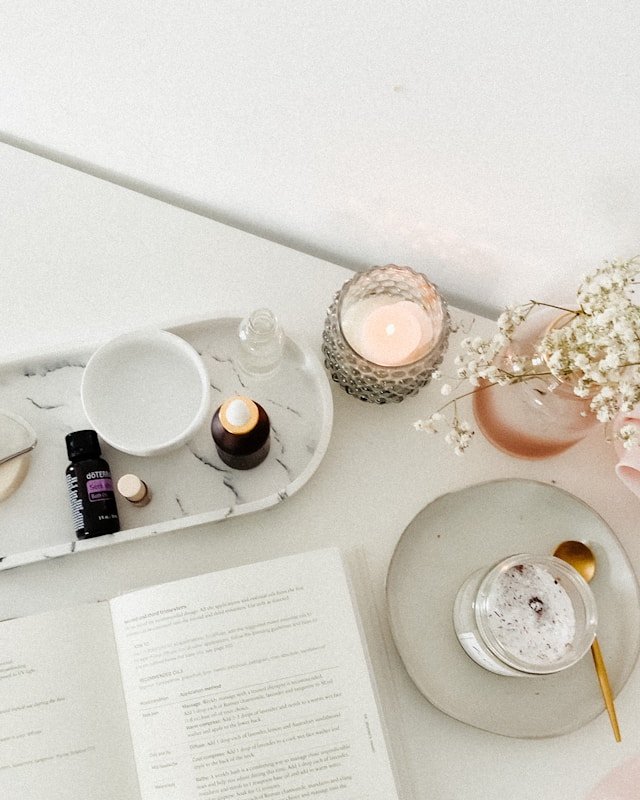
- Half-used skincare products
- Candles hidden in drawers
- Clothes I forgot I owned
- Notebooks with three pages used
- Enough tea to survive a small apocalypse
Now I try to finish or properly enjoy things before replacing them. It makes me more intentional and oddly more grateful too.
Modern life constantly tells us to upgrade. Meanwhile, half of us are buying new things while ignoring perfectly good ones sitting quietly in a cupboard.
Making Home the Default
One of the best lifestyle shifts for saving money is making your home feel somewhere you actually want to be.
When your space feels comforting, you naturally spend less trying to escape it.
I started:
- Keeping simple snacks at home
- Creating cosy evening routines
- Making playlists for different moods
- Tidying small areas daily instead of doing chaotic deep cleans
- Turning ordinary nights into low-effort “soft evenings”
Suddenly, staying in didn’t feel boring. It felt peaceful.
This is especially helpful if you tend to spend emotionally after stressful days. Sometimes the urge to “treat yourself” is actually your nervous system begging for comfort, rest, or stimulation.
A quiet evening and a clean room can genuinely interrupt unnecessary spending spirals. Very annoying information, honestly.
How can you save money without feeling deprived?
The key is replacing, not removing.
Instead of focusing on what you cannot have, focus on creating alternatives that still feel good.
A few examples:
- Homemade iced coffee instead of daily café runs
- Walking for mental clarity instead of impulse shopping
- Hosting cosy catch-ups at home instead of expensive outings
- Curating Pinterest boards before buying new clothes
- Borrowing books or using digital versions before purchasing
The goal is not to eliminate joy. It’s to separate joy from constant spending.
That mindset shift changes everything.
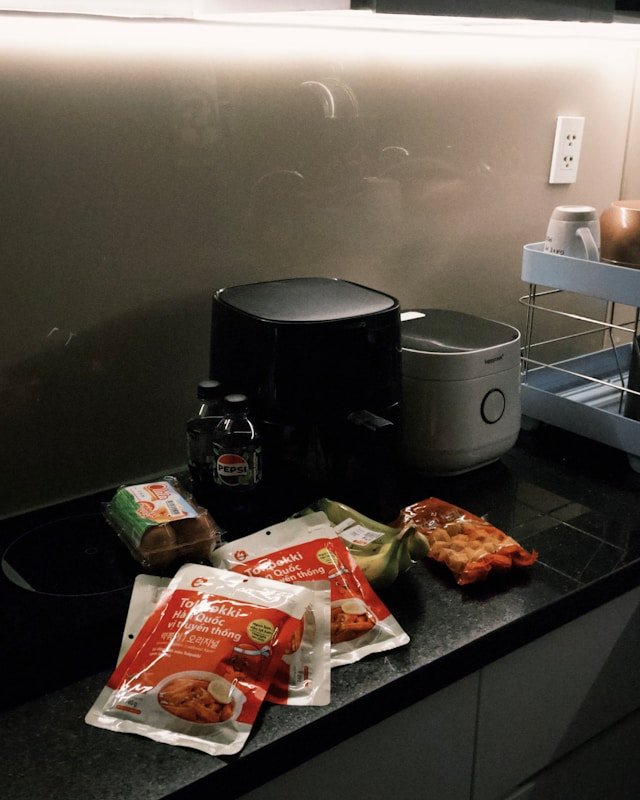
Creating “Low Effort” Meal Systems
I used to think meal prep required glass containers, colour-coded labels, and the energy levels of a wellness influencer at 5am.
Turns out, it can just mean making life easier for Future You.
Simple food systems save an incredible amount of money because they reduce panic spending. You know the kind:
“I’m tired, there’s nothing to eat, let me order something quickly.”
Now I keep:
- Easy freezer meals
- Basic ingredients for quick lunches
- Snacks I actually enjoy
- A few “lazy day” meals ready
Nothing aesthetic or complicated. Just realistic.
One of the most effective budget-friendly habits is reducing decision fatigue. The easier you make daily life, the less likely you are to overspend for convenience.
Do small habits really make a financial difference?
Absolutely. Mostly because they compound quietly over time.
Skipping one expensive takeaway doesn’t change your life overnight. But consistently building calmer routines around food, shopping, and entertainment does add up.
More importantly, these habits improve your relationship with money emotionally. You stop feeling constantly reactive.
There’s a different kind of confidence that comes from knowing your life isn’t dependent on impulse spending to feel enjoyable.
And honestly, peace is underrated.
Curating Your Influence
One thing I had to admit to myself? Some of my spending habits were heavily influenced by what I consumed online.
If your feed constantly shows luxury lifestyles, endless hauls, and “must-have” products, your brain starts normalising constant consumption.
Now I’m more intentional about who I follow. I love creators who focus on:
- Slow living
- Thoughtful routines
- Rewearing outfits
- Realistic wellness
- Affordable beauty and home ideas
You do not need to buy a completely new personality every season. The internet will survive if you skip the trend cycle once in a while.
Final Thoughts
The healthiest financial habits are often the ones that quietly support your life instead of controlling it.
You do not need to become ultra-disciplined overnight. You probably just need softer systems, better routines, and a lifestyle that feels nourishing enough that you stop constantly chasing temporary comfort through spending.
That’s what made the biggest difference for me.
Try one small shift this week and see how it changes your daily rhythm. Sometimes the smallest habits create the calmest kind of stability.