
Decorating with soft colours looks dreamy on Pinterest… until you try it in real life and your space suddenly feels a bit meh. Too beige or too flat. Too “is this even finished?”. If you’ve ever loved the idea of calm, layered neutrals but struggled to make them feel intentional, you’re not alone.
The good news? Learning how to decorate with soft colours isn’t about playing it safe — it’s about layering wisely. Soft colour palettes can feel warm, elegant, and quietly luxurious when done right. The magic is in texture, variation, and subtle contrast.
Let’s break it down in a way that feels inspiring, not overwhelming.
Start With a Soft, Anchoring Base
When figuring out how to decorate with soft colours, always start with a neutral base that grounds the space. Think warm whites, oat milk beige, soft greige, or muted stone shades. These tones create breathing room and let the rest of your decor shine.
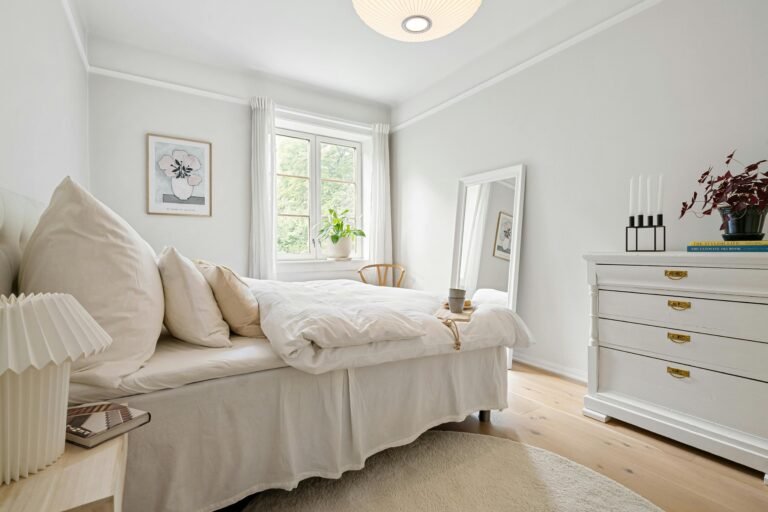
This doesn’t mean plain or boring. A warm white wall paired with linen curtains or a textured rug instantly adds depth.
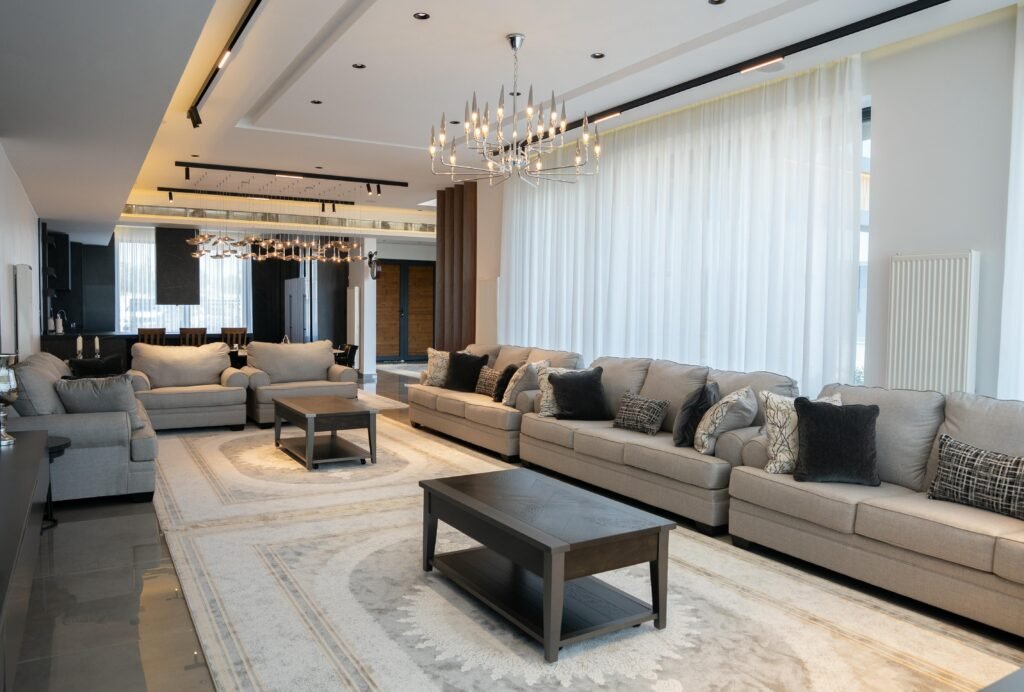
Practical tip: Stick to one main base colour per room to keep everything flowing naturally.
Layer Different Shades Within the Same Colour Family
One of the biggest mistakes people make when learning how to decorate with soft colours is using only one shade throughout a room. That’s how spaces end up looking flat.
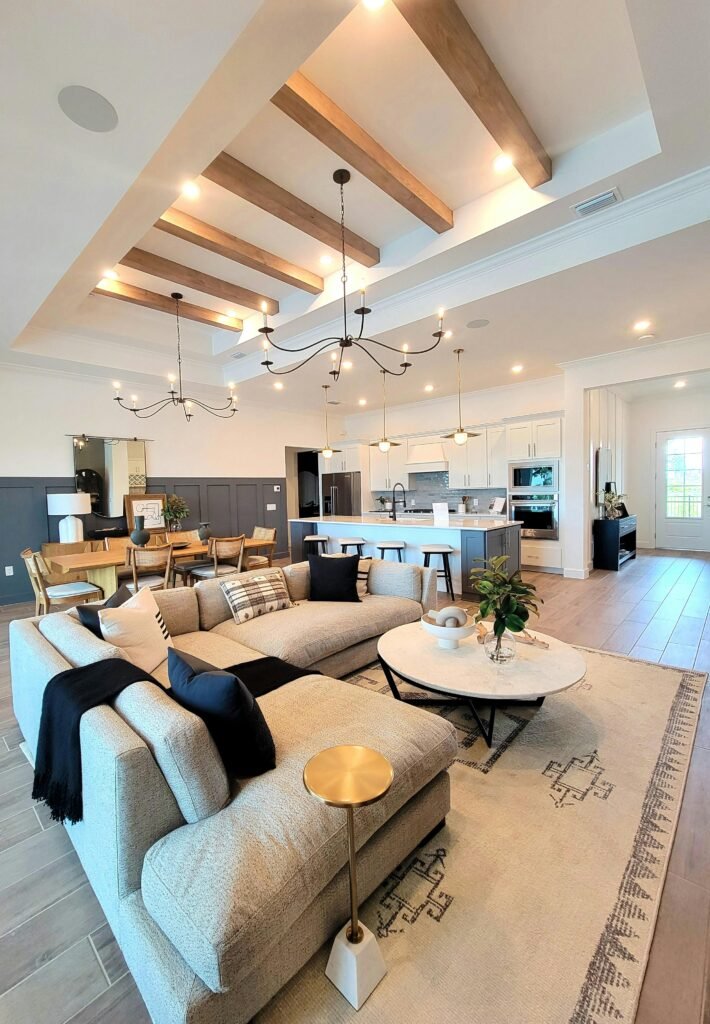
Instead, layer variations of the same colour. For example:
- Cream sofa
- Warm white walls
- Soft sand cushions
- Subtle caramel or taupe accents
This creates depth while keeping the palette cohesive.
Add Texture Before Adding Colour
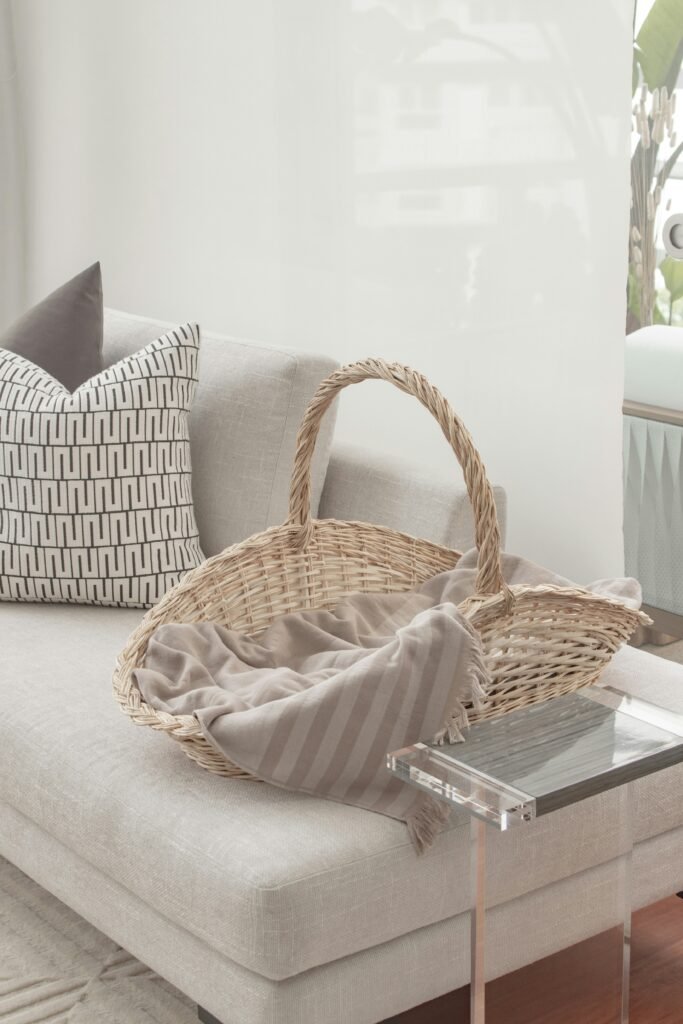
If you’re wondering how to decorate with soft colours without everything blending into one blur, texture is your secret weapon.
Think:
- Bouclé cushions
- Woven baskets
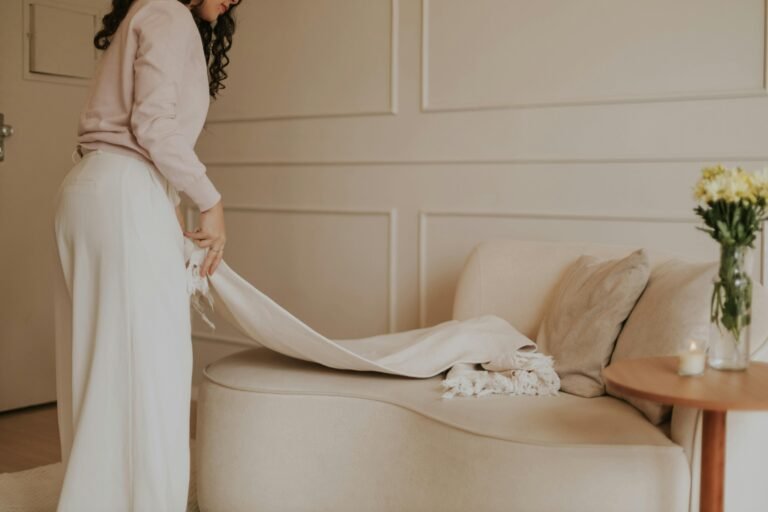
- Linen throws
- Ribbed ceramics
- Natural wood
Texture creates contrast even when colours stay muted. A soft palette with mixed materials feels intentional and lived-in, not bland.
Introduce Contrast Gently (Not Dramatically)
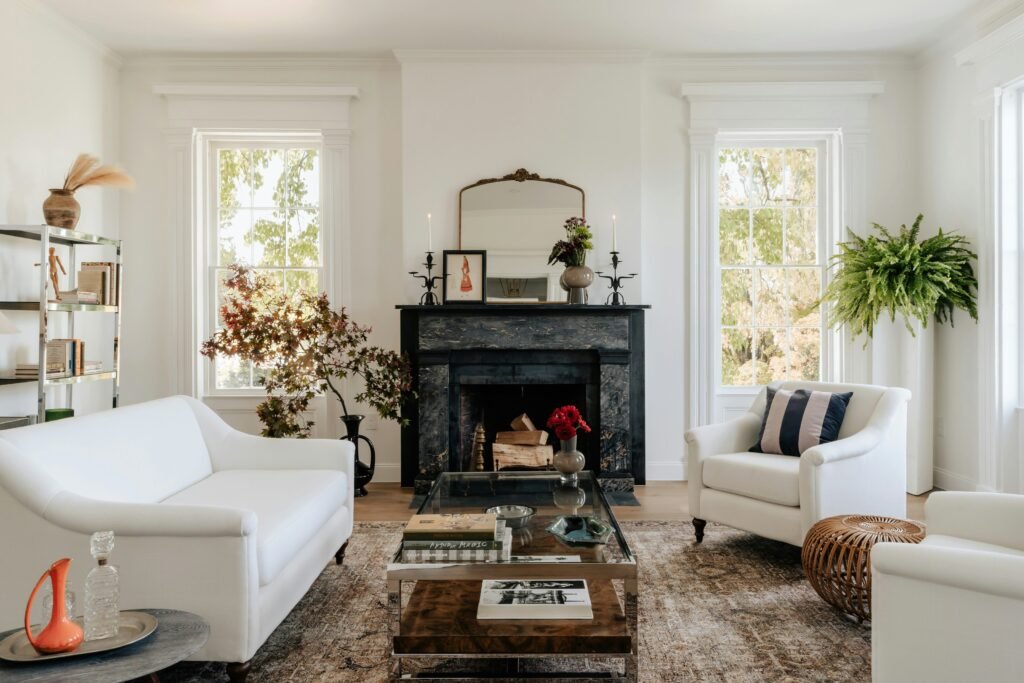
Soft decor doesn’t mean zero contrast. It just means choosing contrast that whispers instead of shouts.
Try:
- Warm wood instead of black metal
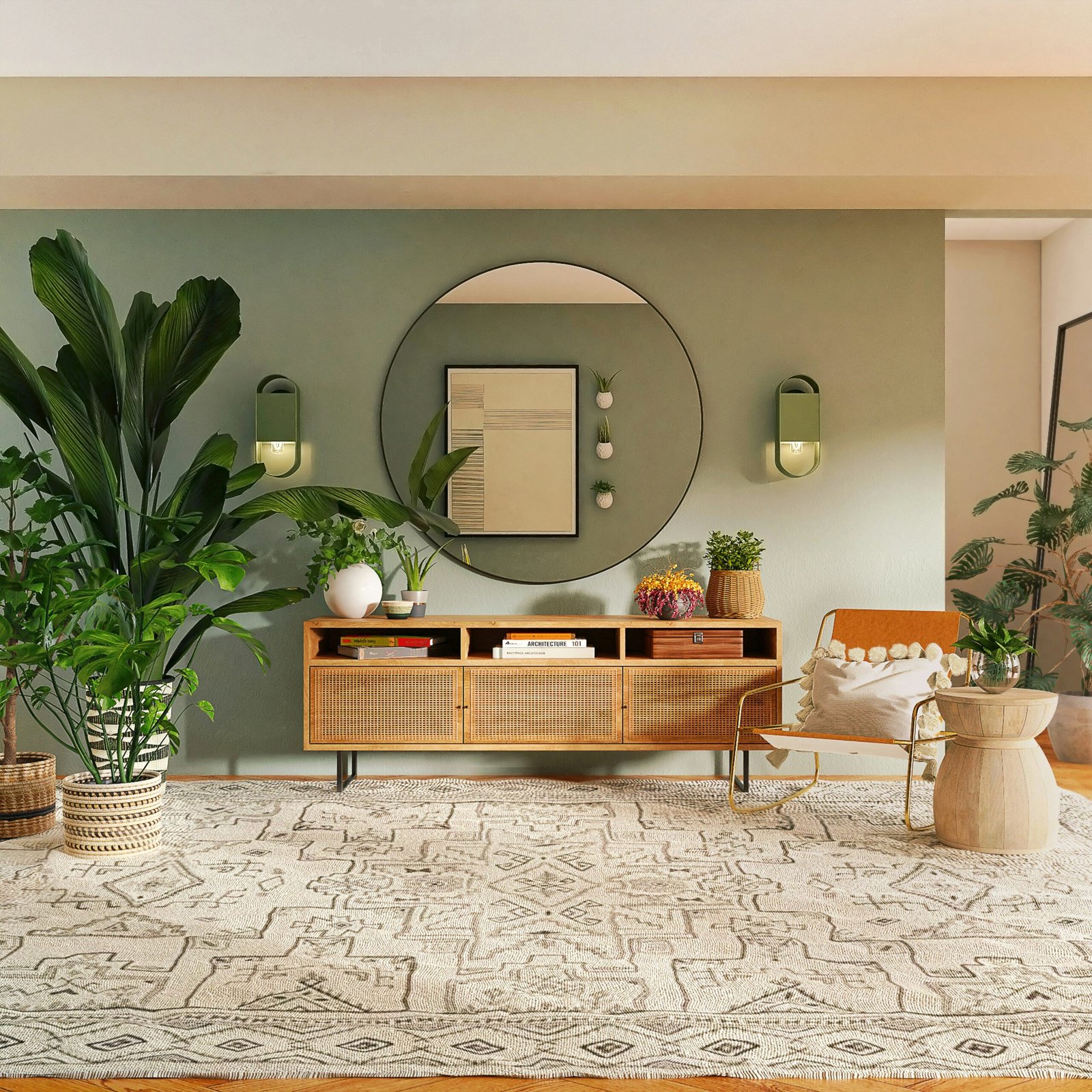
- Muted olive instead of emerald green
- Soft clay tones instead of bright terracotta
This is a key step in mastering how to decorate with soft colours — subtle contrast keeps the space grounded and grown-up.
Use Decor Pieces as Your Colour Accents
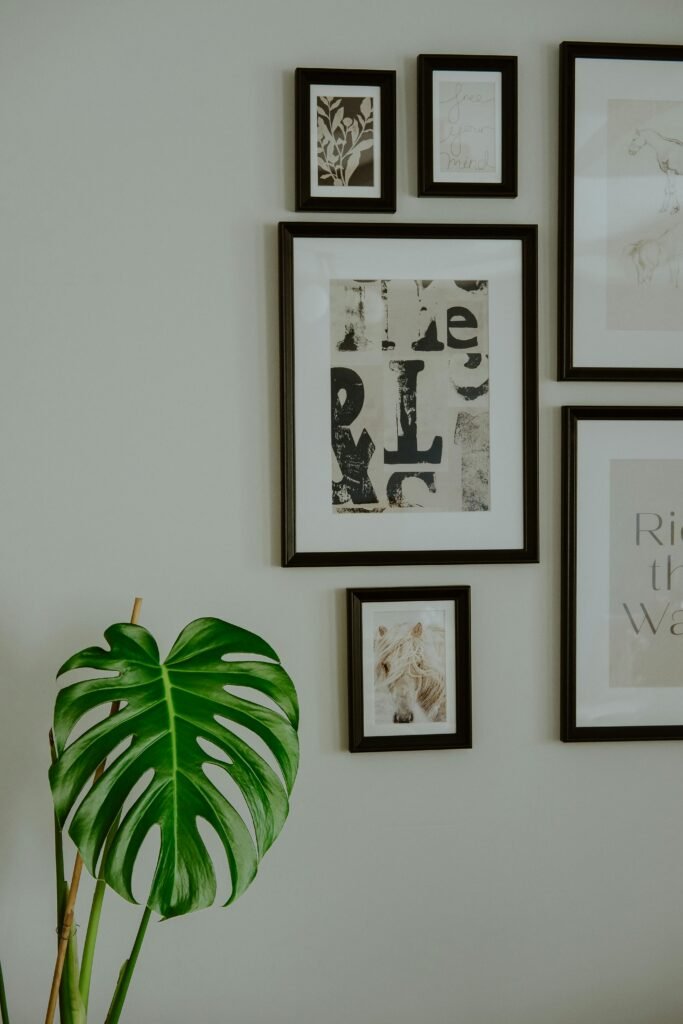
Rather than painting feature walls or buying bold furniture, let smaller pieces carry your colour story. This keeps things flexible and less commitment-heavy (because tastes change, let’s be real).
Think:
- Cushions
- Art prints
- Ceramics
- Vases
- Bed throws
This approach makes how to decorate with soft colours feel playful rather than stressful.
Embrace Natural Light as Part of the Palette
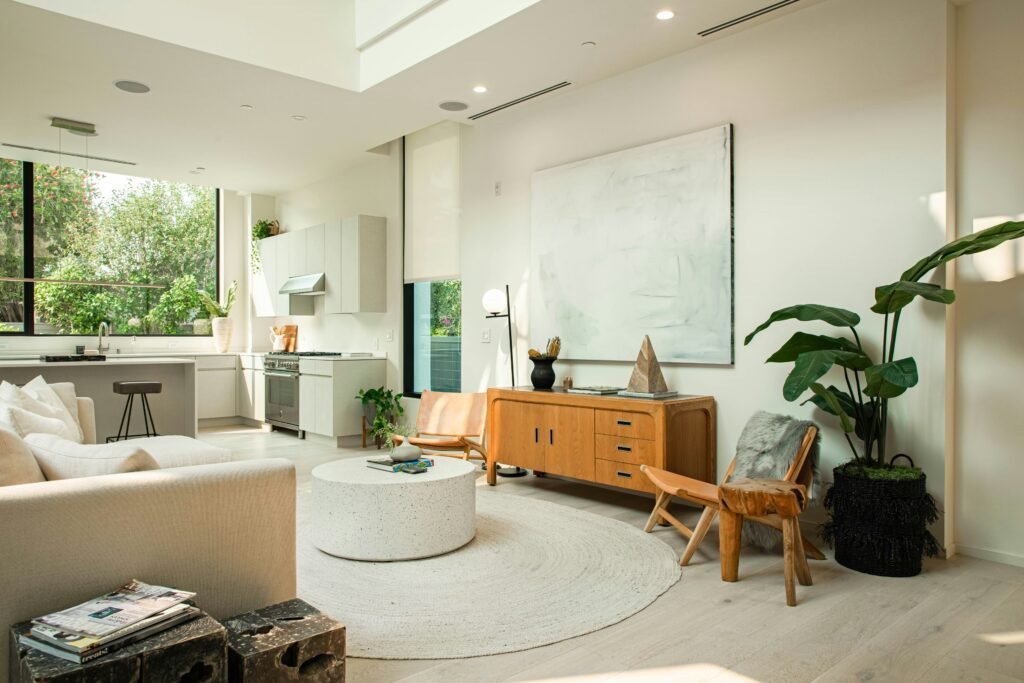
Soft colours come alive in good lighting. Natural light highlights undertones, textures, and layers in ways artificial light just can’t compete with.
If your space gets limited light:
- Lean towards warmer soft tones
- Avoid icy whites or grey-heavy palettes
- Add mirrors to bounce light around
Understanding light is an underrated part of how to decorate with soft colours. Even the prettiest palette can fall flat in the wrong lighting.
Let the Space Feel Calm, Not Perfect
Here’s your permission slip: soft decor doesn’t need to look staged.
A throw slightly draped. A cushion casually leaning. Books stacked instead of styled within an inch of their lives. This softness in arrangement mirrors the softness in colour.
When you approach how to decorate with soft colours as a lifestyle choice — not just an aesthetic — your home naturally starts to feel more peaceful.
Final Thoughts
Decorating with soft, layered colours is less about rules and more about rhythm. Start neutral, layer thoughtfully, play with texture, and let your home breathe. Soft doesn’t mean boring — it means balanced, calming, and quietly confident.
If you’ve been craving a space that feels gentle on your nervous system but still stylish, this might be your sign to try one small change today.
Try one tip from this guide today — or read the rest of the blog for more Home Flow inspiration.